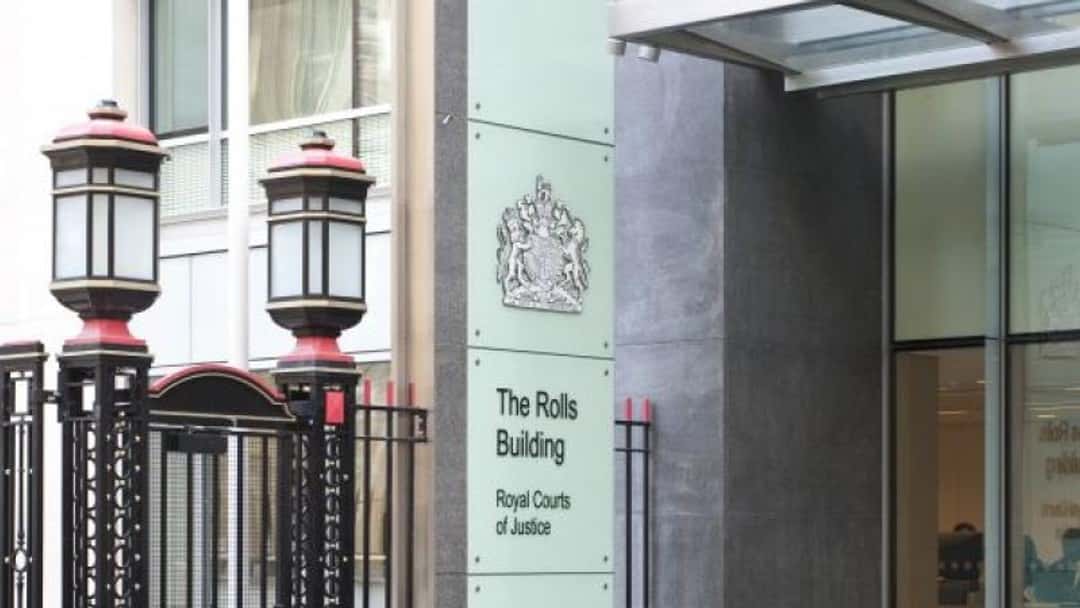
Domestic killers will face longer sentences
A new legal change will see domestic murderers face a 25-year sentencing starting point for their crimes
In a significant move towards justice for victims, the Deputy Prime Minister has announced that individuals who kill their partners or ex-partners will now face a starting point of 25 years for sentencing, marking an important shift in how domestic murders are treated within the legal system. Previously, the standard for such offences stood at only 15 years due to the perception that domestic killings often occurred in familiar settings where weapons were readily available. This adjustment aims to align domestic murder penalties with those for other types of homicide committed with a weapon taken to the scene, recognising the serious nature of these crimes.
Deputy Prime Minister and Justice Secretary, David Lammy, stated that the law has historically failed to protect women from violence, noting that "for centuries, the law failed to protect women from violence at the hands of their partner – whether from marital rape or from abuse behind closed doors." He highlighted that this updated legal framework is vital in ensuring those who perpetrate such heinous acts face consequences that reflect the profound damage inflicted upon victims and their families. "This change closes a long overdue gap and will ensure those who murder their partner face sentences that better reflect the devastating harm they cause," he added.
The initiative is part of the Government’s broader commitment to reduce violence against women and girls and to ensure that justice is served swiftly. Statistics show that more than a fifth of all murders fall within the domestic context, with women primarily bearing the brunt of these violent acts. To further safeguard victims in all circumstances, provisions will remain in place whereby individuals who kill an abuser will maintain the previous 15-year starting point.
This change is set to be implemented following consultation with the Sentencing Council, with the intention to apply to future cases rather than retroactively. It will complement ongoing efforts, including a review of homicide laws and sentencing by the Law Commission, aimed at resolving existing disparities within the legal framework by 2028. Following this announcement, campaigners such as Carole Gould, Julie Devey, and Elaine Newborough, who have long fought for this cause, were duly recognised for their efforts, celebrating a pivotal moment for women's rights and justice in the UK.
 Copyright & permissions