Domestic & General v Premier Protect Holdings: High Court finds two men in contempt over warranty scam
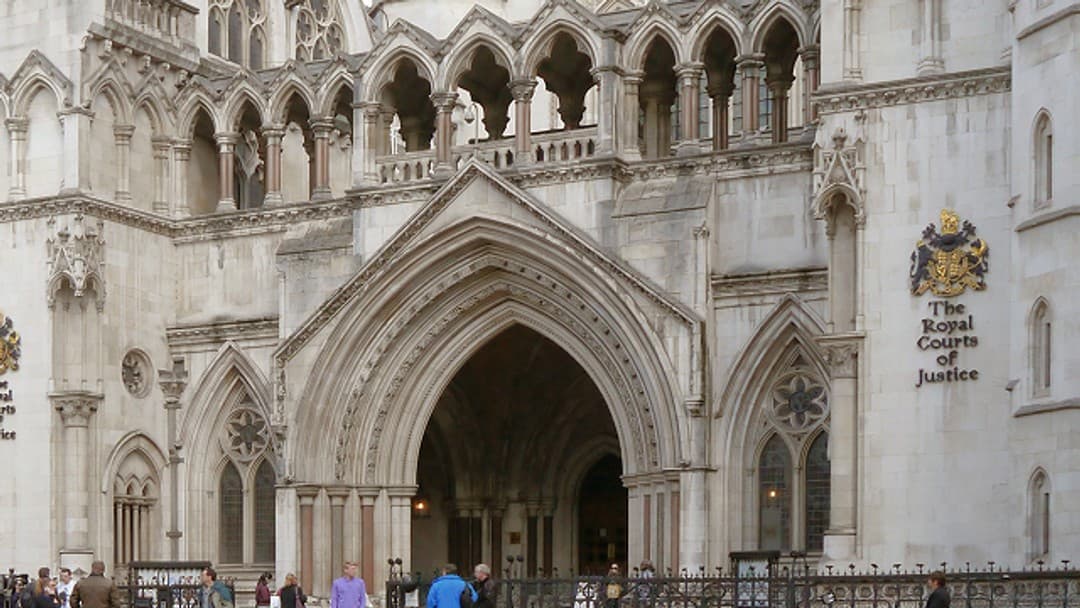
High Court finds two businessmen in contempt for false evidence in warranty scam case.
The High Court has found two men in contempt of court after ruling that they gave knowingly false evidence, verified by statements of truth, in litigation over a cold-calling operation that sold unnecessary appliance warranty cover to consumers.
In Domestic & General Group Limited v Premier Protect Holdings Ltd [2026] EWHC 2084 (KB), Mr Justice Sweeting determined contempt applications brought by the domestic appliance insurer against Belal Ali and Mohamed Anoir Dhimi, following an earlier liability trial before Lavender J in which the claimants succeeded in establishing that a succession of businesses had made fraudulent misrepresentations to persuade customers that callers were connected with their existing cover provider.
The claimants' case throughout was that the underlying operation did not consist of genuinely separate enterprises, but survived successive changes of corporate identity, moving from Premier Protect Holdings Ltd and Home Protect 365 Ltd, controlled by Abdelhak Akayour, to Apex Assure Ltd, of which Mr Ali was sole director, and later to UK Service Plan Ltd, established by Mr Dhimi. The judge accepted the claimants' characterisation of this pattern, describing UKSP as the continuation of substantially the same business under a different name rather than an independent venture.
Central to the findings against Mr Ali was evidence obtained when Trading Standards executed a search warrant at business premises in Brighton in May 2021, following an investigation known as Operation Steel Seal. Investigators recovered sales scripts bearing the Apex Assure name, employee questionnaires describing the use of scripts on calls, and a computer server containing documentation linking Apex Assure to several other trading entities. That material directly contradicted sworn statements by Mr Ali asserting that Apex Assure had never made outbound sales calls or created any scripts, relying instead entirely on independent offshore call centres. The judge found those statements false and was sure that Mr Ali did not honestly believe them to be true, given his role as sole director and his presence at the premises during the search.
The judge also rejected Mr Ali's argument that the contempt application concerning breach of an injunction obtained in January 2021 was confined to an allegation of deliberate encouragement of a breach, holding that the pleaded case was broad enough to encompass the separate basis, recognised in the authorities, that a director who knows of an order binding his company may be liable in contempt for failing to take reasonable steps to secure compliance with it. On the evidence, the judge found that the prohibited conduct continued after the injunction, that Mr Ali knew of this, and that he either participated in or failed to prevent the continuing breach.
In relation to Mr Dhimi, the judge found that statements minimising his relationship with Mr Ali and denying meaningful connections between UKSP and the earlier businesses were false, pointing to shared personnel, shared premises, common documentation templates and financial links, including payments made to entities associated with Mr Akayour. Neither defendant gave oral evidence at the hearing, and the judge held that while silence could not itself establish contempt, it strengthened conclusions otherwise supported by the documentary record once a case to answer had been established.
The judge was careful to note that he had reached his own conclusions on the evidence before him, applying the criminal standard of proof throughout, rather than treating the earlier findings of Lavender J as binding. Having done so, he found that both men had committed contempt, and adjourned the question of sanction for further argument.
 Copyright & permissions