Dexia SA v Comune di Torino: English court upholds swap contracts after Turin's two-decade hedging strategy unravelled by low rates
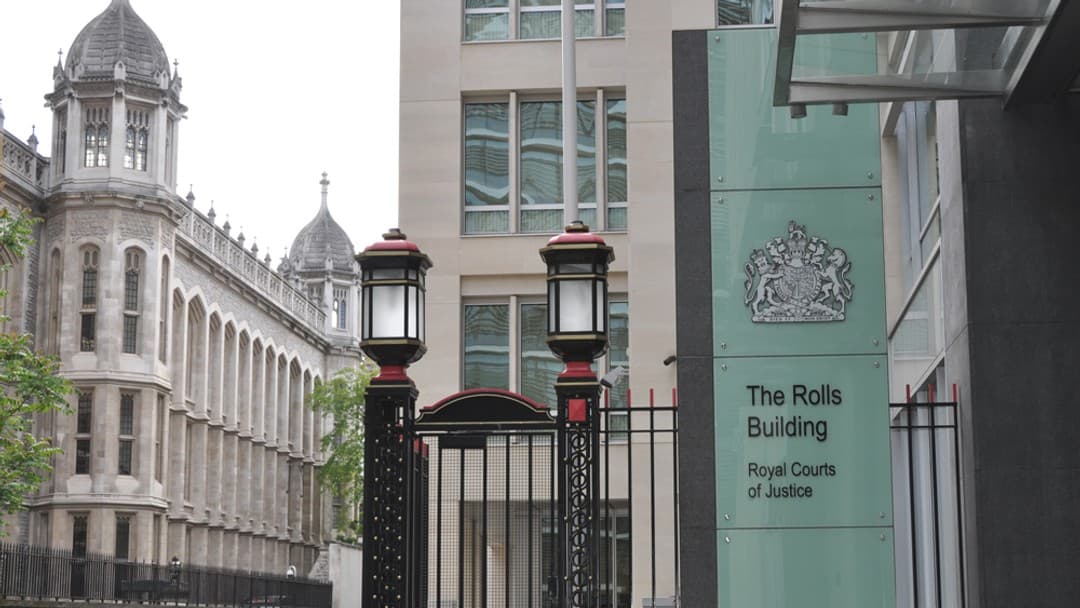
The Commercial Court grants sweeping declaratory relief as Turin's challenge to interest rate swaps fails in full.
The city of Turin took out an interest rate swap in 2001 to protect itself against rising borrowing costs. Interest rates fell instead, for over a decade. Turin is now seeking to recover roughly €133 million by arguing in Italian courts that the swaps were invalid, unlawfully structured, and obtained without proper advice. In Dexia SA v Comune di Torino [2026] EWHC 1401 (Comm), Mr Justice Andrew Baker rejected each of those arguments in full, granting Dexia comprehensive declaratory relief after a trial at which Turin chose not to appear.
The case sits within a well-established line of Italian local authority swap litigation in the English Commercial Court. Since the 2008 financial crisis delivered a decade of ultra-low interest rates, several Italian municipalities have sought to unpick derivatives entered into during the early 2000s, pursuing arguments rooted in Italian constitutional law, financial regulation, and civil code validity requirements. The English courts have granted relief to the bank claimants in every case to date except one, which was itself overturned on appeal. Dexia v Torino follows that line, but it also benefits from two Italian Supreme Court decisions handed down as recently as February 2026, which significantly clarified and limited the most controversial earlier ruling in this field.
Turin's absence from proceedings was conspicuous. It had filed no defence, made no application to set aside the earlier summary judgement confirming breach of the exclusive jurisdiction clause, and sent no representatives to trial, despite being a sophisticated authority capable of affording legal representation and despite having been kept fully informed throughout. Andrew Baker J found the inference irresistible that this was a conscious tactical choice: ignore the English proceedings and push the Italian courts to accept jurisdiction instead. The judge proceeded in Turin's absence on that basis.
On the substance, the judgement works through Turin's case systematically. The core argument in Italy rests on the so-called Cattolica doctrine, a 2020 Italian Supreme Court decision that appeared to require disclosure of a swap's initial mark-to-market value, implicit costs, and probability scenarios as a condition of the contract's validity. Andrew Baker J accepted expert evidence that the two February 2026 Supreme Court decisions have now clarified that this requirement applies only to complex aleatory contracts, not to straightforward hedges of existing underlying debt. Turin's swaps, by contrast, were a simple and transparent substitution of the variable interest rate on its municipal bonds for a collar and later a fixed rate, with a perfect financial correlation between the derivatives and the underlying debt. They were not a speculation. They did not involve impermissible indebtedness. They were authorised by the appropriate municipal bodies and ratified by twenty years of annual budget approvals without qualification.
The supposed failure to disclose the opening mark-to-market position also fell away. At the time the 2006 transactions were concluded, Italian financial regulation did not require such disclosure for professional investors, which Turin was, and Turin had in any event been supplied with the cashflow data needed to perform the calculation itself. The argument that there was an advisory contract carrying additional duties of care found no traction either: Turin ran a competitive tender, appointed Lazard as its own independent financial adviser, and the ISDA Master Agreement expressly stated that Dexia was not acting as adviser.
What makes this case worth noting beyond the Italian swaps line is the broader point about tactical non-engagement with English proceedings. Turin's strategy of ignoring the English court while contesting jurisdiction in Italy has generated substantial costs liability and, now, a comprehensive package of final declarations that Dexia can deploy in any future Italian enforcement proceedings. The judgement also confirms that a defendant's deliberate and informed absence from trial is a waiver of any right to participate, and that the English court will proceed to determine the merits rather than wait indefinitely for a defendant who has made clear it will not come.
Turin's attempt to rewrite the economics of its debt management strategy, two decades after the fact, has not survived contact with a court that was prepared to examine the evidence.
 Copyright & permissions