Death certification reforms improve mortality data
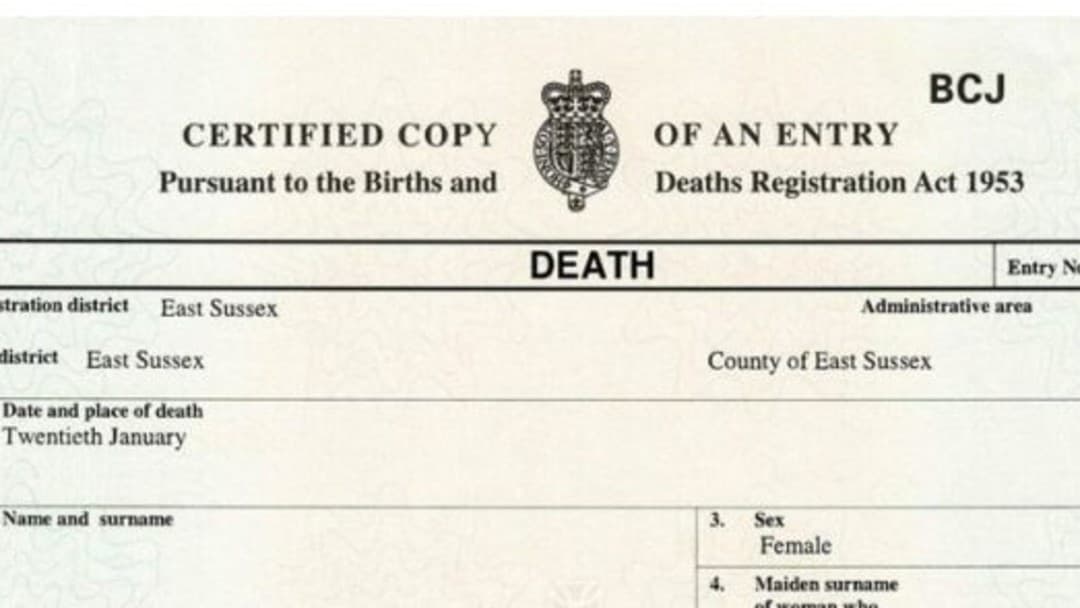
Two years after reforming death certification, insights reveal better mortality data collection and quality enhancements
It’s been over two years since the major reform of death certification in England and Wales, and the impact on mortality statistics is becoming clearer. The significant changes initiated in September 2024 required all deaths not referred to a coroner to undergo a medical examiner’s independent scrutiny. This shift aims to improve the quality of collected data on deceased individuals, including their pregnancy status and ethnicity.
David Mais, Head of Mortality Statistics at the ONS, notes, “These reforms represent a significant change to how deaths are certified.” The analysis of the changes took place through three articles published by the Office for National Statistics (ONS), prompting a closer look at the identification of trends stemming from the new regulations.
Before reform, a death certificate was often prepared based on the report of the attending medical practitioner. This approach lacked independent scrutiny, leaving room for significant issues to go unchecked, as highlighted by historical cases. Notably, the notorious Harold Shipman case underscored the potential risks associated with a lack of oversight. The new framework seeks to ensure that all deaths are reviewed and aims to enhance user experience for bereaved families while improving data quality.
Key changes observed post-reform included the addition of space for further information regarding the cause of death and new data on pregnancy and ethnicity. A comparison made between the last full data year before reform and the first complete year afterward indicated changes in registration times. In early 2025, the average time for registering doctor-certified deaths jumped from 7 days in 2023 to 10 in England and 14 in Wales, reflecting adjustment to the new processes. Yet, by 2026, times stabilised to 7 days in England and 9 in Wales, indicating that the system has begun to normalise.
Interestingly, although the number of referrals to coroners has decreased, this points to a reduction in unnecessary inquests. As of 2025, cases of unknown or uncertified deaths dramatically dropped from 13,676 in 2023 to only 4. This positive trend indicates a tightening of the certification process enhancing reliability in reported mortality statistics.
Further scrutiny into data quality revealed that the prevalence of ‘ill-defined’ causes of death had remained consistent when comparing statistics before and after reform. This suggests effective certification practices were upheld even with the introduction of new data elements.
The new data concerning pregnancy has shown promising results, demonstrating that relevant information is increasingly recorded accurately. The ongoing assessment of mortality data relating to ethnicity is equally significant; as the ONS ensures that improved data quality will help identify population-level risks and disparities.
Moving forward, the integration of ethnicity and pregnancy data could yield valuable insights into public health trends. The ONS remains committed to continuously refining these processes to further enhance data quality and expand their utility in mortality statistics. The trajectory established by these reforms not only signifies a necessary evolution in death certification but also enhances the scope for impactful health research and analysis.
 Copyright & permissions