DBLP Sea Cow v Steffensen: maximum two-year committal for contempt over Rezolve share proceeds
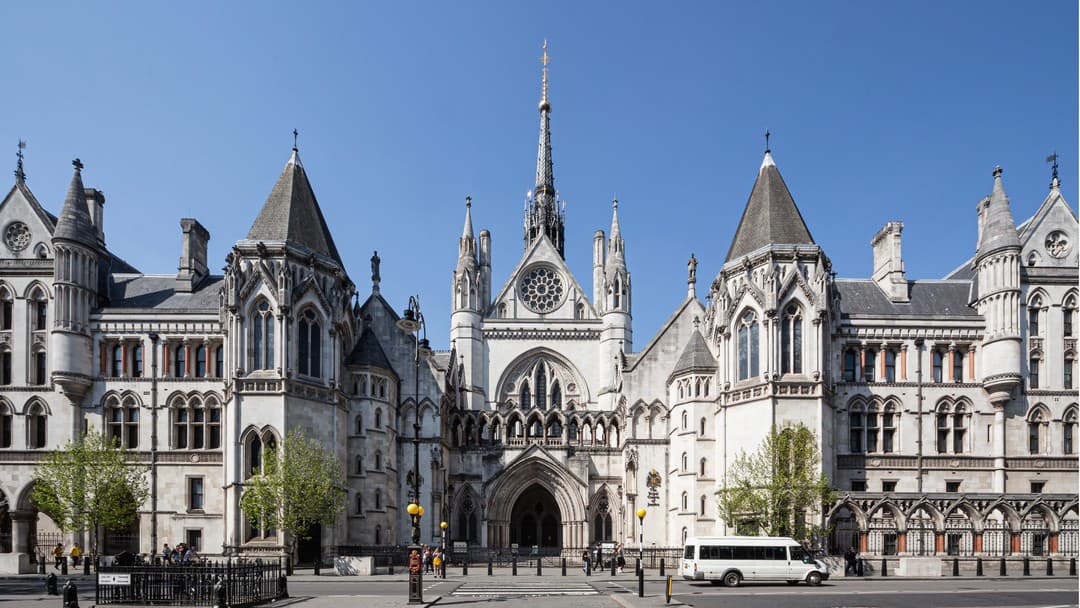
Mellor J imposes maximum sentence for deliberate, continuing refusal to disclose share sale proceeds.
The High Court has imposed the maximum two-year term of imprisonment for contempt on a defendant who refused across four successive orders to disclose the whereabouts of proceeds from the sale of shares he held on trust, describing his attitude to the court as scornful, insolent and contumelious.
In DBLP Sea Cow Limited v Lars Steffensen [2026] EWHC 1735 (Ch), handed down remotely on 9 July 2026, Mr Justice Mellor determined liability and sentence in the defendant's absence. David Reade KC and Alexander Halban appeared for the claimant, instructed by Winston Taylor International. The defendant was neither present nor represented.
Background
The proceedings follow the judgement of Mr Rainey KC, sitting as a deputy judge, at [2026] EWHC 281 (Ch). DBLP, owned by Daniel Wagner, founder of the NASDAQ-listed AI company Rezolve, transferred 2.5 million Rezolve shares to Mr Steffensen under a share purchase agreement in May 2025. He held them on trust pending payment. He never paid, sold the shares in tranches between May and September 2025, and relied on a backdated sham version of the agreement to satisfy his broker. Summary judgement followed for $7,125,000. Enforcement has so far recovered £119.
Four orders required disclosure of the proceeds. Rajah J granted a proprietary injunction in October 2025 requiring an affidavit identifying all proprietary assets. Mellor J made an information order later that month after finding a deliberate failure to comply. Sir Anthony Mann made a debarring order in November, observing that the information lay at the heart of the case and that the defendant would face immediate imprisonment on a committal application. Mr Rainey KC granted a post-judgement injunction in the same terms as the first.
Mr Steffensen filed two affidavits, each acknowledging the order under which it was sworn, each apologising to the court, and each declining to identify recipients or bank details. He cited concerns that Mr Wagner would harass third parties and disrupt his banking relationships. Having had that explanation rejected once, he repeated it verbatim. He filed nothing at all under the third and fourth orders.
Proceeding in absence
Applying the checklist in Sanchez v Oboz [2015] EWHC 235 (Fam), Mellor J proceeded to determine liability and sentence without the defendant. Service through Farrer & Co, on the record throughout, was effective under CPR 81.5(2). Nearly three months' notice had been given. No reason for non-attendance was advanced, and correspondence showed the solicitors had taken instructions on the consequences of absence.
Personal service of the first three orders was dispensed with retrospectively, as Business Mortgage Finance 4 Plc v Hussain [2022] EWCA Civ 1264 permits where actual knowledge is established. The affidavits, counsel's agreement to each minute of order, and concessions made at successive hearings put knowledge beyond argument. Attempts at personal service in related bankruptcy proceedings had met aggressive and expletive language directed at a trainee solicitor.
Sentence
Applying Masri, Varma v Atkinson and Attorney General v Crosland, the judge was sure of contempt on all four orders. Intention to breach is not required for liability, but he found it proved to the criminal standard and relevant to penalty. Mr Steffensen had invoked the court's powers to obtain disclosure from DBLP at the very hearing where he defied the order made against him, choosing when to respect court orders and when to flout them.
The breaches formed a continuation of the strategy identified in the earlier judgement: to appropriate the shares and their proceeds. A fine would be pointless given unpaid costs orders. Following JSC BTA Bank v Solodchenko (No 2) and FCA v McKendrick, where a continuing failure to disclose may warrant a sentence at or near the maximum, Mellor J imposed two years, to run from arrest or surrender to the Tipstaff.
He declined to suspend, noting that belated compliance may now be an empty gesture, and declined to divide the term between punitive and coercive elements. The four contempts were treated as a single continuous course of conduct. Indemnity costs of £85,000 were summarily assessed, payable within fourteen days. The defendant may appeal as of right and remains at liberty to apply to purge.
 Copyright & permissions







.jpg&w=3840&q=60)