Darren Osment v R: Court of Appeal upholds murder conviction despite disclosure failure
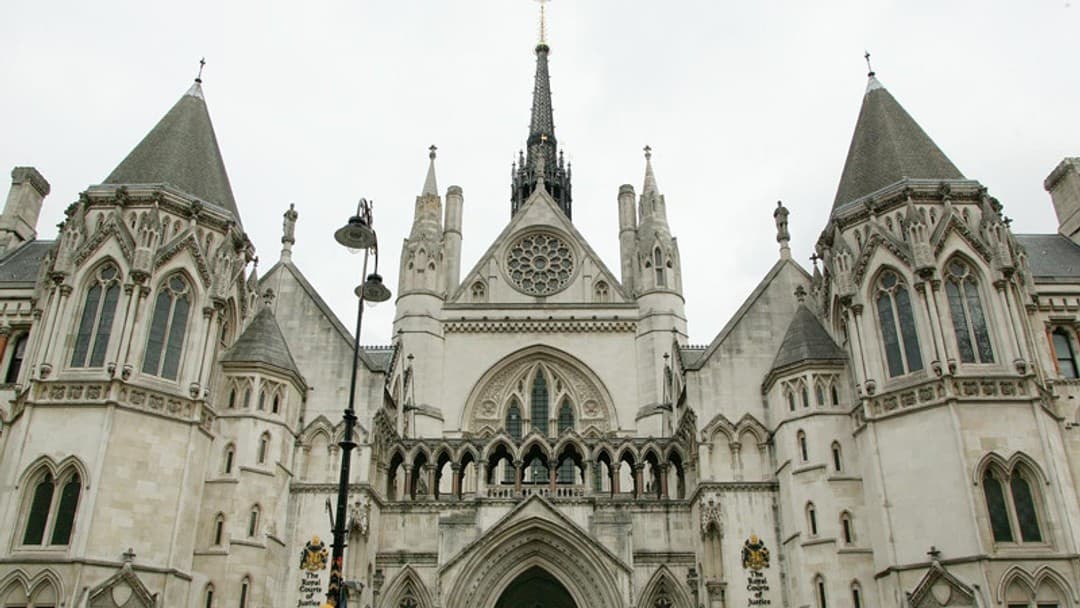
Court of Appeal refuses appeal over undercover confessions and non-disclosure in Bristol murder case.
The Court of Appeal Criminal Division has dismissed an appeal against conviction brought by Darren Osment, who was found guilty by majority verdict at Bristol Crown Court in December 2023 of murdering Claire Holland, whose body has never been recovered. Osment, convicted following a trial before Mrs Justice Cutts, was sentenced to life imprisonment with a minimum term of 20 years.
Ms Holland was last seen leaving a Bristol public house at closing time in June 2012, having told several people that evening that she intended to meet Osment, the father of one of her children, to discuss arrangements for their son. The prosecution case rested heavily on a series of admissions Osment was said to have made to various people over the following decade, including acquaintances, a 999 call operator, an undercover police officer deployed between 2020 and 2022, and a fellow prisoner while on remand. Osment denied involvement throughout, telling the jury that his various statements were untrue and made while drunk, in an effort to appear tougher than he was.
Leave to appeal was initially granted on a single ground concerning a disclosure failure, with four further grounds refused by the single judge and renewed before the full court. The renewed grounds challenged the trial judge's decisions to admit the undercover officer's evidence under sections 76 and 78 of the Police and Criminal Evidence Act 1984, and to exclude expert psychological evidence from three witnesses instructed by the defence, including Professor Gisli Gudjonsson.
The court upheld the trial judge's rulings on each of these points. On the undercover evidence, it found the judge had properly assessed Osment's vulnerabilities, including alcohol dependency and related depression and anxiety, against the whole of his character and conduct during the operation, and had been entitled to conclude he was not the frail or exploited figure the defence portrayed. On the expert evidence, the court agreed that Professor Gudjonsson's proposed evidence, based on a paper review rather than any examination of Osment, either duplicated evidence already given by clinicians who had assessed him directly or intruded on questions properly left to the jury. The same reasoning applied to evidence from two academic psychologists whose report the defence had sought to introduce at trial.
The final ground concerned the prosecution's admitted failure to disclose, before trial, that a man present in the pub on the night Ms Holland disappeared, and known to have bought her a drink, had subsequently been convicted of rape and attempted rape in an unrelated incident nearby some months later. The Crown accepted the material should have been disclosed but argued it would not have met the threshold for admission as bad character evidence of a non-defendant under section 100 of the Criminal Justice Act 2003. The Court of Appeal agreed, finding the circumstances of the later offence too dissimilar to Ms Holland's disappearance to carry substantial probative value, particularly given the weight of other evidence, including Osment's repeated admissions over many years, evidence that Ms Holland had arranged to meet him that night, and evidence of his propensity for violence towards women with whom he had been in a relationship.
Concluding that the fresh evidence would not have been admissible and afforded no ground for allowing the appeal, the court declined to receive it, dismissed the renewed applications for leave on grounds one to four, and dismissed the appeal in its entirety.
 Copyright & permissions







.jpg&w=3840&q=60)