LoginSubscribe Now
Follow Us
Sign up to our free newsletter
Solicitors Journal LogoInforming the legal profession since 1856

Find the knowledge you need from the SJ library of over 20,000 legal articles

Search now
Solicitors Journal Logo
  • Legal News
  • Opinion
  • Features
  • Practice Notes
  • Business
  • International
  • Court Reports
  • AI Search
  • Digital Edition
  • Subscription Options
  • Advertise with Us
    • About Us
    • Contact Us
    • FAQ
    • Guide to Authors
Solicitors Journal

Informing the legal profession since 1856.

Follow us

Topics

  • Legal News
  • Opinion
  • Features
  • Practice Notes
  • Business
  • International
  • Court Reports

About

  • About Us
  • Contact Us
  • Advertise with Us
  • FAQ
  • Guide to Authors

Subscribe

  • Subscription Options
  • Digital Edition
  • Free Newsletter

Editorial

editorial@solicitorsjournal.com+44 (0)1223 750 755

Subscriptions

subscriptions@solicitorsjournal.com+44 (0)1223 750 755

Advertising

Advertise with usadvertising@solicitorsjournal.com+44 (0)1223 750 755

© 2026 Solicitors Journal in partnership with the International In-house Counsel Journal

ISSN 0038-1047  ·  Images: Freepix, Unsplash and by permission of the authors

Terms and ConditionsCookie PolicyPrivacy PolicyPLS Clear logoCopyright & permissions
John CaddiesJohn Caddies

Partner, Hill Dickinson

Quotation Marks
Such incidents have resulted in cruise line operators facing death and personal injury claims and allegations of negligence from infected passengers

Cruise ship outbreaks and passenger liability claims

18 Jun 2026International
Share:
Cruise ship outbreaks and passenger liability claims

By John Caddies

The legal framework governing cruise ship passenger claims creates complex jurisdictional exposure for operators, particularly where outbreaks engage questions of duty of care and conflict between port state control and international health regulations

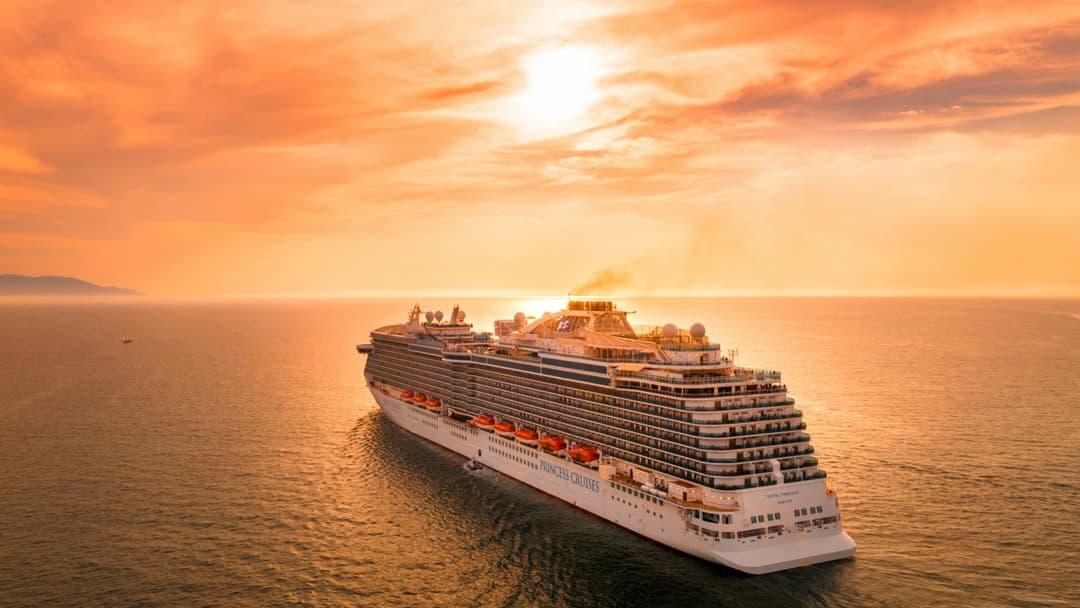
The much-publicised hantavirus outbreak, during April and May 2026, onboard the Dutch-flagged expedition cruise ship MV Hondius, after it had set sail from South Argentina with around 150 passengers of many different nationalities, raised similar concerns to Covid-19 and norovirus outbreaks onboard passenger cruise liners. 

Such incidents have resulted in cruise line operators facing death and personal injury claims and allegations of negligence from infected passengers. The MV Hondius outbreak resulted in 11 hantavirus cases, including 3 passenger deaths. It also drew renewed attention to the potential risks of a global outbreak extending beyond immediate concerns regarding passenger safety for those onboard. 

In fact, the vessel was anchored off Cape Verde because the local health authorities refused to allow the vessel to enter port. Ultimately, and after an initial refusal from the local authorities in Tenerife, Canary Islands, the Spanish Government allowed the vessel to dock at Tenerife so that the passengers could disembark and be repatriated. 

Passenger claims

Passenger claims against cruise liners can involve complex jurisdictional issues since the incidents complained of generally occur in international waters, the vessel may be flagged in one jurisdiction but owned or operated by a company in a different jurisdiction and the passengers and crew can originate from a variety of nations. 

In the case of the MV Hondius, the vessel is Dutch flagged, the owner and operator is Dutch, two of the deceased were Dutch, the other deceased was German, and the remaining passengers were of 23 different nationalities. It is also suspected that the hantavirus was first contracted by the Dutch couple travelling through Argentina, Chile and Uruguay, although this is not definitive. 

In such situations, the rights of passengers (or their estate) to claim compensation are governed by international and/or EU regulations.

The applicable international convention is the International Maritime Organisation’s Athens Convention relating to the Carriage of Passengers and their Luggage by Sea 1974 (Athens Convention), as amended by the Athens Protocol of 2002 (2002 Protocol), which came into force in April 2014.

The Athens Convention sets out a comprehensive legal mechanism for passengers to claim damages for death, personal injury or loss of or damage to luggage suffered during international carriage at sea. 

Additionally, the EU Passenger Liability Regulation 392/2009 (PLR) entered into force in 2012 in all EU member states. The PLR largely incorporates the provisions of the 2002 Protocol Convention but with some additions. Post Brexit, the PLR has been retained into English law.

The PLR applies to the international carriage of passengers or luggage by a ship if a Member State / the UK is involved in one of the following capacities: 

  1. the flag state of the ship;

  2. the state where the relevant contract of carriage has been made; or

  3. the place of departure or destination according to the contract of carriage. 

Where the PLR does not apply, the Athens Convention / 2002 Protocol will apply in the same circumstances stated above in relation to the PLR, as long as the country involved is a signatory.

Given that the flag state of the MV Hondius is the Netherlands and it was undertaking international carriage with place of departure and destination being in different states, then any claims would come within the scope of the PLR.

Article 17 provides that a claim at the option of the Claimant may be brought either 

  1. before the court at the defendant’s permanent residence or principal place of business,

  2. the court at the place of departure or destination under the contract of carriage, 

  3. the court of the claimant’s permanent residence (provided that the defendant has a place of business and is subject to jurisdiction in that state),

  4. the court of the state where the contract of carriage was made, again, provided that the defendant has a place of business and is subject to jurisdiction in that state, or

  5. the jurisdiction agreed on by the parties after the occurrence of the incident which caused the damage. 

Importantly, the mandatory jurisdictional provisions in the PLR will override any conflicting terms in the standard terms and conditions of the contract of carriage.

Article 17 potentially exposes the Dutch owner/operator to legal action in a number of different jurisdictions, thereby leading to fragmented litigation involving similar issues. The law to be applied will be set out in the passenger tickets and may vary from nationality to nationality. As at time of writing, however, it is early days (the limitation period is two years under the Regulations) and it remains to be seen the number of claims that the cruise operator may face and the number of jurisdictions across which legal action may spread. In such circumstances, it may be that an agreement is reached for claims to be consolidated and/or for a sole jurisdiction to be agreed by all parties. Alternatively, no claims may be brought for the reasons set out below, or the cruise operator and their insurers may look to settle any claims early to avoid protracted litigation and any ensuing damage to their reputation. 

Duty of care

In situations involving a virus onboard and illness/death of the type sustained here, the carrier will be liable under Article 3(2) if it was negligent or at fault. In other words, did it fail in its duty of care towards the claimant?

Questions of fault and causation in human-to-human disease transmission cases may depend on the epidemiology of the disease. A key issue is whether the illness was first contracted outside the ship and then brought onto the ship, or whether the disease was first contracted onboard. 

Where the illness/virus was, on the balance of probabilities, contracted outside the ship (as was found in the norovirus case, Nolan -v- TUI [2016] 1 LLR 211), the focus shifts to whether the carrier had an adequate outbreak plan  in place and whether it effectively implemented its response plan to satisfy the standard of care it owes its passengers. In Nolan -v- TUI, the Court concluded that the on-board outbreak plan and response systems were adequately implemented, and even with high levels of implementation of procedures, outbreaks do occur. However, in Swift & others -v- Fred Olsen Cruise Lines [2016] EWCA Civ 785, the Court of Appeal held that this was a very fact-sensitive issue, and the first instance judge had been entitled to conclude that the cruise line had failed adequately to implement its outbreak plan to manage the risk of norovirus.

WHO public health mandates - v- port state control 

Article 2 of the United Nations Convention on the Law of the Sea (UNCLOS) safeguards the maritime sovereignty of a Coastal State to ensure the state can enforce its laws to protect its people. However, port state sovereignty is subject to international mandates issued by intergovernmental organisations, specifically the International Health Regulations 2005 (IHR) of the World Health Organization (WHO), a legally binding framework that defines the rights and obligations of member states in managing cross-border public health risks.

Under Article 28 of the IHR, a ship should not be prevented for public health reasons from calling at any point of entry. However, there is a carve out (Article 28(1) IHR 2005) stating that if the point of entry is not equipped to apply health measures, the ship may be denied entry or may be ordered to proceed at its own risk to the nearest suitable point of entry available to it. The ship may also be required to carry out decontamination and disinfection procedures and measures before being allowed entry. The International Convention on the Facilitation of Maritime Traffic (FAL Convention) applies similar principles.

Furthermore, the IHR lacks a state liability provision outlining the consequences for unilateral action that is not in the spirit of the framework. Therefore, the weaknesses in the framework are twofold, namely port states are afforded a significant margin of discretion to prioritise domestic interests above the wellbeing of those onboard, and they may only face political criticism from the international community for doing so. 

Latest Articles

The much-publicised hantavirus outbreak, during April and May 2026, onboard the Dutch-flagged expedition cruise ship MV Hondius, after it had set sail from South Argentina with around 150 passengers of many different nationalities, raised similar concerns to Covid-19 and norovirus outbreaks onboard passenger cruise liners. 

Such incidents have resulted in cruise line operators facing death and personal injury claims and allegations of negligence from infected passengers. The MV Hondius outbreak resulted in 11 hantavirus cases, including 3 passenger deaths. It also drew renewed attention to the potential risks of a global outbreak extending beyond immediate concerns regarding passenger safety for those onboard. 

In fact, the vessel was anchored off Cape Verde because the local health authorities refused to allow the vessel to enter port. Ultimately, and after an initial refusal from the local authorities in Tenerife, Canary Islands, the Spanish Government allowed the vessel to dock at Tenerife so that the passengers could disembark and be repatriated. 

Passenger claims

Passenger claims against cruise liners can involve complex jurisdictional issues since the incidents complained of generally occur in international waters, the vessel may be flagged in one jurisdiction but owned or operated by a company in a different jurisdiction and the passengers and crew can originate from a variety of nations. 

In the case of the MV Hondius, the vessel is Dutch flagged, the owner and operator is Dutch, two of the deceased were Dutch, the other deceased was German, and the remaining passengers were of 23 different nationalities. It is also suspected that the hantavirus was first contracted by the Dutch couple travelling through Argentina, Chile and Uruguay, although this is not definitive. 

In such situations, the rights of passengers (or their estate) to claim compensation are governed by international and/or EU regulations.

The applicable international convention is the International Maritime Organisation’s Athens Convention relating to the Carriage of Passengers and their Luggage by Sea 1974 (Athens Convention), as amended by the Athens Protocol of 2002 (2002 Protocol), which came into force in April 2014.

The Athens Convention sets out a comprehensive legal mechanism for passengers to claim damages for death, personal injury or loss of or damage to luggage suffered during international carriage at sea. 

Additionally, the EU Passenger Liability Regulation 392/2009 (PLR) entered into force in 2012 in all EU member states. The PLR largely incorporates the provisions of the 2002 Protocol Convention but with some additions. Post Brexit, the PLR has been retained into English law.

The PLR applies to the international carriage of passengers or luggage by a ship if a Member State / the UK is involved in one of the following capacities: 

  1. the flag state of the ship;

  2. the state where the relevant contract of carriage has been made; or

  3. the place of departure or destination according to the contract of carriage. 

Where the PLR does not apply, the Athens Convention / 2002 Protocol will apply in the same circumstances stated above in relation to the PLR, as long as the country involved is a signatory.

Given that the flag state of the MV Hondius is the Netherlands and it was undertaking international carriage with place of departure and destination being in different states, then any claims would come within the scope of the PLR.

Article 17 provides that a claim at the option of the Claimant may be brought either 

  1. before the court at the defendant’s permanent residence or principal place of business,

  2. the court at the place of departure or destination under the contract of carriage, 

  3. the court of the claimant’s permanent residence (provided that the defendant has a place of business and is subject to jurisdiction in that state),

  4. the court of the state where the contract of carriage was made, again, provided that the defendant has a place of business and is subject to jurisdiction in that state, or

  5. the jurisdiction agreed on by the parties after the occurrence of the incident which caused the damage. 

Importantly, the mandatory jurisdictional provisions in the PLR will override any conflicting terms in the standard terms and conditions of the contract of carriage.

Article 17 potentially exposes the Dutch owner/operator to legal action in a number of different jurisdictions, thereby leading to fragmented litigation involving similar issues. The law to be applied will be set out in the passenger tickets and may vary from nationality to nationality. As at time of writing, however, it is early days (the limitation period is two years under the Regulations) and it remains to be seen the number of claims that the cruise operator may face and the number of jurisdictions across which legal action may spread. In such circumstances, it may be that an agreement is reached for claims to be consolidated and/or for a sole jurisdiction to be agreed by all parties. Alternatively, no claims may be brought for the reasons set out below, or the cruise operator and their insurers may look to settle any claims early to avoid protracted litigation and any ensuing damage to their reputation. 

Duty of care

In situations involving a virus onboard and illness/death of the type sustained here, the carrier will be liable under Article 3(2) if it was negligent or at fault. In other words, did it fail in its duty of care towards the claimant?

Questions of fault and causation in human-to-human disease transmission cases may depend on the epidemiology of the disease. A key issue is whether the illness was first contracted outside the ship and then brought onto the ship, or whether the disease was first contracted onboard. 

Where the illness/virus was, on the balance of probabilities, contracted outside the ship (as was found in the norovirus case, Nolan -v- TUI [2016] 1 LLR 211), the focus shifts to whether the carrier had an adequate outbreak plan  in place and whether it effectively implemented its response plan to satisfy the standard of care it owes its passengers. In Nolan -v- TUI, the Court concluded that the on-board outbreak plan and response systems were adequately implemented, and even with high levels of implementation of procedures, outbreaks do occur. However, in Swift & others -v- Fred Olsen Cruise Lines [2016] EWCA Civ 785, the Court of Appeal held that this was a very fact-sensitive issue, and the first instance judge had been entitled to conclude that the cruise line had failed adequately to implement its outbreak plan to manage the risk of norovirus.

WHO public health mandates - v- port state control 

Article 2 of the United Nations Convention on the Law of the Sea (UNCLOS) safeguards the maritime sovereignty of a Coastal State to ensure the state can enforce its laws to protect its people. However, port state sovereignty is subject to international mandates issued by intergovernmental organisations, specifically the International Health Regulations 2005 (IHR) of the World Health Organization (WHO), a legally binding framework that defines the rights and obligations of member states in managing cross-border public health risks.

Under Article 28 of the IHR, a ship should not be prevented for public health reasons from calling at any point of entry. However, there is a carve out (Article 28(1) IHR 2005) stating that if the point of entry is not equipped to apply health measures, the ship may be denied entry or may be ordered to proceed at its own risk to the nearest suitable point of entry available to it. The ship may also be required to carry out decontamination and disinfection procedures and measures before being allowed entry. The International Convention on the Facilitation of Maritime Traffic (FAL Convention) applies similar principles.

Furthermore, the IHR lacks a state liability provision outlining the consequences for unilateral action that is not in the spirit of the framework. Therefore, the weaknesses in the framework are twofold, namely port states are afforded a significant margin of discretion to prioritise domestic interests above the wellbeing of those onboard, and they may only face political criticism from the international community for doing so. 

Legal News desk contact: editorial@solicitorsjournal.com|PLS LogoCopyright & permissions
Spencer West wins key appeal case
Solicitors Journal

Spencer West wins key appeal case

Spencer West's victory in the Court of Appeal overturns a USD $2.5 million ruling against FMC Trading
News19 Jun 2026
SRA seeks to enhance risk identification
Solicitors Journal

SRA seeks to enhance risk identification

The SRA has launched a consultation to improve notification requirements for law firms in order to enhance risk assessment strategies
News19 Jun 2026
Legal departments become strategic business partners
Solicitors Journal

Legal departments become strategic business partners

The 2026 Law Department Management Benchmarking Report highlights legal departments’ evolution into strategic partners, providing data-driven insights that support efficient resource allocation and operational agility
News19 Jun 2026
Good Law Project v Reform UK: the data rights case that tests who can sue on behalf of others
Solicitors Journal

Good Law Project v Reform UK: the data rights case that tests who can sue on behalf of others

High Court refuses to strike out data subject access claim against Reform UK, finding the Good Law Project has arguable standing as a representative body.
Court Report19 Jun 2026
Hattons of London v Knightsbridge Collection: the coin dealer data theft that a CRM system and a cloud provider helped unravel
Solicitors Journal

Hattons of London v Knightsbridge Collection: the coin dealer data theft that a CRM system and a cloud provider helped unravel

Seven former employees found liable for conspiracy and breach of confidence after secretly building a rival business on stolen customer data.
Court Report19 Jun 2026
Pfizer v Competition and Markets Authority: the phenytoin saga enters its third decade with the CMA's original decision restored
Solicitors Journal

Pfizer v Competition and Markets Authority: the phenytoin saga enters its third decade with the CMA's original decision restored

Court of Appeal reinstates the CMA's finding that Pfizer and Flynn abused their dominant position, but wipes out the CAT's retaken decision on procedural fairness...
Court Report19 Jun 2026
Dexia v Comune di Torino: how hindsight and low interest rates became the basis for a €133m derivatives claim
Solicitors Journal

Dexia v Comune di Torino: how hindsight and low interest rates became the basis for a €133m derivatives claim

English court rejects Turin's bid to unwind two decades of interest rate swaps after the global financial crisis cut rates.
Court Report19 Jun 2026
Iconic Sports Eagle Investment v Textor: football, a $100m put option and a clarification of specific performance law
Solicitors Journal

Iconic Sports Eagle Investment v Textor: football, a $100m put option and a clarification of specific performance law

Commercial Court confirms a claimant need not be ready to perform at the contractual date if the other party has repudiated.
Court Report19 Jun 2026
Al-Uzaybi v Home Office: government's raid on special advocate's chambers exposes fault lines in closed proceedings
Solicitors Journal

Al-Uzaybi v Home Office: government's raid on special advocate's chambers exposes fault lines in closed proceedings

High Court condemns intelligence agencies' seizure of a special advocate's notes as a serious threat to judicial independence.
Court Report19 Jun 2026
Sheringham Shoal and Dudgeon Extensions Projco v Persons Unknown: offshore wind trumps fishing rights in injunction battle
Solicitors Journal

Sheringham Shoal and Dudgeon Extensions Projco v Persons Unknown: offshore wind trumps fishing rights in injunction battle

High Court grants windfarm developer injunction to clear fishing gear from survey area despite fishermen's objections.
Court Report19 Jun 2026
Lloyds Developments v Accor Hotel Services: directors ordered to hand over phones despite deleted message uncertainty
Solicitors Journal

Lloyds Developments v Accor Hotel Services: directors ordered to hand over phones despite deleted message uncertainty

TCC orders former directors to surrender mobile devices even where relevant messages may be unrecoverable.
Court Report19 Jun 2026
Connors v Bromley Borough Council: when changed planning policy cannot override years of enforcement defiance
Solicitors Journal

Connors v Bromley Borough Council: when changed planning policy cannot override years of enforcement defiance

High Court rules that seven years of non-compliance with enforcement notices can justify declining to consider a planning application on its merits.
Court Report19 Jun 2026
Laffy v WKCIC Group: why a false allegation without investigation is not always discrimination
Solicitors Journal

Laffy v WKCIC Group: why a false allegation without investigation is not always discrimination

The EAT upholds a tribunal's dismissal of direct discrimination claims despite a false and serious allegation going uninvestigated.
Court Report19 Jun 2026
SJ Interview: Paul Marco
Solicitors Journal

SJ Interview: Paul Marco

Paul Marco, Managing Partner of Trowers & Hamlins, speaks to Solicitors Journal
Interview26 May 2026
When the rules can't keep up
Solicitors Journal

When the rules can't keep up

From Westminster to the courts, the rules are being written faster than they can settle
Foreword1 Jun 2026