CP Holdings v Generali: Commercial Court construes Covid disease sub-limit as per-loss cover
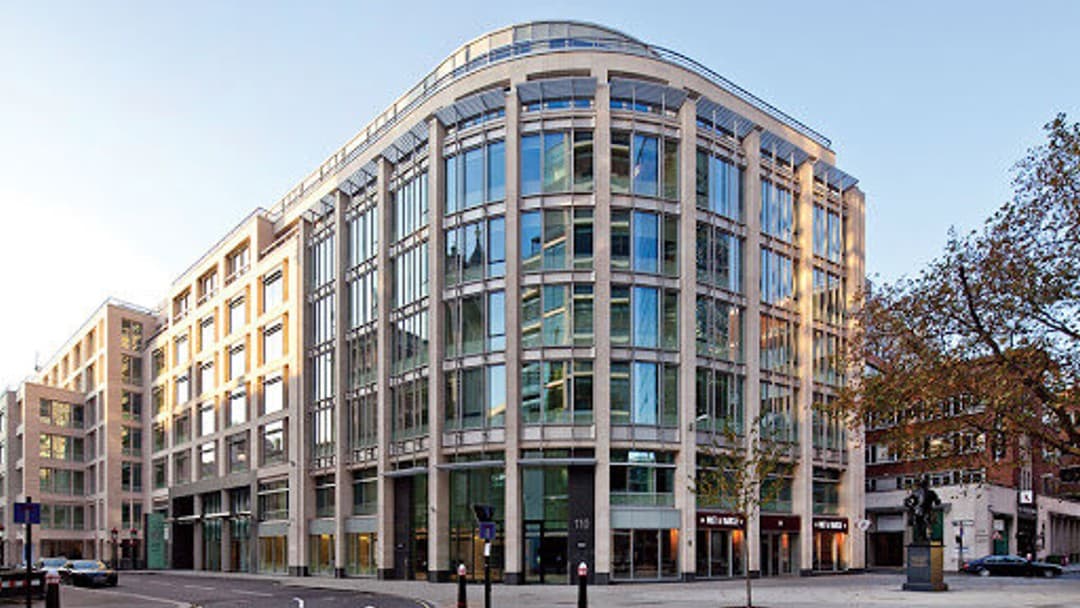
Andrew Baker J holds the 2018 policy's disease sub-limit applied per loss, not annually.
The Commercial Court has held that the €10m disease sub-limit in a Generali global property policy operated per insured business interruption loss rather than as an annual aggregate cap, in a construction ruling that survives the collapse of the underlying claims.
In CP Holdings Limited and others v Assicurazioni Generali SpA and others [2026] EWHC 1717 (Comm), Mr Justice Andrew Baker returned to a set of questions reserved from his main judgement of 29 June 2026 ([2026] EWHC 1520 (Comm)), delivered after a trial of preliminary issues. The claimants' rectification claim had failed, and with it their Covid-19 business interruption claims for the 2019-2020 period. Baker J was nonetheless persuaded to reserve jurisdiction over four questions on the true construction of the 2018 Global Policy, granting declarations despite the fact that they could not alter the overall outcome.
Two features justified that course. The dispute over those questions had been fully ventilated at trial, and the answers might assist the claimants in assessing the consequences of the rectification failure, including in any continuing dealings with their broker, Aon UK. The judge added that he saw no real prospect of a successful appeal against the rectification finding, so that suggested route to keeping the questions alive carried no weight.
The central divide concerned the Contagious Diseases clause. The insurers contended that its €10m sub-limit was an annual aggregate, so that the first defendant's total exposure to all fifteen claimants for Covid-19 business interruption losses would have been capped at €10m even if rectification had succeeded. The claimants argued that the policy limits, including that sub-limit, applied per loss, with each insured business declared on the parties' annual spreadsheet suffering its own separate loss.
Baker J came down firmly on the per-loss analysis. The Policy Loss Limit of €150m was, as it described itself, a limit "each and every loss" combining property damage and business interruption, not an annual cap. The €10m disease sub-limit was likewise a limit per insured business interruption loss falling within the clause, and not an aggregate figure per insured or per declared business. It followed that each business listed on the annual spreadsheet suffered a separate loss even where the trigger was the same disease and the same government measures produced the interruption. He illustrated the point with a hotel struck twice within a single policy period, once by public health closure and later by a contaminated water supply, each attracting a fresh sub-limit.
The judge dismissed the insurers' reliance on the presumption against surplusage to give work to General Clause 5, the composite insureds provision, describing the argument as detached from reality when applied to familiar boilerplate buried deep within an 85-page policy. That clause did no more than confirm that where the spreadsheet declared the operations of several insured companies as a single business, one €10m limit applied to that business as a whole rather than being multiplied.
On the indemnity period, Baker J read the policy definitions as yielding to the disease extension, so that the relevant period ran from the commencement of the interruption, up to a maximum of 36 months. His reasoning drew on Sean O'Sullivan KC's approach in Bath Racecourse Co Ltd v Liberty Mutual Insurance Europe SE [2025] EWHC 1870 (Comm), which likewise treated the placing spreadsheet as central to identifying separate insured losses.
 Copyright & permissions








.jpg&w=3840&q=60)