Court of Appeal revives Glint Pay claim that administrators were appointed for improper purpose
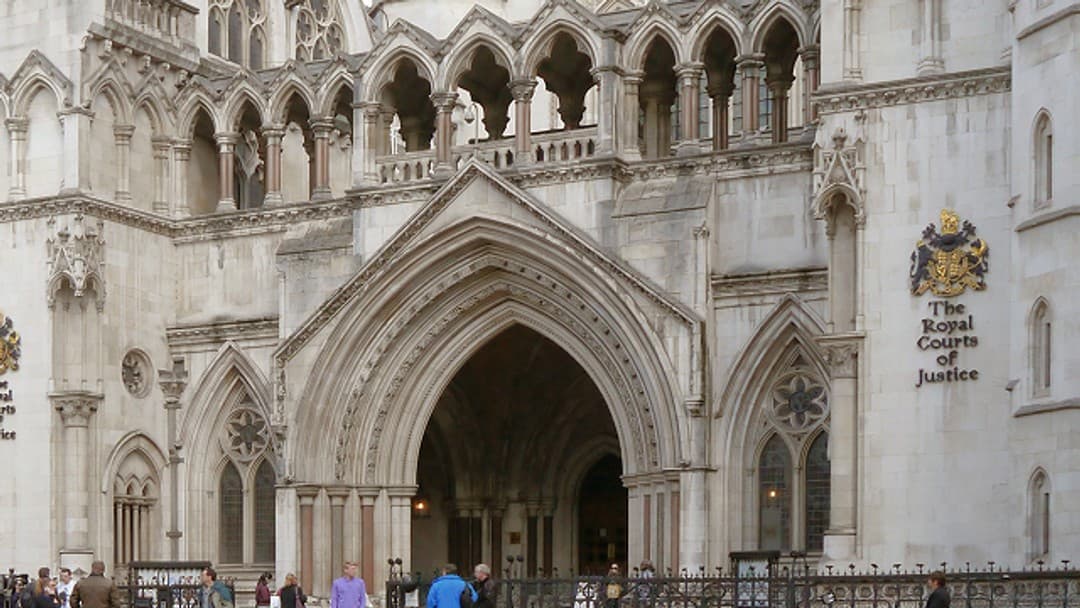
Court of Appeal confirms improper purpose can invalidate an out of court administrator appointment, reviving struck out claim.
The Court of Appeal has overturned a High Court decision striking out claims brought by fintech group Glint Pay against two former administrators, holding that an out of court appointment of administrators can be rendered invalid where the appointor's sole purpose was improper, extending principles previously confined to the appointment of receivers.
Lord Justice Zacaroli, with whom Lady Justice Falk and Lord Justice Arnold agreed, heard the appeal from a decision of Mr Simon Gleeson sitting as a deputy High Court judge, who had struck out Glint's claims for equitable compensation and damages for trespass against the administrators, Jason Baker and Geoffrey Rowley. Glint operates a gold backed debit card app and had been solvent, on both a balance sheet and cash flow basis, before the events giving rise to the dispute.
The background involved a £1.65 million loan secured by a debenture over Glint's assets, which was subsequently assigned to Niven Alpha, a vehicle linked to a venture capital firm that had earlier made a failed bid to acquire a majority stake in Glint. After Glint declined to provide certain financial information requested under the debenture, Niven declared an event of default, accelerated the loan and appointed administrators, despite Glint's later attempts to repay the debt in full. The administration lasted only weeks before Glint refinanced and the loan was repaid.
On construction of the debenture, the Court of Appeal upheld the judge's finding that Glint's failure to respond to the information requests constituted a valid event of default. Lord Justice Zacaroli rejected Glint's argument that the relevant clause was limited to tangible assets, finding it extended to information concerning the condition and operation of the wider undertaking, including cash balances and creditor positions.
The more significant finding concerned improper purpose. The judge below had relied on Re Aartee Bright Bar Ltd in concluding that Niven's motive of wanting to acquire Glint's business could not taint the appointment, since the practical effect was still to install an independent office holder. The Court of Appeal disagreed, finding this reasoning conflated the likelihood of achieving an improper purpose with its existence at the time of appointment. Drawing on the equitable principles governing receivers in Downsview Nominees v First City Corporation, the court held that where an appointor's sole purpose was to acquire a company's business rather than to pursue any of the statutory objectives in Schedule B1 to the Insolvency Act 1986, the appointment could be void from the outset, notwithstanding the differences between the receivership and administration regimes introduced by the Enterprise Act 2002.
The court also rejected the administrators' argument that Glint was estopped from challenging the validity of the appointment because it had supported an earlier application for their remuneration before Insolvency and Companies Court Judge Prentis. Lord Justice Zacaroli found Glint had not been a party to those proceedings, had merely acquiesced in relief sought for the administrators' own benefit rather than procuring an outcome for itself, and had adopted a reasonable "pay now, litigate later" approach to bring a disputed administration to an end without prejudicing its right to challenge validity later.
The appeal was allowed and Glint's claim that the administrators were invalidly appointed will proceed to trial, though the court left open the separate question of whether an implied term restricting the information request power to legitimate commercial aims adds anything beyond the improper purpose argument itself.
 Copyright & permissions
.jpg&w=3840&q=60)