Court of Appeal quashes suspended sentence in Rowena Ledgeway v R driving case
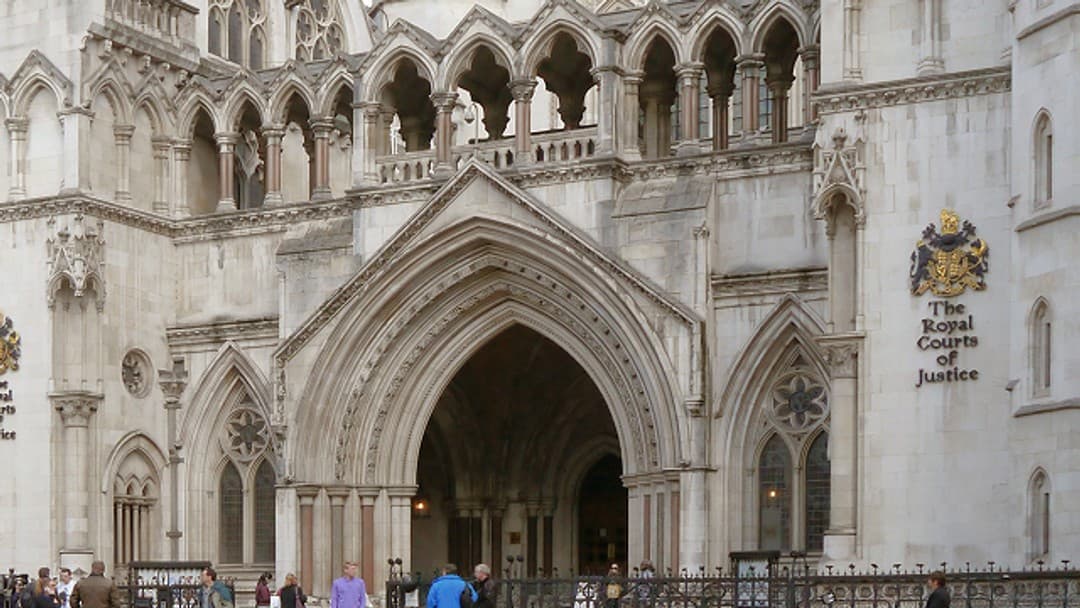
Court of Appeal substitutes a fine for a suspended sentence in a serious injury careless driving case.
The Court of Appeal has quashed a four month suspended prison sentence imposed on a driver who caused catastrophic injuries to a motorcyclist, ruling that the custody threshold had not in fact been passed and substituting a £3,000 fine instead.
In Rowena Ledgeway v R [2026] EWCA Crim 956, Mrs Justice Stacey, sitting with Lord Justice Popplewell and HH Judge Karu, allowed an appeal against sentence brought by Rowena Ledgeway following her conviction for causing serious injury by careless driving, contrary to section 2C of the Road Traffic Act 1988.
The offence arose from a collision on the A59 between Harrogate and York in November 2022. Ledgeway had been overtaking a car and a heavy goods vehicle in the dark when she collided with an oncoming motorcyclist, Mr Saville, who suffered severe injuries including fractures to his shoulder, elbow, forearm and hand, and a leg wound that ultimately led to a below knee amputation. His victim personal statement, described by the court as measured and dignified, detailed years of ongoing surgery, physiotherapy and rehabilitation, and the lasting impact on his ability to work and live independently.
A defence expert report, accepted by the prosecution, found that the motorcycle's headlight, though compliant with regulations, was of a dim, older design that would have been very difficult for Ledgeway to discern against the glare and reflections of the surrounding traffic until one or two seconds before impact. The prosecution ultimately accepted there was no evidential basis for the original charge of dangerous driving, which had rested in part on an officer's witness statement inaccurately recording Ledgeway's roadside account, and the charge was reduced to careless driving shortly before trial, some three years after the collision.
At York Crown Court, HH Judge Hickey had sentenced Ledgeway, then seven months pregnant and of previously unblemished character, to a four month sentence suspended for two years, alongside a one year driving disqualification. The judge found the case fell within category B1 of the relevant sentencing guideline, with a starting point of 26 weeks' custody, and concluded that the sole aggravating factor, the victim's vulnerability as a motorcyclist, balanced out the mitigation present.
The Court of Appeal took a different view of that balance. It found the offence fell towards the bottom of the applicable culpability level, given that Ledgeway's manoeuvre would very likely have succeeded had the oncoming motorbike been fitted with typical modern lighting, and that she had braked and swerved as soon as she became aware of the danger. Weighed against the single aggravating factor were what the court described as extensive mitigating features, including Ledgeway's exemplary character, her voluntary and pastoral work, her immediate concern for the victim at the scene, and the unexplained delay in charging her, which had left her living with the more serious dangerous driving allegation for over two years without evidential basis.
Applying the Sentencing Council's guideline on the imposition of community and custodial sentences, the court held that although a pre-sentence report had found no suitable rehabilitative elements for a community order, largely due to Ledgeway's pregnancy, this did not mean custody was required. A fine remained available and appropriate. The court fixed the fine by reference to family finances rather than Ledgeway's individual income alone, given her maternity leave, and reduced the associated surcharge accordingly. The disqualification period was left unchanged.
The court also indicated it would draw the case, and the underlying expert report, to the attention of the Driver and Vehicle Standards Agency, to consider whether current headlight regulations remain fit for purpose.
 Copyright & permissions