Court of Appeal defines what counts as a trial in Health and Home v Elite Property Holdings
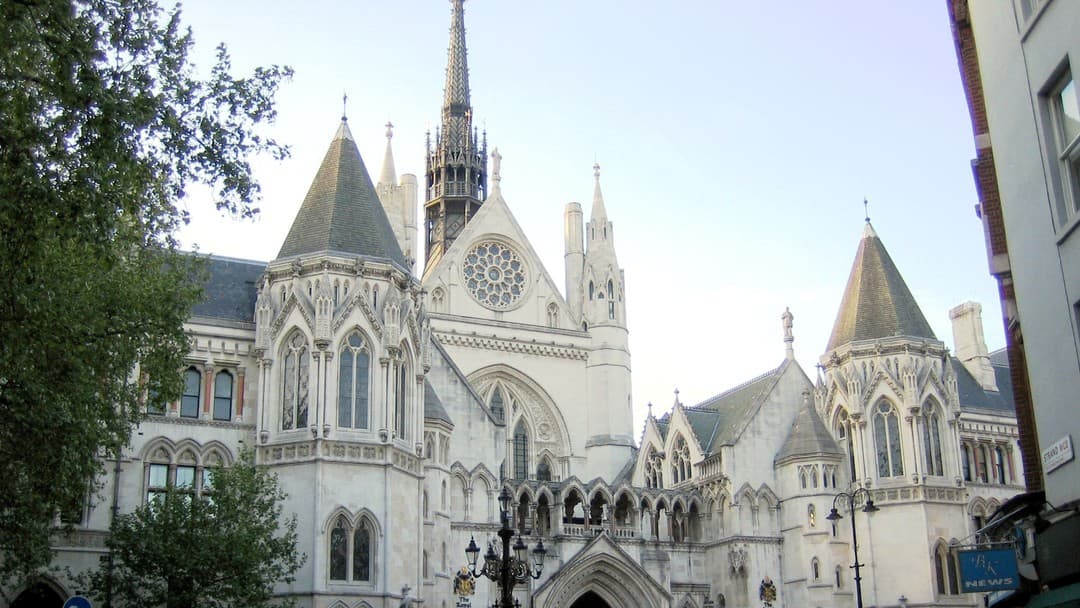
Court of Appeal rules late witness evidence barred as hearing constituted a trial under CPR 32.10.
The Court of Appeal has dismissed a challenge to a ruling that excluded late witness evidence from a third party seeking to establish beneficial ownership of eleven properties, in a judgement that sets out how courts should determine whether a hearing amounts to a trial for the purposes of the Civil Procedure Rules.
In Health and Home Limited & Anor v Elite Property Holdings Limited & Ors [2026] EWCA Civ 933, Lord Justice Arnold, with whom Lady Justice May and Lady Justice King agreed, considered an appeal by Decolace Properties Limited against a decision refusing it a retrospective extension of time to serve a witness statement and associated disclosure documents in insolvency proceedings brought by the liquidators of Health and Home Limited.
Decolace had been joined to the underlying claim after applying to register title to eleven properties it said had been held on bare trust by Elite Property Holdings following a 2019 sale agreement. Directions given by Lance Ashworth KC provided for points of claim and defence, standard disclosure, exchange of witness statements prepared in accordance with Practice Direction 57AC, and a three day final hearing including live witness evidence. Decolace subsequently served a lengthy witness statement, along with further disclosure documents, eight days after an agreed deadline, prompting the judge below, David Mohyuddin KC, to treat the hearing as a trial and to refuse relief from the sanction imposed by CPR rule 32.10, which prevents a witness from giving oral evidence where a statement is served late without permission.
The central question on appeal was whether the hearing directed by Mr Ashworth KC's order was properly characterised as a trial. Lord Justice Arnold reviewed the two principal authorities on the point, Forcelux Ltd v Binnie and Pickard v Roberts, and held that the question must be approached by reference to the specific rationale of rule 32.10, namely enabling the court to enforce time limits and ensure orderly preparation for a hearing that will finally determine substantive rights. Applying that approach, he found several factors pointed decisively towards the hearing being a trial: the issues concerned substantive beneficial ownership of the properties and would bind the parties as res judicata; the order required points of claim and defence performing the same function as conventional statements of case; it directed standard disclosure; it required witness statements prepared under Practice Direction 57AC, which by its own terms concerns evidence for use at trials; and it mandated live evidence from witnesses, a requirement inconsistent with an ordinary interim hearing.
Factors relied upon by Decolace, including the absence of a formal notice of trial date, a trial fee notice, or use of a standard trial directions template, and the listing of the hearing in the court diary as an "application", were held to be administrative oversights incapable of altering the true construction of the order. The court also noted that Decolace's own solicitors had internally referred to the hearing as a trial and had not objected when served with a notice to prove documents expressed to apply "at trial" under rule 32.19.
Having upheld the classification of the hearing as a trial, the court found it unnecessary to disturb the judge's refusal of relief from sanction, noting that Decolace had not challenged the underlying findings that the breach was serious, unexplained, and not the subject of a timely application for extension. The appeal was accordingly dismissed in its entirety.
 Copyright & permissions