Court backlog figures show ongoing challenges

The latest figures reveal the persistent Crown Court backlog despite some measures beginning to take effect
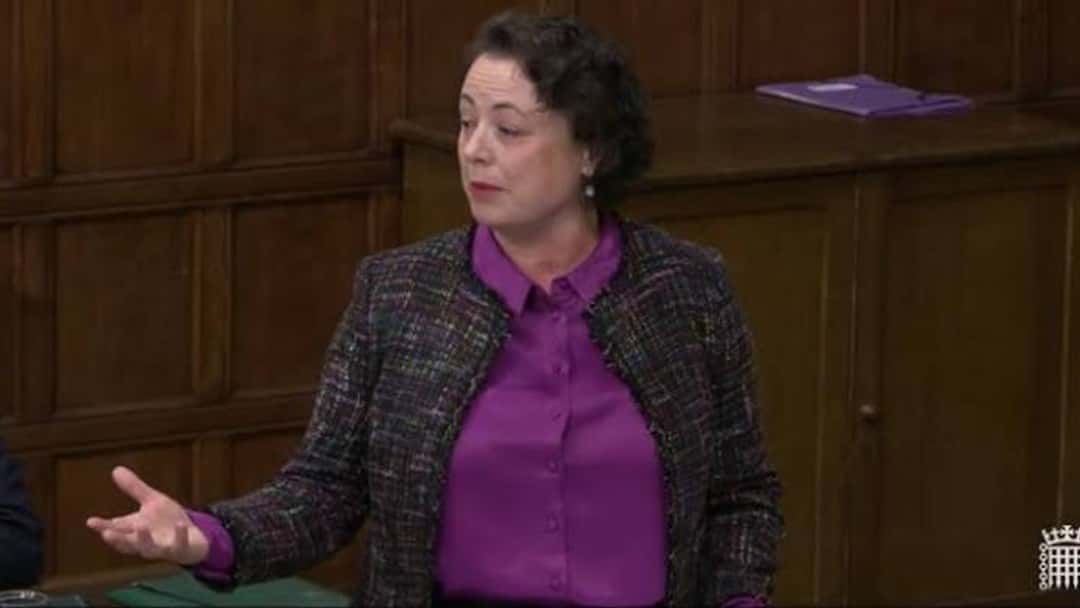
In a recent statement regarding the persistent Crown Court backlog, Courts Minister Sarah Sackman KC highlighted the continuing struggles of the justice system. As she expressed, “As the latest figures indicate, record investment, greater efficiency, and increased sitting days are starting to stabilise the backlog - but they cannot reverse it alone. Only structural reform can turn the tide to deliver faster justice for victims.” The current statistics indicate a slight reduction in the Crown Court caseload, dropping from 80,098 cases at the end of 2025 to 80,061 by the end of March 2026. However, the backlog still poses significant challenges, particularly for victims of serious crimes.
The data reveals that over 22,000 cases have been pending for more than a year, with nearly 7,000 involving violence against the person and over 5,000 related to sexual offences. Notably, more than one in ten of these cases pertain to rape. Sackman further remarked on the stark challenges faced, stating, “In the most serious cases, victims are waiting longer than ever - and at this pace, it could take nearly 300 years to clear the backlog.” The average time from receipt to completion for rape cases stands alarmingly at one year, a statistic that raises serious questions about the speed and efficiency of the criminal court system.
Despite the slight improvements, Sackman cautions against complacency, stressing, “It’s encouraging to see our work beginning to pay off but there’s no room for complacency - we know there is a long road to go." Structural reforms, she emphasised, are crucial in truly addressing the backlog and expediting justice delivery for the most serious cases. Alongside a record investment, the government’s approach involves making changes to how some criminal cases are heard, aiming to enhance jury trial capacity and overall efficiency.
Criminal defence lawyer Marcus Johnstone, Managing Director of PCD Solicitors, commented on the situation, noting that the latest dataset showed a minimal decline in Crown Court cases compared to previous quarters and an 11% yearly increase in caseload for magistrates’ courts. He expressed concern that “most ‘substantive’ reforms to the court system have not yet taken place,” and deemed the government's plans to increase the burden on already overstrained magistrates’ courts as nonsensical.
Brett Dixon, vice president of the Law Society of England and Wales, also weighed in, stating, “These figures paint a stark picture of our justice system. Years of government underfunding are still leaving far too many people struggling to secure safety and stability for themselves and their families through the courts.” He highlighted the necessity for urgent actions to address backlogs and delays, while also stressing that “trials pushed years into the future are placing extraordinary strain on victims, witnesses and defendants, while undermining confidence in the criminal justice system.”
The need for reforms is further compounded by rising numbers of public and private family law cases, with accusations of domestic abuse often featuring heavily. Dixon reiterated the importance of access to legal representation for all, reiterating, “Restoring legal aid is essential to achieve that.”
As the government continues to evaluate the recommendations from Sir Brian Leveson's Independent Review of the Criminal Courts, the persistent backlog raises critical questions about the efficacy and future of the justice system in delivering timely and fair outcomes for all involved.
 Copyright & permissions