Controversial court reforms raise concerns
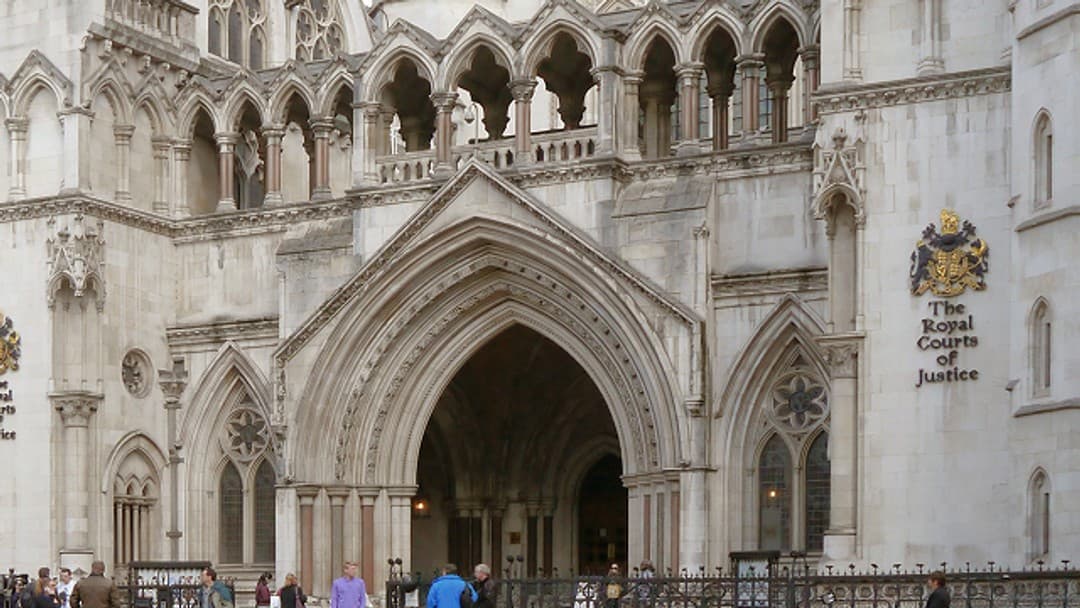
Senior lawyers voice their concerns over the passing of the Courts and Tribunals Bill in Commons
The passing of the Courts and Tribunals Bill at its first Commons hurdle has sparked significant criticism from leading legal figures. The legislation, backed by the Labour government, has been labelled as a step towards undermining the criminal justice system in the UK. Jan Matthews, managing partner at Reeds Solicitors LLP, expressed disappointment, stating that the changes fail to tackle the actual issues plaguing the system. She noted “We are disappointed to hear that the Labour government has taken a step towards undermining one of the fundamental pillars of our criminal justice system. What is worse is that the changes in no way address the root problems: lack of judges and courts, an underfunded Crown Prosecution Service and an ever-dwindling number of legal aid criminal solicitors and barristers.”
Concerns over the balance of power within the judiciary and political spheres have also been echoed by Roger Gherson, senior partner at Gherson Solicitors LLP. He warned of the potential erosion of democratic principles, asserting that “The concentration of power in the hands of politicians and the judiciary is a threat to freedom, liberty, and democracy.” He cited the £38 million superyacht Phi, which was seized by the UK in March 2022 amid sanctions against Russia, as a pertinent example of the implications of such reforms. Gherson remarked that this case has been the subject of extensive litigation and debate in the UK, suggesting it provides insight into how future legal proceedings might unfold under the proposed legislation. He added that “This case alone gives one a taste of how things would likely play out in the future if these reforms to the Courts and Tribunals Bill actually come to force. Political justice to order irrespective of the reality and the facts.”
As the legal community reacts to these controversial reforms, the implications for justice and legal representation in the UK could be profound, with calls to reconsider the government's approach becoming louder.
 Copyright & permissions

.jpg&w=3840&q=60)
-cropped-6au25meu.jpg&w=3840&q=60)




.JPEG&w=3840&q=60)