Chief Constable of Greater Manchester Police v Nugent: how a law not yet in force derailed a wrongful arrest finding

An arrest found unlawful at trial was overturned on appeal because a key alternative remedy simply did not exist yet.
A wrongful arrest claim that succeeded at trial has been overturned on appeal by the High Court because the central plank of the claimant's case rested on a legal remedy that was not yet available on the day of the arrest. Chief Constable of Greater Manchester Police v Nugent [2026] EWHC 1465 (KB) is a case about more than police powers. It is a cautionary tale about the consequences of advancing an argument at trial without first checking whether it is factually sound.
Paul Nugent was arrested on 7 January 2020 on suspicion of stalking with fear of violence, following allegations made by his former partner. Both lines of investigation — the stalking and a separate rape allegation — were ultimately marked no further action. Nugent brought a claim for wrongful arrest, false imprisonment and trespass. HHJ Khan found that whilst the arresting officer, DC Mount, had genuinely believed arrest was necessary, there were objectively no reasonable grounds for that belief. The key reason was that her objectives could have been achieved by less intrusive means: a search warrant, a voluntary interview, and a stalking protection order.
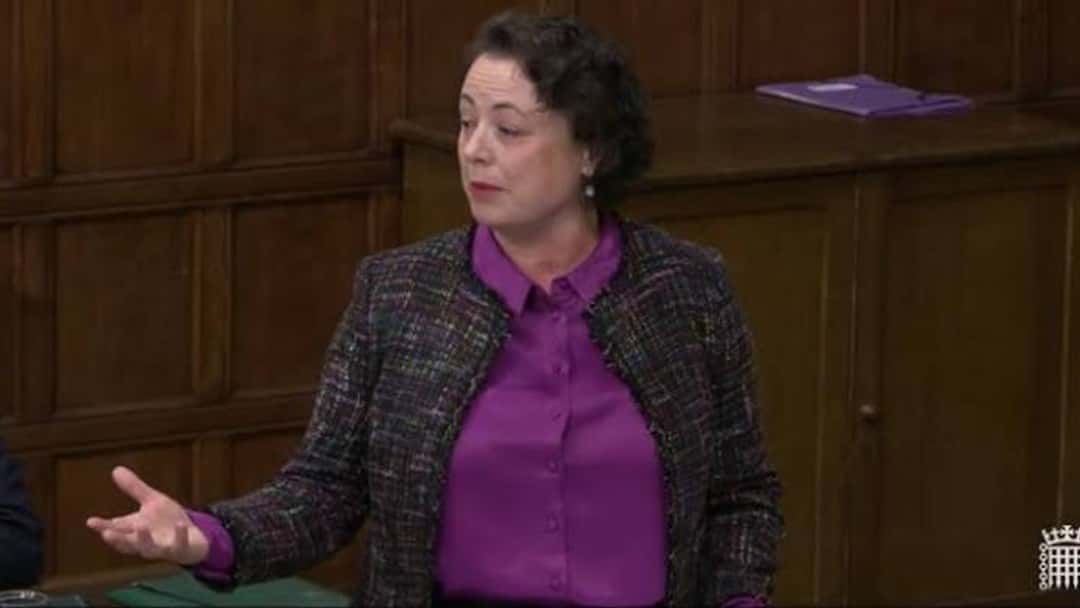
Mrs Justice Dias allowed the Chief Constable's appeal and dismissed the claim entirely.
The central problem with the judge's reasoning was this: the Stalking Protection Act 2019, which created the power to obtain an interim stalking protection order, did not come into force until 20 January 2020, thirteen days after the arrest. The commencement order bringing it into force was not even made until 9 January 2020, two days after Nugent was arrested. At the moment DC Mount made her decision, a stalking protection order was not a theoretical alternative, or an impractical one — it was simply unavailable.
This error was not the trial judge's fault. The point about the Act's commencement had never been pleaded by Nugent, did not appear in his skeleton argument for trial, and was only raised obliquely during cross-examination of the senior officer, DS Barker — and on a wholly incorrect basis, since counsel put to her that an order could have been obtained as early as November 2019. Dias J was pointed in her criticism. Counsel had not checked the commencement date before putting questions on the point, and springing it on a witness without notice was, she found, unfairly prejudicial. The Chief Constable had withdrawn his adjournment application in the reasonable belief that the issues were confined to those that had been pleaded. He was given no proper opportunity to address the ISPO point in evidence.
There are two distinct lessons here. The first concerns police law. The necessity test under section 24 of PACE does not require an officer to exhaust every alternative before making an arrest, nor to conduct a formal review of all options. What it requires is that, objectively, there were reasonable grounds for believing arrest was necessary. DC Mount had consulted a senior officer who had independently reached the same conclusion. That unchallenged evidence, Dias J found, should have informed the judge's assessment of objective reasonableness, just as it had informed his assessment of the grounds for suspicion.
The second lesson is procedural. If a party intends to argue that a particular alternative should have been considered by a decision-maker, that argument needs to be on the pleadings, investigated before trial, and put to witnesses on an accurate factual basis. Raising it in cross-examination for the first time, incorrectly, and without the other side having the opportunity to gather evidence to address it, is a fundamental failure of fair procedure. Dias J was clear that it would have been unjust to allow the claimant to benefit from it on appeal.
The appeal court substituted its own decision, dismissing the claim. No purpose would have been served by remitting matters to the county court.
Chief Constable of Greater Manchester Police v Paul Nugent [2026] EWHC 1465 (KB). Judgement of Mrs Justice Dias DBE, 16 June 2026.
 Copyright & permissions