Charity status as a social contract
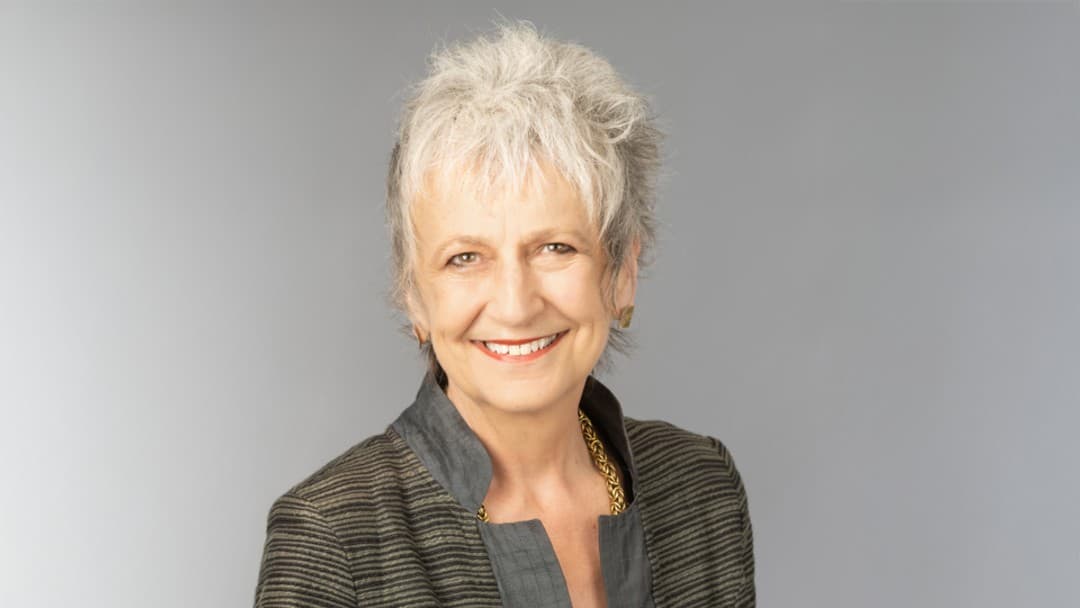
Dame Julia Unwin recently emphasised the importance of registered charity status as a form of social contract prioritising stewardship and public trust
In her inaugural speech as Chair of the Charity Commission at the Civil Society Media's Trustee Exchange in London, Dame Julia Unwin expressed her commitment to maintaining strong communication within the charity sector. She stated, “No regulator can thrive without regular engagement, formal and informal, with the sector it regulates." Recognising critical challenges facing charities, she reflected on the difficult financial landscape affecting many organisations and invited trustees to share their experiences with the Commission. Unwin proposed that registered charity status functions as a social contract, benefiting both society and charities.
She highlighted that civil society is a vital pillar of society, stating, “It is so much more than a collection of services.” By framing charity as a social contract, she argued for the need for accountability, integrity, and governance within charities. She acknowledged the evolving nature of charitable work and the importance of maintaining distinctiveness between charities and other not-for-profit entities. Unwin pointed out that the responsibility for good governance rests with trustees and emphasised the Commission's supportive role to help them succeed.
Additionally, she addressed the rising tensions within the sector regarding disagreements, asserting that while charities must not shy away from controversy, they must negotiate criticism respectfully. Unwin urged for a collective acknowledgment of the value of diverse perspectives within the charity sector. She concluded her speech by reaffirming that sustaining a healthy charity sector relies on a mutual understanding of responsibilities and nurturing the social contract that binds charities to society.
 Copyright & permissions