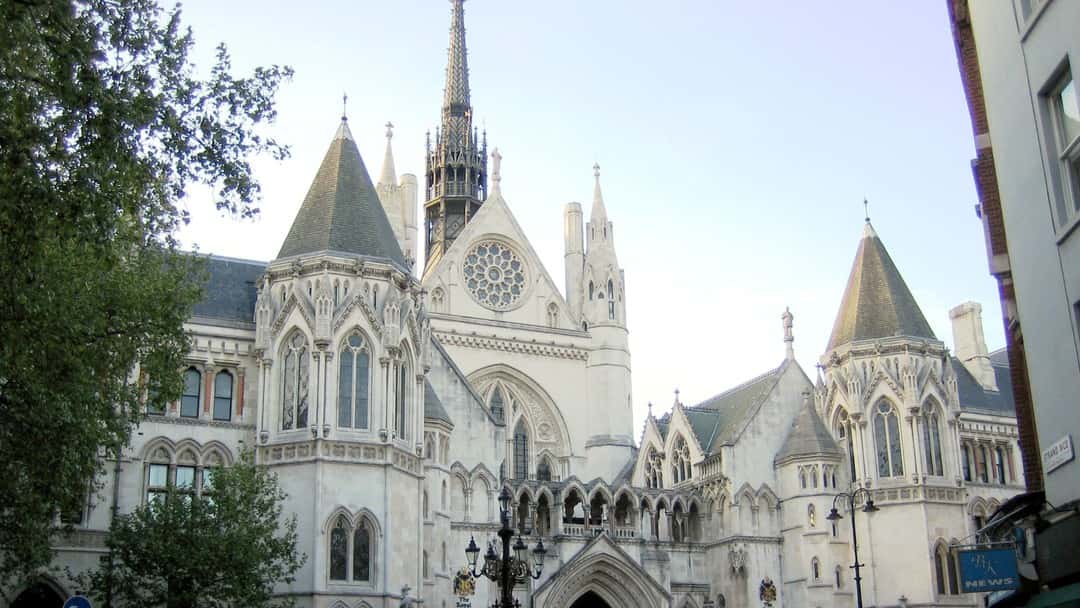
Chancery Division rebranded after 151 years
The Chancery Division of the High Court has officially been renamed the Business and Property Division
The legal landscape in England has undergone a significant transformation with the disappearance of the Chancery Division from the High Court after 151 years. Officially renamed the Business and Property Division on 1 October, this change marks the end of an era for one of the most recognisable names in English law. The decision was first announced in June but formally took effect just this week, bringing the historical Chancery name to a close.
Probate researchers at Fraser & Fraser have highlighted the implications of this change for legal practitioners. They stress that for the most part, practice remains unchanged despite the rebranding, as the Property, Trusts and Probate List will still address contentious probate issues, trust disputes, estate administration, and applications concerning personal representatives. The work that was traditionally associated with Chancery continues under the new division. In essence, while the name has shifted, the substance of equity, trusts, estates, and property law remains intact.
Created in 1875 under the Judicature Acts, the Chancery Division integrated the old Court of Chancery into the modern High Court framework. Over the years, it has been a central figure in handling trusts, estates, companies, insolvency, land, and intellectual property. The rebranding completes a process initiated with the establishment of the Business and Property Courts in 2017, whereby courts that specialised in these areas were earlier divided primarily between the Chancery and King’s Bench Divisions.
Moving forward, court documents will now refer to this division as the Business and Property Division, and its head will be known as the President of the Business and Property Division, thereby replacing the long-standing title of Chancellor of the High Court.
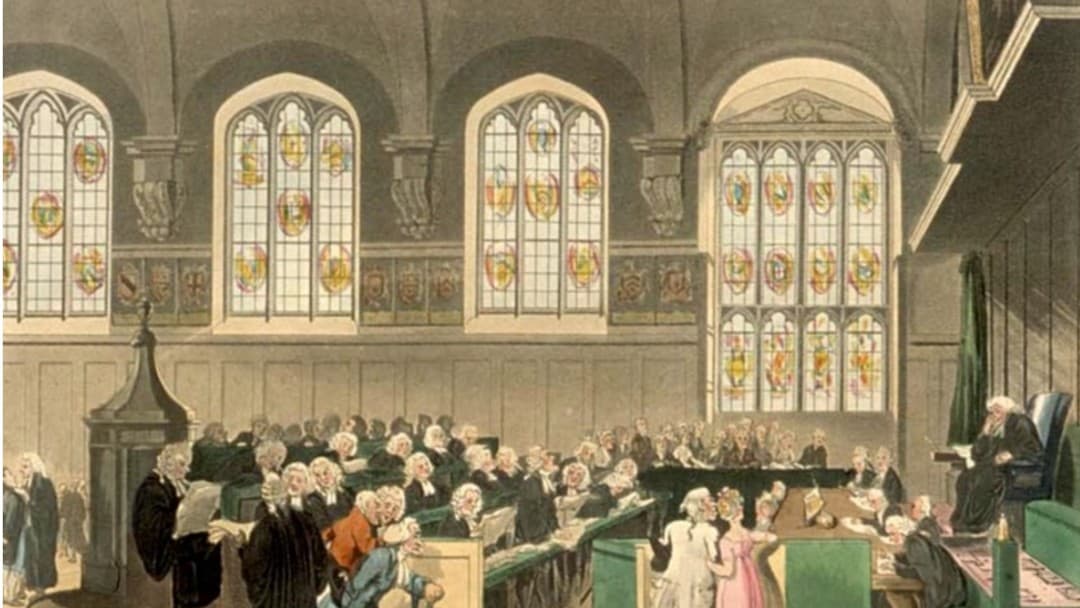
For Fraser & Fraser, a well-respected probate research firm, the renaming signifies the loss of a familiar component of English legal heritage. The name Chancery itself has been intertwined with England's legal system for centuries, even finding a place in literature. Charles Dickens famously illustrated its complexities through the endless case of Jarndyce v Jarndyce in his novel Bleak House, which parodies the old Court of Chancery.
While the legacy of the Chancery Division may have been rebranded, the essential functions and legal frameworks it encompassed continue to thrive within the new Business and Property Division, ensuring that the work of equity, trusts, estates, and property law lives on.
 Copyright & permissions