


Browne Jacobson collaborates with LGiU on report highlighting “critical” role of local government to hit net zero

By Law News
UK and Ireland law firm Browne Jacobson has again partnered with the Local Government Information Unit (LGiU) on their latest report Net Zero and Local Democracy
The report which launched this week at a session hosted by the LGiU on democratic support for local climate action, includes expert input from Browne Jacobson partner and environmental lawyer Ben Standing. The report finds that with influence over significant sources of emissions and established local networks, councils are a critical player in achieving the target of zero emissions by 2050 - yet the cost-of-living crisis, inflation and rising fuel and energy costs, risk distracting and deprioritising local efforts towards net zero.
The report also highlights that Councils:
- have influence over important policy areas like housing, transport, health and wellbeing, which can make significant contributions in terms of reduced emissions. They can align action with the needs and preferences of local communities, and through discussion and consultation with residents, councils can tailor decisions to local contexts, sharing knowledge about possible solutions;
- can build partnerships with residents, businesses, the third sector and other parts of government to enable and encourage behaviour change that leads to changes in how people use energy, transport, housing, waste services, and much more.
However, the report also points out that public support has been severely tested in recent and high-profile disagreements surrounding the expansion of the Ultra Low Emissions Zone and Low Traffic Networks which has stymied the debate and eroded progress. This, combined with the cost-of-living crisis, risks weakening councils’ resolve to deliver net zero democratically.
The report concludes that in spite of so many external pressures, maintaining democratic support is essential for achieving net zero because it will enable shared understanding and build public support for change.
Jonathan Carr-West, Chief Executive, Local Government Information Unit (LGIU), said: “With the country struggling under the weight of the cost-of-living crisis, it is tempting to focus efforts on that alone. However, if councils agree that the net zero targets are necessary, they must accept that they cannot deliver their contribution alone. It requires the support of residents, businesses and the public sector across each of our communities to contribute towards net zero goals.
“Taking a democratic approach to net zero in local areas will improve decision-making and planning by incorporating a broader range of views and perspectives, adding legitimacy to the process and helping to build trust locally.
“This is essential for changing behaviours and implementing local strategies. By working with the community and fostering support councils can also maximise the co-benefits of net zero, ensuring that the transition is just and fair.”
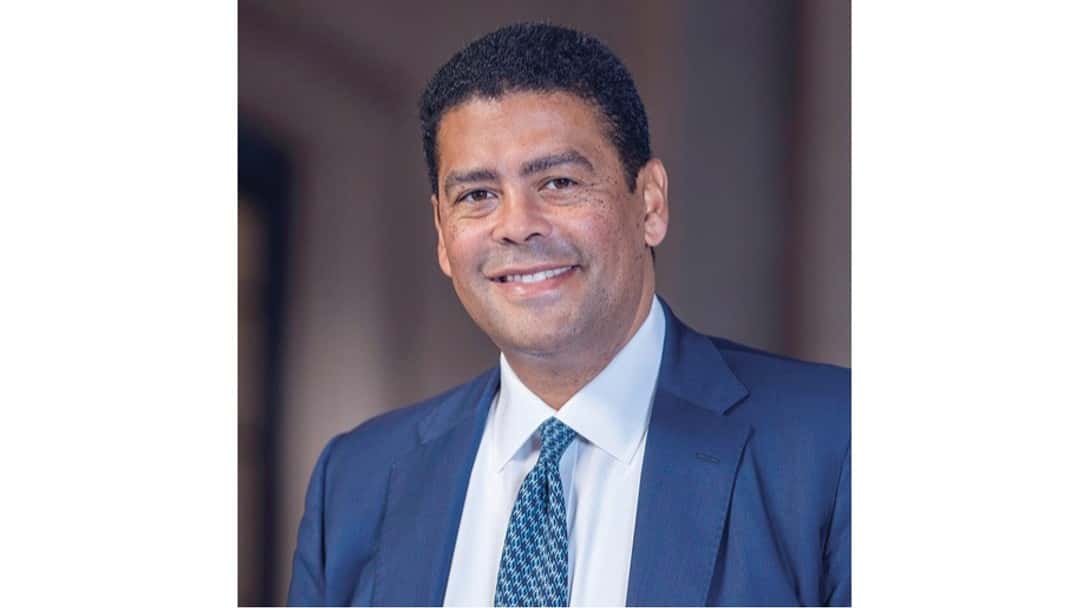
Partner Ben Standing who specialises in public, planning and environmental law and is part of a team responsible for reducing the emissions produced by Browne Jacobson added: “We are proud to have partnered with the LGiU on this insightful report around the net zero agenda which resonates with our own firm values and ambitions around ESG and positive societal impact.
 Copyright & permissions






.jpg&w=3840&q=60)



