Breeze v Chief Constable of Norfolk: High Court orders indemnity costs over failed prosecution claim
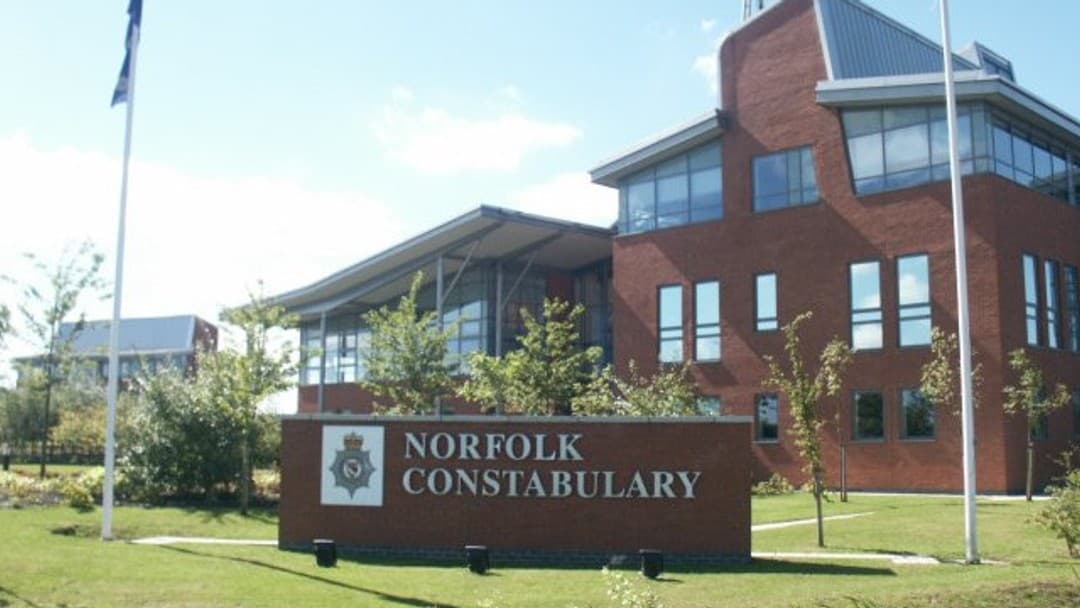
High Court orders indemnity costs against claimants after unreasonable conduct in malicious prosecution trial.
The High Court has ordered two businessmen to pay indemnity costs after their claims for malicious prosecution and misfeasance in public office against Norfolk Constabulary were dismissed following a twelve-day trial, with Mr Justice Cotter finding their conduct of the litigation took the case well outside the norm.
In Andrew Breeze & Anor v Chief Constable of Norfolk Constabulary [2026] EWHC 1937 (KB), the judge ruled that the Chief Constable was entitled to indemnity costs covering trial preparation and the trial itself, running from December 2024, some three months before the case began. The underlying claim arose from a discontinued prosecution alleging conspiracy to defraud NHS Primary Care Trusts, which collapsed seven weeks into a criminal trial in 2009. Andrew Breeze and Dominic Wilson subsequently sued the police, alleging their officers had no reasonable or probable cause to prosecute, acted maliciously, and manipulated or suppressed evidence to secure a conviction. Mr Justice Cotter dismissed the claim in a judgement handed down in October 2025.
The costs dispute centred on a letter sent by the Chief Constable's solicitors in November 2024 inviting the claimants to discontinue and warning that indemnity costs would be sought if they failed to do so by a specified deadline. It was common ground that the letter did not constitute a settlement offer. Charlotte Ventham KC, for the Chief Constable, argued that the trial had exposed a pattern of serious and wide-ranging allegations of dishonesty against named officers pursued without evidential foundation, including claims of evidence tampering and suppression that were never pleaded and were put to a key witness for the first time during cross-examination. She pointed to allegations directly contradicted by contemporaneous recordings and transcripts, a central case summary document alleged to be deliberately slanted yet barely challenged when its author gave evidence, and a case advanced on materially inconsistent bases regarding whether officers genuinely believed in the claimants' guilt.
Anthony Metzer KC and Una Morris, for the claimants, argued that allegations of dishonesty were an inherent requirement of the torts pleaded and did not of themselves take the case outside the norm, that losing on contested factual issues was an ordinary feature of adversarial trials, and that the Chief Constable's own disclosure failures, which had already resulted in a lost trial date and separate adverse costs orders, undermined any claim to the moral high ground. They further submitted that no settlement offer had been made by the defence, in contrast to Part 36 offers made by the claimants themselves.
Mr Justice Cotter rejected the claimants' position. Applying the principles drawn from Three Rivers DC v Bank of England and National Westminster Bank v Rabobank Nederland, he found that the cumulative effect of several features, rather than any single failing, justified indemnity costs. These included the pursuit of serious dishonesty allegations with no realistic prospect of establishing malice, given a whistleblower's evidence had remained consistent throughout; a case that expanded into an unfocused inquiry into police professionalism rather than the pleaded causes of action; allegations irreconcilable with contemporaneous documents; and an internally contradictory case theory. He found the defendant's later disclosure lapses had no material bearing on the liability issues and that neither the absence of a strike-out application nor the lack of a settlement offer weakened the case for indemnity costs, noting the claimants had themselves sought a combined £2.2 million in settlement discussions.
The judge accordingly awarded indemnity costs on the limited basis sought by the Chief Constable.
 Copyright & permissions







.jpg&w=3840&q=60)