Bar Council challenges unfair legal aid proposal
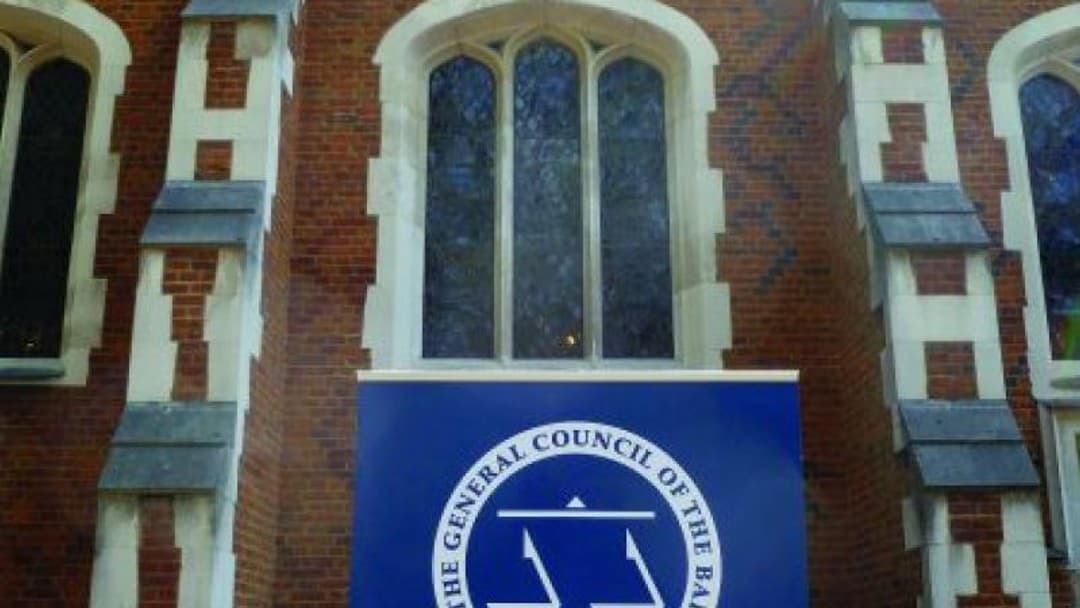
The Bar Council criticises the government's proposals on criminal legal aid as lacking evidence and fairness
The Bar Council has voiced sharp criticism of the government's recent proposals for criminal legal aid, claiming they are “not backed by evidence” and “fundamentally unfair”. In response to the delayed Ministry of Justice consultation, the Bar’s representative body rejected a government plan that would see fees for guilty pleas raised by 30%, while daily attendance fees at trials would remain unchanged.
The Council advocates for a more equitable approach, specifically calling for a 6% increase to both guilty plea fees and daily attendance fees as outlined by the Criminal Legal Aid Advisory Board Advocates' Graduated Fee Scheme (AGFS) working group earlier in January 2026. This working group conducted a detailed analysis before making its recommendation.
The last significant increase in criminal legal aid funding occurred in 2022, following Sir Christopher Bellamy’s Independent Review of Criminal Legal Aid, which revealed alarming issues regarding access to justice and the legal aid crisis. Public funding for justice in England and Wales fell by 22.4% in real terms from 2009-10 to 2022-23. Despite this decrease, inflation has rendered current fees effectively stagnant, failing to provide the necessary support for legal practitioners.
While the former Lord Chancellor announced an additional £34 million annual investment in criminal legal aid fees on 2 December 2025, aimed at resolving the shortage of criminal barristers, the Bar Council characterised this as “only a relatively small step” in addressing a much larger issue.
In its feedback on the Ministry of Justice’s consultation titled ‘Proposals for advocates’ graduated fee scheme reform’, the Bar Council pressed the government to clarify the basis for its deviation from the expert working group's recommendations and its proposal for no increase to daily attendance fees. Moreover, the Council underscored the injustice in applying fee increments solely to future cases, leaving ongoing cases, which contribute to a significant backlog, without adequate support.
Kirsty Brimelow KC, Chair of the Bar Council, stated, “We urge the Ministry of Justice to follow the recommendation of the expert working group to increase fees for daily attendance at court. These have been decimated by cuts and inflation.” She further highlighted that the current proposal would disproportionately affect cases involving rape and serious sexual offences, which typically require lengthy trials. “The Ministry of Justice’s proposal will disproportionately negatively impact rape and serious sexual offences cases as these cases are usually trials and the Ministry of Justice is proposing reducing investment in trials,” she asserted.
The Bar Council pointed to an alarming reduction in the number of criminal KCs, which has dwindled by approximately 25%, indicating a troubling trend that the current proposals would fail to reverse. It further warned that these changes could result in more adjourned cases, causing distress to victim complainants.
Brimelow called for adherence to spending commitments in the government’s review and advocated for addressing the backlog of around 80,000 cases rather than just focusing on new cases which may take years to complete. She concluded, “Investing in a properly funded criminal Bar and investing in victim support are not competing priorities. It is incoherent to spend hundreds of millions supporting victims in an empty or delayed courtroom.”
The Bar Council’s proposed recommendations include the restoration of the AGFS working group's suggested fee increases, the implementation of these increases for ongoing cases, treating the £34 million investment as additional funds, and the establishment of an independent fees review body to ensure that legal aid fees remain aligned with inflation moving forward.
 Copyright & permissions

-cropped-a0w29ejw.jpg&w=3840&q=60)