Bank of India v Firestar Diamond FZE: High Court holds Nirav Modi liable on personal guarantee despite FEMA non-compliance
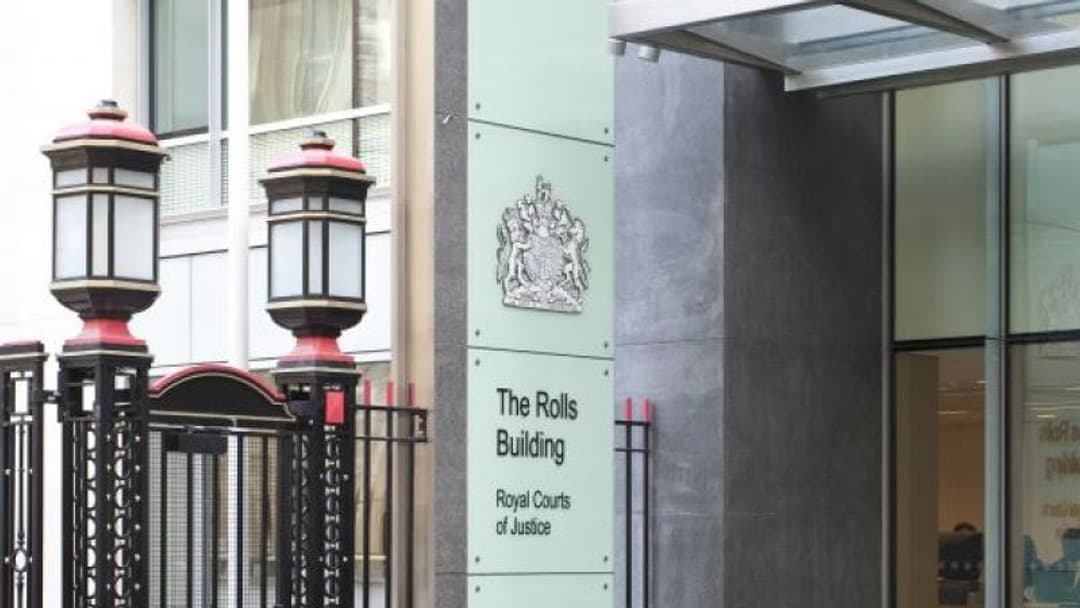
High Court finds Nirav Modi's personal guarantee enforceable despite absence of RBI consent under FEMA.
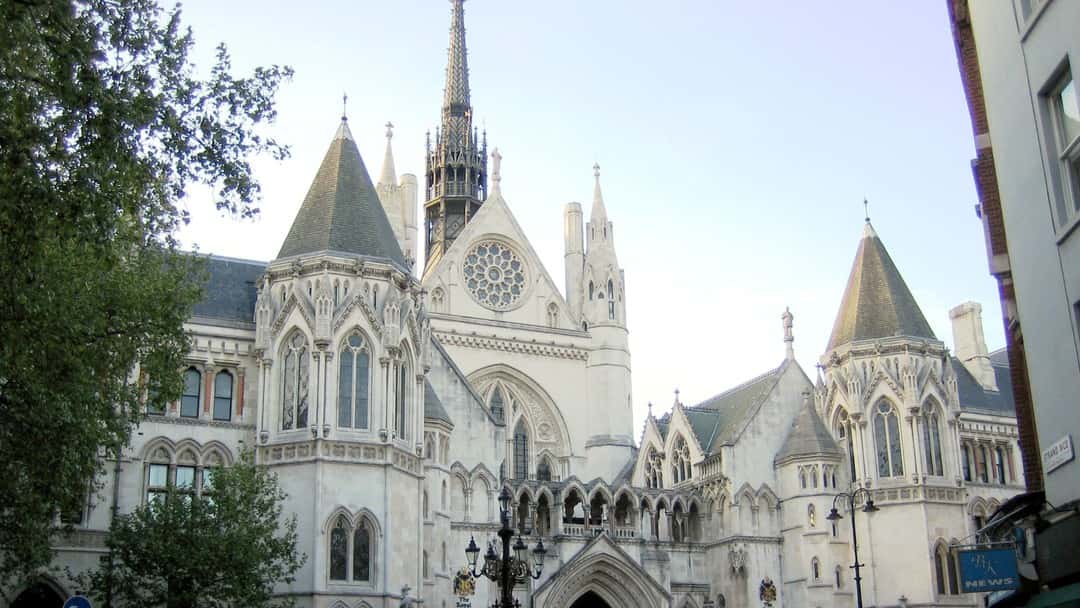
The London Circuit Commercial Court has held Nirav Modi liable under a personal guarantee given to Bank of India, rejecting his defence that the guarantee was void under Indian law for want of Reserve Bank of India approval.
Simon Tinkler, sitting as a Deputy High Court Judge, delivered judgement on 23 June 2026 in Bank of India v Firestar Diamond FZE and Ors [2026] EWHC 1565 (Comm). Modi was ordered to pay the principal sum of USD $4,105,189.34 plus interest in respect of sums advanced under a facility agreement to Firestar Diamond FZE, a Dubai-incorporated company of which he was chairman.
Background
The Bank lent money to Firestar Diamond FZE under a Facility Agreement governed by English law. Modi signed a personal guarantee of the company's obligations in August 2013, governed by Indian law. Summary judgment was previously obtained against the company for the principal sum, which remains unpaid.
Modi has been held in custody in England since early 2018, when allegations surfaced that partnerships connected to him had fraudulently obtained Letters of Undertaking from Punjab National Bank in a fraud alleged to exceed $1 billion. He is resisting extradition to India on criminal charges. No fraud has been proved and no fraud was alleged in these proceedings.
The FEMA enforceability issue
Modi's central defence was that the personal guarantee was void or unenforceable under Indian law because no approval had been obtained from the Reserve Bank of India as required by Regulation 3 of the Foreign Exchange Management (Guarantees) Regulations 2000.
The Bank's Indian law expert, Sushmita Gandhi, gave clear evidence, tested in cross-examination and supported by a body of Indian and English authority, including the Gujarat High Court's decision in Arun Kumar Jagatramka v Ultrabulk A/S (2023) and Teare J's earlier decision in Ultrabank v Jagatramka [2017] EWHC 2792 (Comm). Her opinion was that the RBI retains power to grant approval prospectively or retrospectively, rendering the guarantee valid; that the obligation to obtain consent lay on Modi rather than the Bank; and that Modi could not rely on his own failure to obtain it.
Modi's expert, Mr Jain, was not called to give oral evidence, substantially reducing the weight attached to his report. Even at its highest, the report did not assert that the guarantee was void. The judge accepted Ms Gandhi's evidence and rejected the enforceability challenge.
Service, demands and prison disruption
The October 2025 demand served on Modi was found to be valid. His contractual address for service remained the Indian address specified in the personal guarantee, no alternative having ever been notified. A late-raised time-bar argument was dismissed, not having been pleaded and being without merit in any event.
The trial itself required judicial intervention following serious failures by the prison service. The original January 2026 hearing was postponed after HMP Thameside failed to transfer Modi's papers when he was unexpectedly moved to HMP Pentonville in October 2025. Pentonville then twice failed to produce Modi to court under a valid court order and did not respond to urgent enquiries from the court and the Bank's legal team. The Deputy Judge ordered the Governor to provide sworn evidence explaining the failures. A full apology was given, and the court recorded its gratitude for the remedial steps identified.
On interest, the Bank's use of SOFR following the cessation of synthetic LIBOR on 30 September 2024 was held not to constitute a variation of the Facility Agreement, and section 133 of the Indian Contract Act 1872 was not engaged.
Tom Beasley (instructed by Fladgate LLP) for the Claimant. Vivek Kapoor (instructed by Kenton's Solicitors) for the Third Defendant. The First and Second Defendants did not appear and were not represented.
 Copyright & permissions