APL Holdco v Apple Properties: High Court refuses winding-up amid family feud over London properties
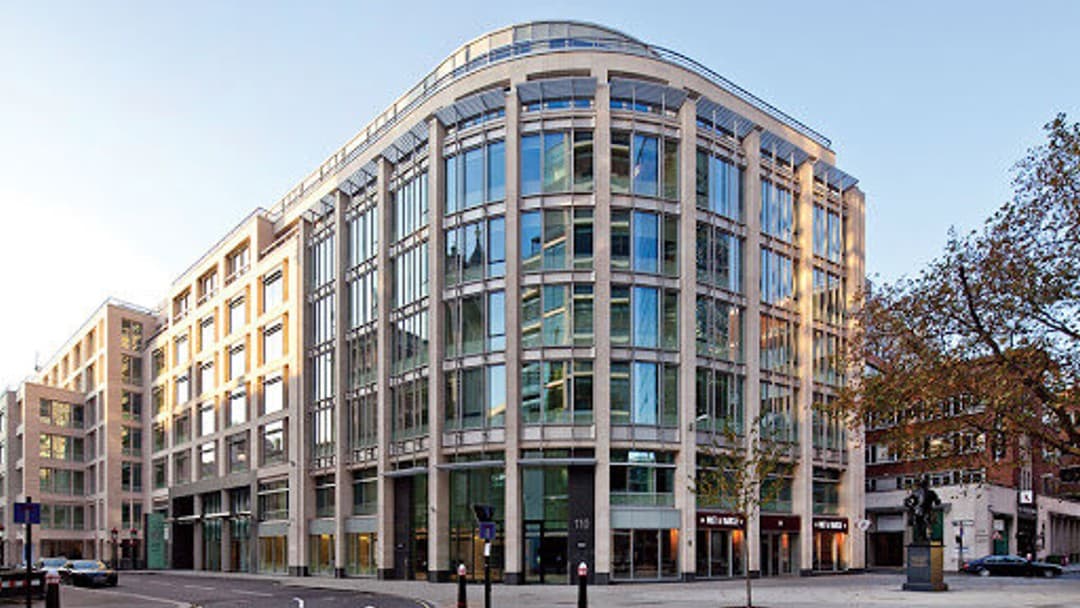
Court refuses to wind up family property company, ruling petitioner's shareholder solely caused the deadlock.
The High Court has dismissed a petition to wind up a family-owned property company holding a London portfolio worth over £4 million, ruling that the petitioner's controlling shareholder was the sole cause of the very deadlock he sought to rely upon.
Handing down judgement in APL Holdco Limited v Apple Properties Limited [2026] EWHC 2245 (Ch), Mr Philip Rainey KC, sitting as a Deputy Judge of the Chancery Division, refused to wind up Apple Properties Limited, an Isle of Man company holding eleven rented properties in London, on just and equitable grounds under section 221(5)(c) of the Insolvency Act 1986.
The petition was brought by APL Holdco Limited, a vehicle controlled by Habib Bush, against the nominee shareholder of his brother, Shafe Buksh. The two brothers, whose surnames are spelled differently, each hold a 50 per cent interest in Apple Properties. Their dispute had already been the subject of a substantial trial in the High Court of the Isle of Man, where Acting Deemster Gough found in May 2024 that Habib, assisted by his son Omar, had dishonestly excluded Shafe from the company for four years and had given evidence that was, in the Deemster's words, "totally manufactured". The Manx court declared Shafe a director and beneficial half owner, and ordered Habib and Omar to pay £250,000 on account of costs, a sum that remains unpaid.
Holdco's petition argued that relations between the brothers had irretrievably broken down and that the company's board and shareholders had reached a functional deadlock, pointing to a frozen bank account and the absence of any board meetings since the Manx judgement. Lake Limited, holding the share on trust for Shafe, resisted, contending that Habib and Omar had caused any deadlock themselves by withholding financial information Shafe was entitled to as a director, that the petition was tainted by an improper collateral purpose, and that Holdco lacked the clean hands necessary for equitable relief.
Rainey J found that a functional deadlock did exist, given the company's finely balanced two shareholder structure and the complete breakdown in trust between the brothers. Applying the three stage test set out by the Privy Council in Lau v Chu, however, he concluded that Habib was the sole cause of both the breakdown in trust and confidence and the resulting deadlock. The judgement records that Habib had spent over £436,000 of company money funding his defence of the Manx claim, diverted roughly £1 million in rental income to a company he controlled, and had still not provided Shafe with the financial records ordered by the Isle of Man court. Although the judge stopped short of finding a genuinely collateral purpose behind the petition, he held that Habib's conduct left him without the clean hands equity demands, meaning it would be unjust to grant relief.
A further, independent basis for dismissal was Holdco's failure to pursue proceedings in the Isle of Man, where the underlying dispute had already been extensively litigated and where injunctive relief against Habib and Omar already existed. The judge described the English petition as amounting to forum shopping, noting that pursuing relief in this jurisdiction allowed Habib to avoid confronting the Manx courts over his non-compliance with their existing orders. The petition was dismissed accordingly, with consequential matters left for further argument between the parties.
 Copyright & permissions

-cropped-a0w29ejw.jpg&w=3840&q=60)