AI should not replace experts’ views
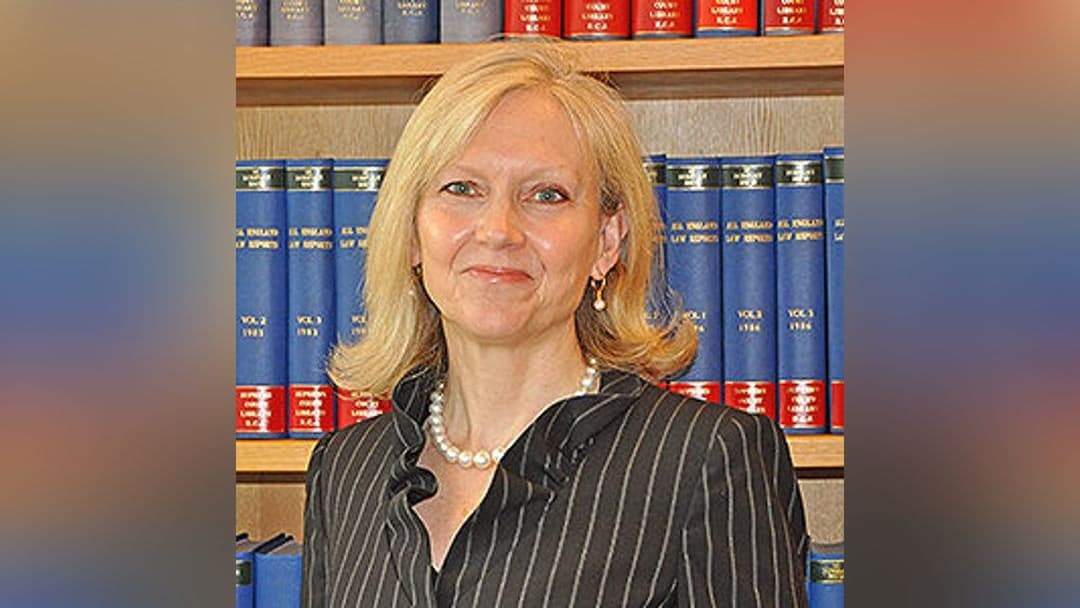
The High Court judge emphasised the importance of expert opinion amid increasing AI utilisation in legal work
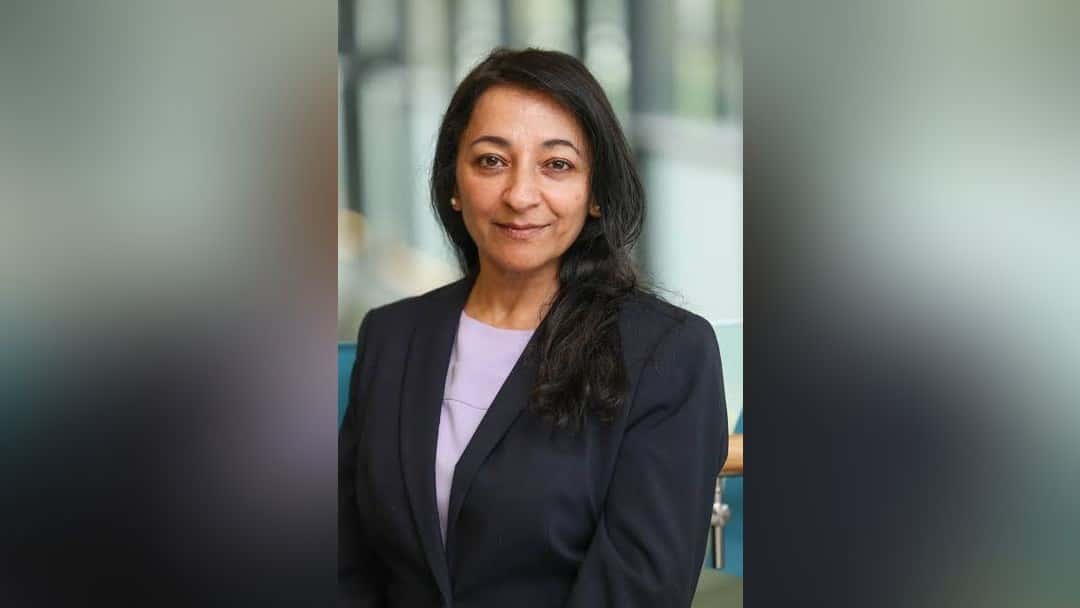
The Bond Solon Expert Witness Conference in London highlighted the vital role of expert opinion amidst the growing use of artificial intelligence (AI) in legal contexts. The Hon. Mrs Justice Joanna Smith KC DBE, a senior High Court judge, addressed attendees with significant insights regarding the interplay between AI and expert evidence. She stressed that regardless of how AI is integrated into the preparation of expert testimony, the responsibility ultimately lies with the expert.
Mrs Justice Smith, who serves as Deputy Chair of the Civil Justice Council’s Working Group, introduced a report that aims to establish a framework for the responsible use of AI by legal practitioners when preparing court documents. She stated “The advent and rapid development of AI has not changed, and will not change, these duties. The obligations of independence, objectivity, transparency and professional competence remain exactly the same as they were before the emergence of AI.”
During her keynote, she elaborated that the critical question surrounding AI usage is not whether it should be employed, but “how experts can use these tools responsibly, safely and in a manner consistent with their obligations to the court.” The recent Bond Solon and Law Society Gazette Expert Witness Survey 2026 revealed a noteworthy trend: 45% of expert witnesses are now utilizing AI for generating reports and preparing expert evidence, signifying an increase from previous years.
Despite the growing trend, there are evident concerns regarding reliance on AI. The largest apprehension relates to potential over-reliance on technology at the cost of professional judgement, along with anxieties surrounding AI-generated inaccuracies and bias. While experts acknowledge the benefits AI can provide, they remain cautious about its impact on their professional standards. A substantial 70% of the survey respondents expressed the need for improved transparency, advocating for the disclosure of AI's role in report preparation, although only a minimal percentage felt that existing regulations adequately address these concerns.
Mrs Justice Smith concluded with a decisive assertion, stating “AI is a tool. Much as we may be prone to anthropomorphise it, AI is not an expert and should not be a substitute for expert opinion. Responsibility will always remain with the expert witness. Ultimately, as I hope I have shown, transparency, verification and professional judgment are essential safeguards and should be your guiding principles.” This message underscores the belief that human expertise remains irreplaceable, even as technology continues to advance in the legal field.
 Copyright & permissions