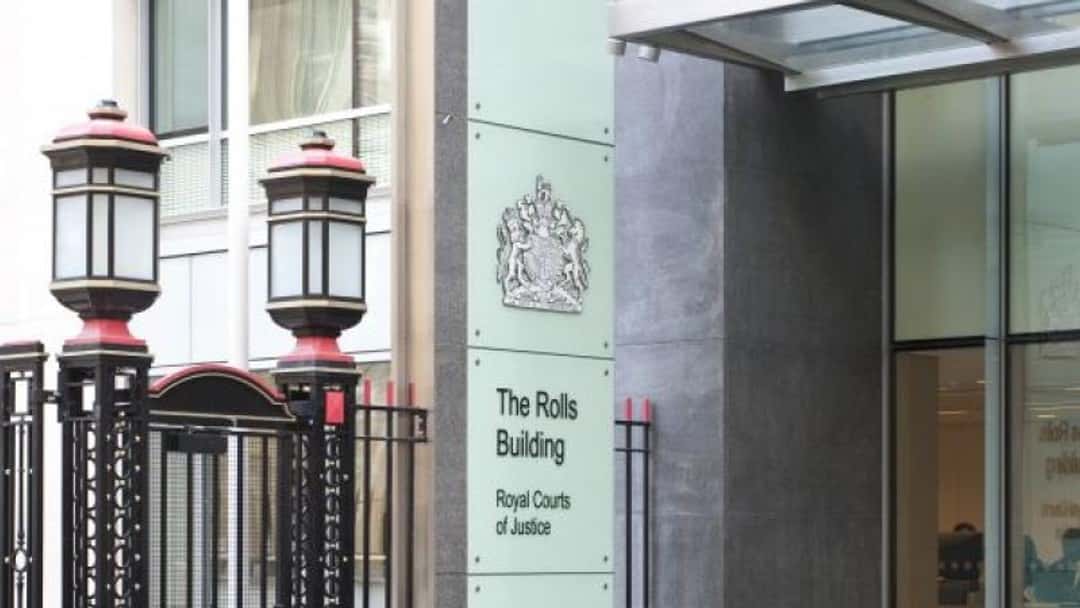
AGA Rangemaster v UK Innovations: trade mark exhaustion and conversion services
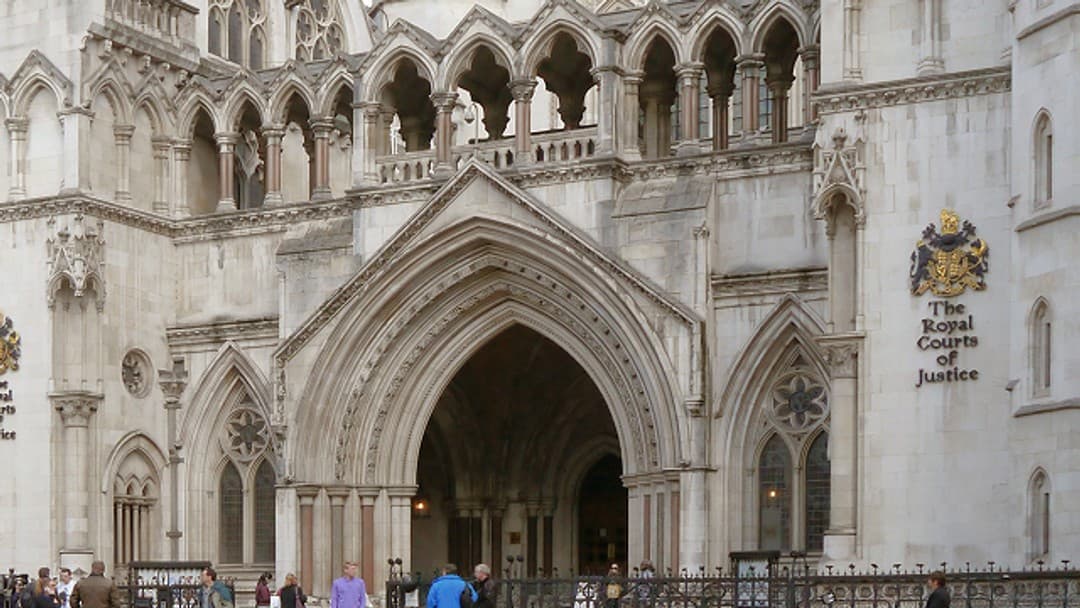
Court of Appeal upholds finding that reseller's marketing created false impression of commercial connection with trade mark proprietor.
The Court of Appeal has dismissed an appeal in AGA Rangemaster Group Ltd v UK Innovations Group Ltd [2025] EWCA Civ 1622, confirming that a trade mark proprietor has legitimate reasons to oppose further dealings in goods where the reseller's marketing activities create a false impression of commercial connection, despite the goods having been lawfully put on the market.
UK Innovations Group Ltd (UKIG) acquired old AGA cookers originally running on fossil fuels, refurbished them, and converted them to run on electricity using its proprietary "eControl System". AGA Rangemaster brought claims for trade mark infringement and copyright infringement. The first instance judge found in favour of AGA on the trade mark claim, which formed the basis of UKIG's appeal.
UKIG accepted that its activities fell within section 10 of the Trade Marks Act 1994 but argued that the exhaustion defence under section 12 applied. Section 12(1) provides that a registered trade mark is not infringed by use in relation to goods previously put on the market by the proprietor. However, section 12(2) removes this defence where there exist legitimate reasons to oppose further dealings, particularly where the condition of goods has been changed or impaired.
The Court identified three established situations where legitimate reasons to oppose might arise: impairment or change to the condition of goods; damage to reputation; and creation of an impression of commercial connection. The first instance judge rejected UKIG's defence based on the third ground, finding that UKIG's marketing materials, particularly its website and invoices, were likely to give customers the false impression that the "eControl AGA" was a product within AGA's range or that the conversion service was provided by AGA.
UKIG's principal ground of appeal challenged the legal test applied by the judge, arguing that he had incorrectly imported the "with difficulty" test from Portakabin Ltd v Primakabin BV (Case C-558/08), which was specifically designed for keyword advertising cases under Google France SARL (Joined Cases C-236-08 to C-238/08). Sir Colin Birss C, delivering the lead judgement, acknowledged this error but found it immaterial, as the judge had ultimately concluded that the marketing was likely to create a false impression of connection, rather than merely finding that customers would have difficulty ascertaining the absence of connection.
The Court rejected UKIG's submission that the relevant connection must be limited to a connection between undertakings, rather than products. Drawing on Viking Gas A/S v Kosan Gas A/S (Case C-46/10), Sir Colin Birss noted that legitimate reasons to oppose could arise from false impressions about either commercial relationships or the origin of components or services.
UKIG's challenge to the factual findings also failed. The Court held that the judge was entitled to conclude that composite terms such as "eControl AGA" and "AGA eControl" would lead customers to believe these were products within AGA's range, particularly given that AGA marketed products with similar naming conventions. The judge had properly considered that these were expensive purchases involving careful consideration, but noted the absence of evidence showing that UKIG's sales process corrected the false impression created by its marketing materials.
On AGA's cross-appeal concerning copyright infringement, Arnold LJ held that the control panel was not a "graphic work" within the meaning of section 4 of the Copyright, Designs and Patents Act 1988. While the panel incorporated graphic elements, viewed as a whole it was primarily a functional object. The question of whether section 51 of the 1988 Act was incompatible with EU law following Cofemel (Case C-683/17) was left undecided as academic, given that any incompatibility could not be remedied through interpretation.
 Copyright & permissions