A v E: High Court rejects challenge to LCIA award based on unilateral arbitration clause in a deed
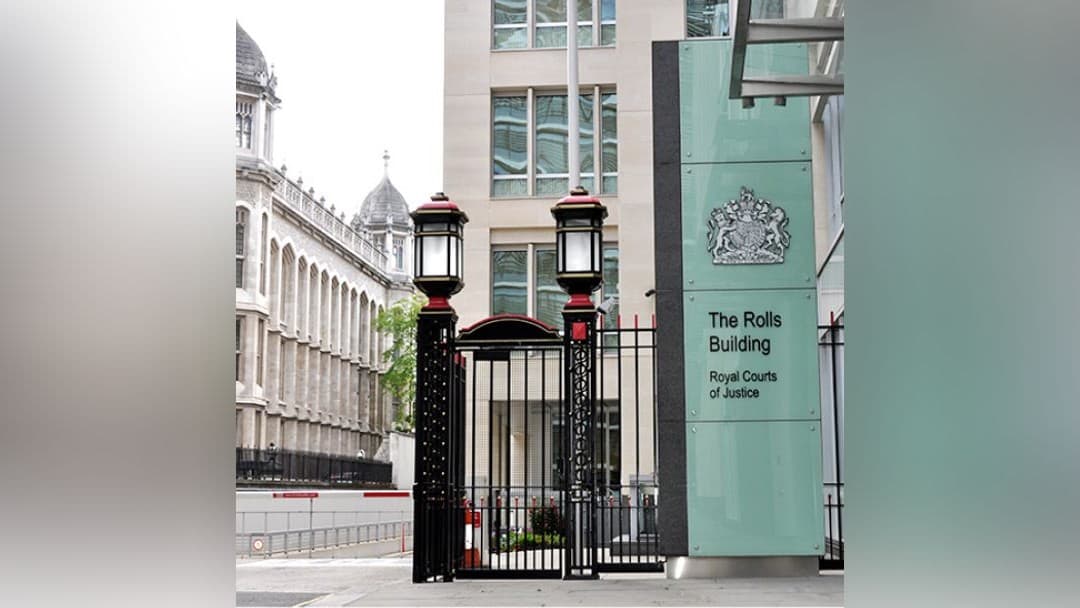
High Court upholds LCIA tribunal jurisdiction based on unilateral arbitration clause in a deed.
The High Court has rejected applications under sections 67 and 68 of the Arbitration Act 1996 against an LCIA partial final award, holding that a unilateral right to refer disputes to arbitration contained in a deed is an arbitration agreement.
In A and others v E [2026] EWHC 2590 (BP), Nigel Cooper KC, sitting as a deputy High Court judge, heard the case in private and gave an anonymised judgement, citing the confidentiality of arbitration and the reputational sensitivity of a dispute within a prominent family. E, the parent of a private group, had obtained declarations, injunctions and accounting relief from a three-member tribunal against four family members who held shares in its foreign subsidiaries. The tribunal accepted that they held those shares as nominees, and that one claimant had withdrawn large sums from the subsidiaries.
The claimants' jurisdictional case centred on a 2021 deed confirming the nominee arrangement, clause 4 of which gave E the right to refer disputes to LCIA arbitration. They argued that the clause lacked mutuality, that the deed was subject to unmet conditions precedent, and that the tribunal exceeded its jurisdiction by reaching pre-deed matters and the withdrawals and salaries. The section 67 challenge proceeded by way of full rehearing, but the judge said he was not required to ignore the award. The claimants called no witnesses, so he placed significant weight on the contemporaneous documents and on the tribunal's assessment of the principal witness.
On mutuality, the judge accepted that an agreement to arbitrate can be unilateral, citing Pittalis v Sherefettin and Anzen v Hermes One. Sections 5 and 6(1) use the word "agreement" rather than "contract", and the only formal requirement is writing. Construing the Act to exclude a binding unilateral promise made by deed would serve no legislative purpose and sit uneasily with the principle that agreements must be kept, as expressed in Unicredit v RusChem. He added that, even if bilaterality were required, the deed evidenced a bilateral agreement reached in exchanges before signature, satisfying section 5(2)(c).
The deed was unconditional on its face, and the judge found that the contemporaneous documents did not support the alleged escrow and good faith conditions. A meeting note recorded the principal claimant's intention to sign "no ifs and buts", and his collateral case had changed through several iterations. The judge drew an adverse inference from the failure to call him, applying Efobi v Royal Mail. Even if conditions had existed, the arbitration agreement was separable under section 7, and no exceptional circumstances of the kind identified in Fiona Trust arose. Hyundai Merchant Marine was distinguished as a case where there was no consensus on the arbitration agreement itself.
The excess of jurisdiction arguments also failed. The tribunal had confined itself to the deed, using pre-deed materials only to test the clause 1 confirmation that the shares had always been held as nominee, and had limited its first declaration to the deed's effect. The words "any dispute or claim arising in relation to this Deed" were wider than those in Fiona Trust, and the deed's subject matter, the past and present relationship between the parties, covered disputes over withdrawals and salaries, particularly given a pledge signed at the same time.
The section 68 application concerned a glossary definition of the foreign subsidiaries, which the claimants said was broad enough to catch entities they owned outside the group. The judge read the definition against the request for arbitration and the agreed list of issues and found no ambiguity. He also found no substantial injustice in light of E's undertaking to enforce only on the narrower basis. The claimants said the undertaking would not be enforceable in the relevant foreign jurisdiction, but the judge had no good evidence of that. Any ambiguity could in any event be addressed under section 57, in which E said it would join.
Both applications were refused, and the parties were asked to agree a final order.
 Copyright & permissions