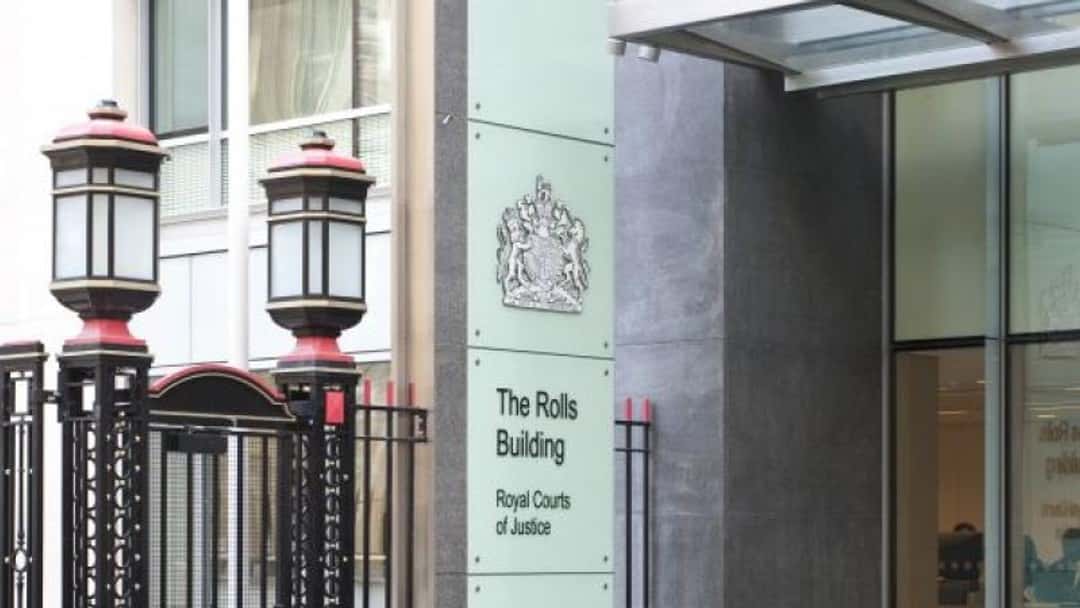
Williams v Information Commissioner: NCND policy upheld for asylum accommodation locations

Tribunal confirms Home Office entitled to neither confirm nor deny holding information about asylum seeker transport to protect vulnerable individuals.
The First-tier Tribunal has dismissed an appeal challenging the Home Office's refusal to confirm or deny whether it holds taxi invoices relating to asylum seeker accommodation, finding that disclosure would likely endanger the physical and mental health of vulnerable individuals.
Edward Williams requested the three most recent invoices for taxis transporting asylum seekers to and from a specific hotel. The Home Office initially refused under section 12(2) FOIA (cost limits), then subsequently relied on section 38(2) FOIA, neither confirming nor denying (NCND) whether it held the requested information on health and safety grounds.
The Commissioner's decision notice supported the Home Office's position, finding that confirmation or denial would necessarily reveal whether the site accommodated asylum seekers, potentially exposing individuals to threats and harassment. The tribunal was required to determine whether this NCND response was lawful.
Engagement of the exemption
The tribunal accepted that confirmation or denial would effectively confirm whether the site was used for asylum accommodation. Evidence from Tim Rymer, Deputy Director for Adult and Family Accommodation, detailed numerous incidents of harassment, assault, and threats against asylum seekers and staff at accommodation sites between 2023 and 2025, including attacks during the summer 2024 riots.
The tribunal found a clear causal link between official Home Office confirmation and likely endangerment. Whilst confirmation would not directly cause harm, it would indirectly lead to dangerous action by hostile individuals. Official government confirmation was qualitatively different from press speculation or other sources, carrying ultimate authority that would likely embolden those inclined to target such sites.
The tribunal rejected the appellant's argument that a Crown Court judge's sentencing remarks identifying the site were binding, clarifying that such remarks did not constitute findings of fact relevant to FOIA proceedings. Similarly, the tribunal found that Mr Rymer's evidence did not amount to official confirmation of the site's use.
Public interest balancing
The tribunal assessed the public interest as at 17 October 2023, when the request was initially refused. Whilst acknowledging legitimate public interest in transparency regarding asylum accommodation arrangements, particularly their impact on local communities, the tribunal found this substantially outweighed by competing interests.
The tribunal accepted evidence that the NCND policy represents the simplest and most effective risk mitigation tool available to the Home Office. Confirmation would likely stimulate dangerous activity at identified sites, threatening both asylum seekers—some extremely vulnerable—and staff and police working there.
The tribunal noted that general transparency regarding asylum accommodation is achieved through published frameworks, guidance documents, independent inspections, and parliamentary scrutiny. These mechanisms provide accountability without endangering individuals at specific locations.
The tribunal emphasised the inherent public interest in enabling the Home Office to fulfil its statutory duty to accommodate destitute asylum seekers whilst protecting them from harm. Undermining the NCND policy would likely render certain accommodation types, particularly hotels lacking physical fortification, unusable due to safety concerns, thereby reducing available accommodation options.
Wider implications
The decision confirms that public authorities may maintain consistent NCND positions even where some information about sites has entered the public domain through unauthorised disclosures or exceptional circumstances. The tribunal found that isolated departures from policy—such as leaked correspondence—did not invalidate the general approach or create binding precedents.
The appeal was dismissed unanimously, with the tribunal satisfied that the Decision Notice accorded with the law.
 Copyright & permissions