WH Holding Limited v London Stadium LLP: Court of Appeal upholds expert determination on stadium overage clause
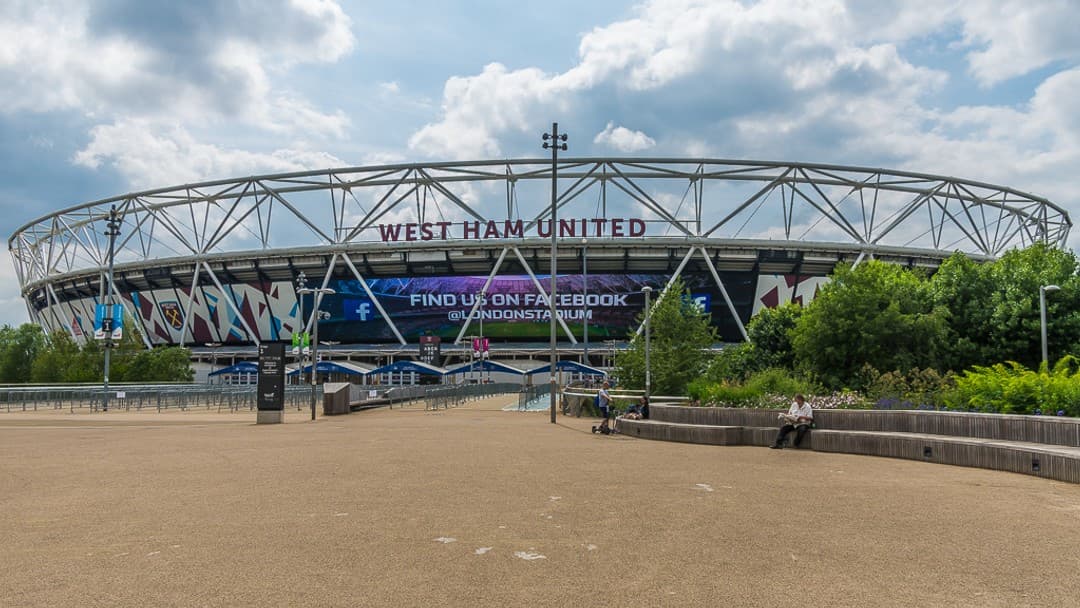
The Court of Appeal reverses a High Court finding that an expert determination contained manifest errors.
The Court of Appeal has allowed an appeal in WH Holding Limited v London Stadium LLP [2026] EWCA Civ 153, holding that an expert determination relating to a "Stadium Premium Amount" under a 99-year concession agreement was valid and binding, notwithstanding the High Court's contrary conclusion.
The dispute arose from a 2021 transaction in which 1890 Holdings AS acquired a 27% stake in WHH, the entity owning West Ham United Football Club. That transaction comprised two linked elements: the purchase of 187 shares from Relevant Shareholders for approximately £25.8 million, and the grant of a call option over a further 1,022 shares in exchange for an £18 million premium. The central question was whether those elements constituted a single Qualifying Transaction under the Agreement, and whether the £18 million option premium fell to be included in the calculation of the Stadium Premium Amount payable to E20 (formerly London Stadium LLP).
The Expert, Terence Mowschenson KC, determined that there was one Qualifying Transaction and that both the share sale and the option fell within the calculation, producing a Stadium Premium Amount of £6,132,541.65 — some £3.6 million more than WHH had paid. Paul Mitchell KC, sitting as a Deputy High Court Judge, found that determination to be affected by manifest error on two grounds: first, that the Expert had in effect read "or" in the definition of Consideration as "and", thereby blending two extrapolated valuations; and secondly, that the share purchase and the option could not properly be treated as a single Qualifying Transaction at all. The Judge characterised the errors as ones admitting of no difference of opinion.
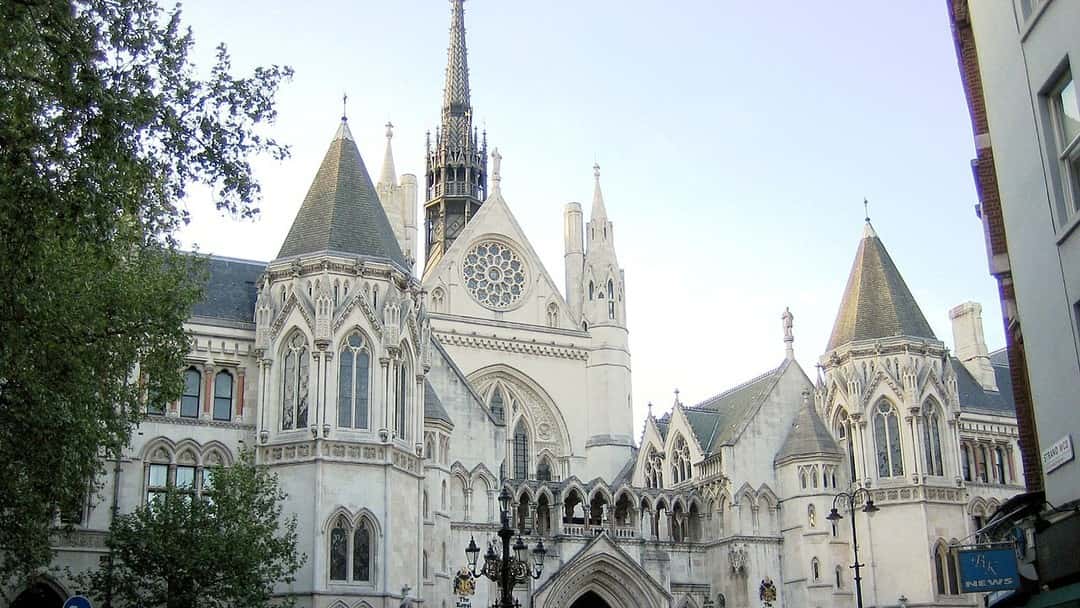
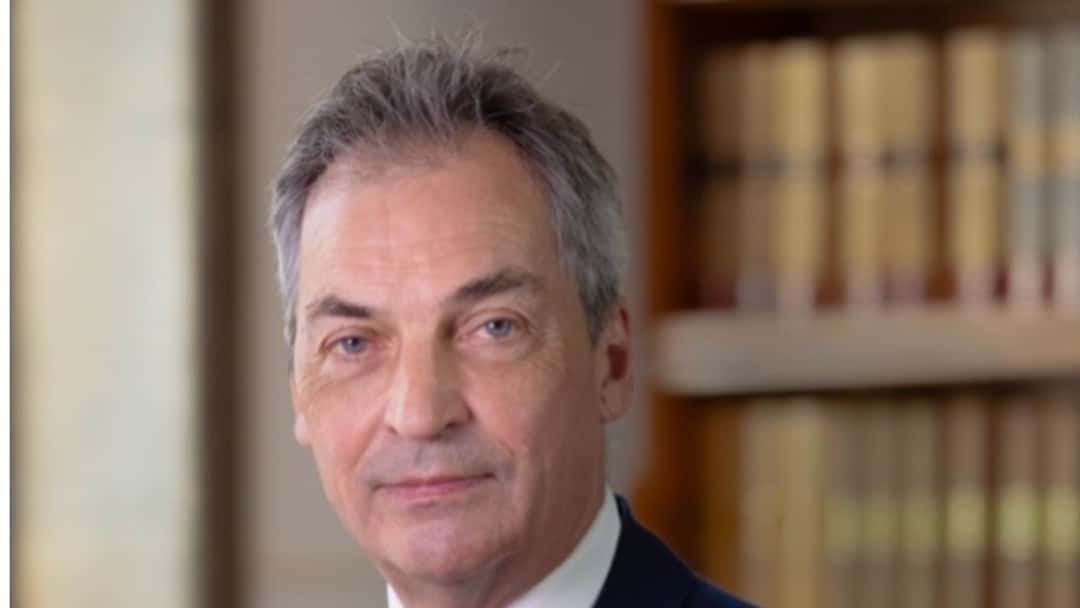
The Court of Appeal, in a judgement delivered by Lord Justice Phillips (with Lady Justice Falk and Lord Justice Zacaroli agreeing), rejected that analysis. The court affirmed the established test for manifest error — an oversight or blunder so obvious and obviously capable of affecting the determination as to admit of no difference of opinion, demonstrable without extensive investigation — as confirmed by the Supreme Court in Sara & Hossein Holdings Ltd v Blacks Outdoor Retail Ltd [2023] UKSC 2.
Applying that test, the Court of Appeal concluded that the Expert's reasoning was arguable at each step. The definition of Qualifying Transaction was broad enough to encompass a linked share sale and option agreement. The word "or" in the definition of Consideration was arguably capable of addressing different components of a single transaction rather than operating as a strict disjunctive. The Expert had also been entitled to have regard to the commercial purpose of the overage provision — to ensure E20 shared in value realised by Relevant Shareholders above the threshold.
Whilst acknowledging the force of WHH's arguments and noting it might itself have reached a different interpretation, the court held that the Expert's starting point and subsequent analysis were not so obviously wrong as to preclude a difference of opinion. An arguable error, however well-founded, cannot meet the manifest error threshold.
The judgement also addresses the procedural framework for manifest error challenges, confirming that adversarial argument is entirely permissible in such proceedings and that a two-stage enquiry — error, then obviousness — is an appropriate analytical approach.
 Copyright & permissions

.jpg&w=3840&q=60)
-cropped-6au25meu.jpg&w=3840&q=60)



.JPEG&w=3840&q=60)