
UK defies Aarhus Convention compliance
By Carol Day
The Government’s rejection of compliance findings raises fundamental concerns about environmental justice, accountability, and the rule of law
The UK government’s refusal to endorse a UN decision requiring it to comply with an international agreement called the Aarhus Convention in late 2025 raises serious questions about its commitment to the environment and the rule of law.
The Aarhus Convention, under the auspices of the UNECE, was signed was signed in Aarhus, Denmark in 1998. The UK is one of 48 Parties to the Convention, the aim of which is to ensure that everyone, regardless of social or economic status, is adequately equipped to protect the environment. It seeks to do this by setting minimum standards around “participatory rights” including access to information, public participation in decision-making and access to justice in environmental matters.
The Aarhus Convention and the UK’s obligations
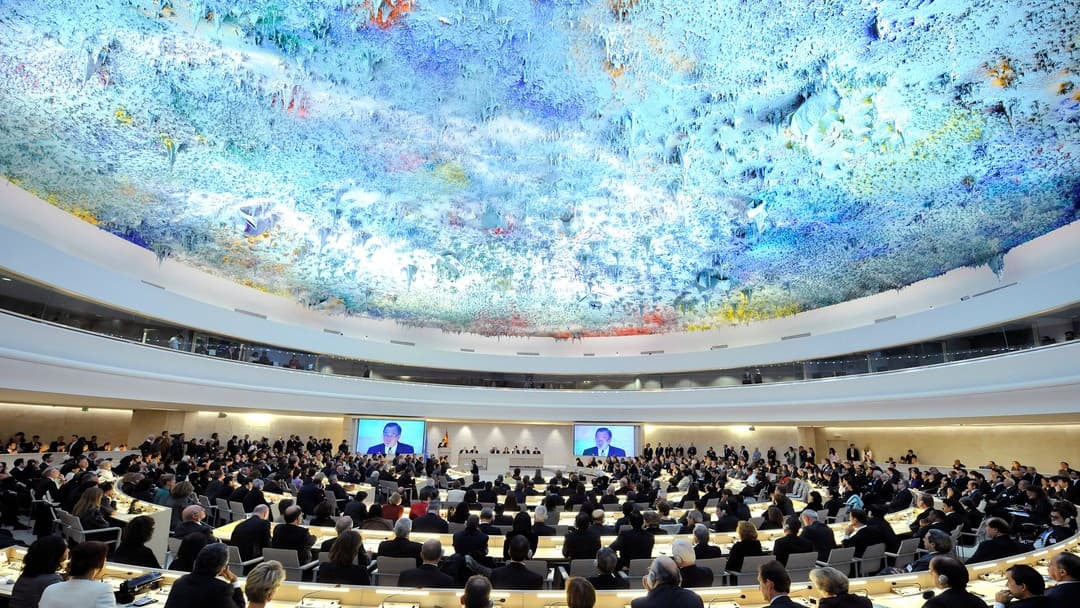
The Eighth Meeting of the Parties (MOP) to the Convention was held in Geneva in November 2025. Prior to this meeting, the UK had indicated that it would refuse to endorse findings by the body within the Convention responsible for reviewing and facilitating compliance, the Aarhus Convention Compliance Committee (ACCC). The findings criticised the UK’s failure to ensure the public is routinely consulted on draft environmental legislation. But on the morning of the meeting, the Government stated it would also refuse to endorse findings concerning a long-running complaint on the prohibitively high costs of legal action – an ongoing state of affairs that risks legal action on the environment remaining beyond the reach of many people.
To make matters worse, the UK’s opening position was that the endorsement of all the Compliance Committee’s findings in respect of all parties should be postponed until the next MOP in four years’ time. Had this proposal been accepted, it would have represented a significant and retrospective change of the rules of procedure of the Convention. The UK position was met with surprise and consternation, including by members of the Compliance Committee. Such was the magnitude of this proposal that both the chair of the ACCC, Professor Áine Ryall, and Dame Eleanor Sharpston, current Committee member and former Advocate General of the Court of Justice of the European Union, felt compelled to make statements reminding the parties about fundamental commitments of the rule of law. As Dame Eleanor put it: ‘on an ordinary view of the rule of the law, you change the rules for the future, you do not retrofit them…’
Accountability and scrutiny
Quite apart from the wider significance of the UK proposing retrospective changes to collective rules which govern procedures under the Convention, its refusal to endorse the findings of the Compliance Committee represents an unwillingness to hold themselves accountable to external and independent scrutiny. This reflects a pattern echoed in the ongoing discussion of whether the UK should leave the European Convention on Human Rights.
One of the most important features of the ACCC is that it is a facilitative body, not a judicial one. Its findings represent a high quality and deeply considered analysis of parties' obligations under the Convention, and it aims to serve parties as well as provide members of the public with a forum to consider perceived breaches of their environmental rights under the Convention.
 Copyright & permissions
-cropped-6au25meu.jpg&w=3840&q=60)


.JPEG&w=3840&q=60)