Tucker v Howe: Section 71(3) assessment and personal liability for costs
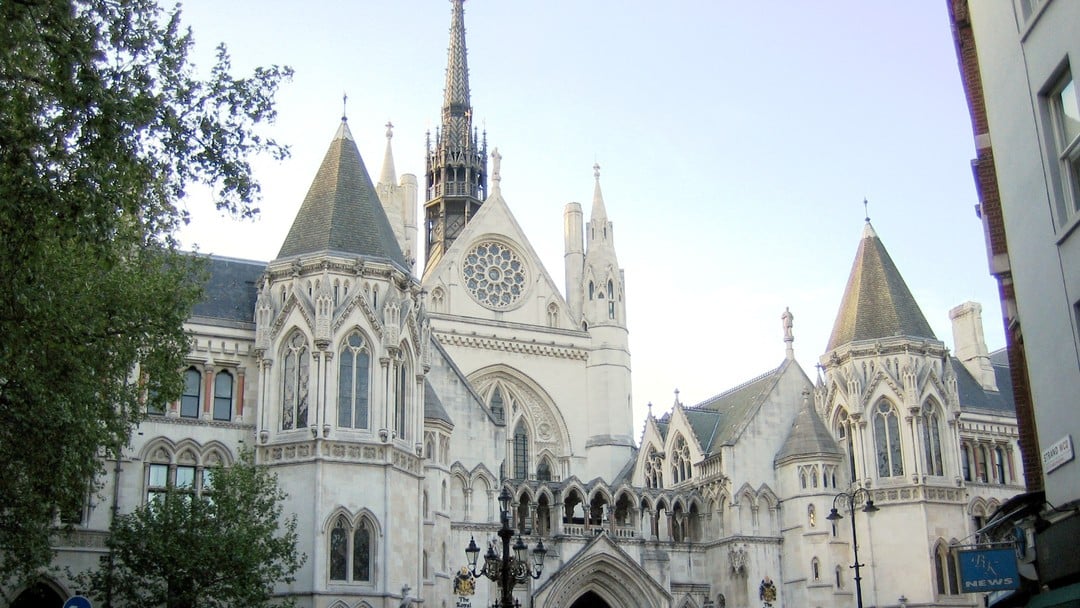
Court clarifies who pays assessment costs and VAT recovery for administrators in probate disputes.
This case concerning the estate of Roger Steven Howe clarified crucial principles about costs liability in detailed assessments under section 71(3) of the Solicitors Act 1974 and the circumstances in which VAT becomes recoverable.
Statutory framework and procedural context
Section 71(3) differs materially from section 71(1) assessments. Where a trustee, executor or administrator has become liable to pay a solicitor's bill, the court may order assessment "on such terms, if any, as it thinks fit". As Kenig v Thomson Snell & Passmore LLP [2024] EWCA Civ 15 explained, applications by beneficiaries under section 71(3) may raise more extensive issues than those under section 71(1), as beneficiaries may have independent interests requiring consideration.
Mr Howe died on 27 March 2020. His daughter Jenna challenged the will, prompting two residuary beneficiaries appointed as executrices to initiate probate proceedings. On 16 October 2020, HHJ Pearce appointed Mark Keeley, a solicitor and partner in Freeths LLP, as administrator pending suit, authorising him to charge reasonable professional fees. In that capacity, Mr Keeley instructed Freeths to undertake the necessary legal work.
The probate claim was compromised in December 2021. On 21 February 2023, District Judge Woodward made a consent order providing for a section 71(3) assessment if costs remained ungreed.
The assessment proceedings
The bill totalled £147,436.33, divided into 12 parts. The assessment consumed nine days across three hearings—extraordinarily protracted for a bill of this size. The delay stemmed largely from the claimants' 67-page Points of Dispute, which accused Mr Keeley of failing to protect the estate and characterised costs as systematically overcharged, using "staggering" 54 times and "astonishing" 17 times. None of this hyperbolic rhetoric proved justified.
The bill was ultimately assessed at £129,686.76 (just below 88% of the sum claimed). Finding the claimants' conduct unreasonable to a high degree, Costs Judge Leonard ordered them to pay the costs of assessment on the indemnity basis, assessed at £132,400 exclusive of VAT.
Personal liability for assessment costs
With the estate having become insolvent following an Insolvency Administration Order on 23 July 2025, determining whether the estate or the claimants personally bore the assessment costs became critical.
The claimants contended that in section 71(3) assessments, the estate's interest is paramount, and that they had acted as executrices consistent with fiduciary duties. The court rejected this analysis. Section 71(3) does not empower the court to order assessment on an executor's application. Rather, it permits such orders on application by any person interested in property from which the executor has paid, or may pay, the bill—here, the beneficiaries.
The claimants had wanted and vigorously pursued a section 71(3) assessment, not in their capacity as executors (which section 71(3) does not allow) but as beneficiaries. The costs therefore fell to them personally. Otherwise, the estate and potentially non-participating beneficiaries would bear the burden of unnecessary costs incurred through the claimants' actions.
VAT recovery
The claimants argued that solicitors acting for themselves in contentious business matters cannot recover VAT, as self-supply is not a taxable supply. The court held there was never any real issue about Mr Keeley's VAT entitlement. He and Freeths LLP are separate entities capable of contracting. VAT applies to Freeths' charges in the usual manner. Mr Keeley's administrator services were supplied to the estate, with Freeths billing accordingly. For the assessment itself, Mr Keeley was represented by counsel instructed by Freeths, creating a liability to the firm upon which VAT properly attached.
 Copyright & permissions