Trial date set in Pfizer lawsuits
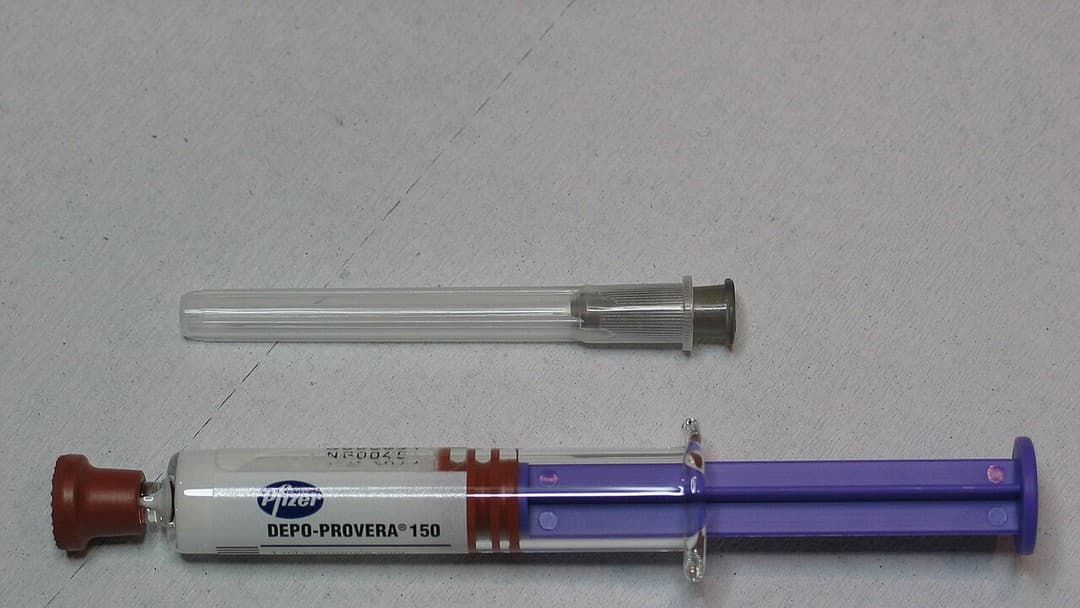
Women suing Pfizer over Depo-Provera's connection to brain tumours see litigation intensify with FDA warnings
Pfizer Inc., the global pharmaceutical company known for its contraceptive injection Depo-Provera (DMPA), is now embroiled in a significant Multidistrict Litigation (MDL No. 3140) in the USA. This MDL is being pursued on behalf of over 2,100 women who have developed intracranial meningiomas, a specific type of brain tumour, allegedly due to their use of Depo-Provera. The number of lawsuits has surged fivefold since May, highlighting growing concerns about the contraceptive's safety and Pfizer's failure to warn about potential risks.
The FDA recently approved changes to the warning label for Depo-Provera, now including information about the risk of developing brain tumours. The decision came shortly after a Case Management Conference presided over by Judge M. Casey Rodgers, which established the first trial date for December 2026. Virginia Buchanan, a partner at Levin Papantonio and co-chair of the Plaintiffs’ Executive Committee, expressed optimism, saying that “women around the country are a few steps closer to demanding the accountability from Pfizer that they deserve.”
Since a critical study published in March 2024 in the British Medical Journal, which indicated that women using Depo-Provera for over a year are 5.6 times more likely to develop a meningioma, legal actions against Pfizer have multiplied. With 74 million women globally estimated to be using this contraceptive method, the implications of these findings extend well beyond American borders, prompting investigations into potential class actions in Europe, Canada, Australia, and South Africa.
Levin Papantonio, the law firm responsible for managing this MDL, has a proven track record in holding corporations accountable for harmful products, having previously secured over $80 billion in verdicts and settlements against major companies. The firm asserts that despite long-standing knowledge of the risks associated with Depo-Provera, Pfizer failed to provide adequate warnings to both women and healthcare professionals.
The uptick in lawsuits reflects not only the personal hardships faced by these women but also the seriousness of the allegations against Pfizer. A striking statistic indicates that around 2% of Depo-Provera users may develop brain tumours, a devastating potential outcome given the contraceptive’s widespread use.
As the litigation unfolds, it invokes a deeper scrutiny of regulatory oversight, especially regarding the FDA's previous failure to mandate similar warning labels in the past. A historical overview reveals a troubling journey for Depo-Provera, which originated in the 1950s primarily for cancer treatment before being marketed as a contraceptive, despite earlier indications of cancer risk.
With ongoing studies confirming links between Depo-Provera and elevated meningioma risks, the legal claims against Pfizer seem increasingly substantiated. As litigation progresses, the outcomes could reshape not only the future of Depo-Provera but also standards of accountability within the pharmaceutical industry.
 Copyright & permissions