

Solong v Samskip: High Court rules on "such loss" in landmark limitation judgement
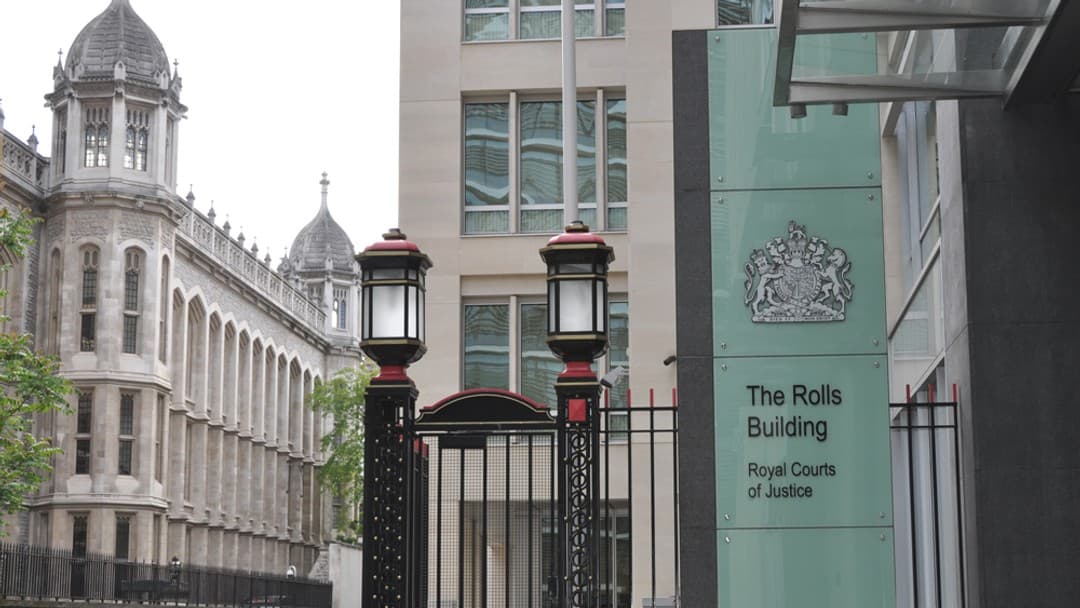
Owners entitled to limit liability after Humber collision; Article 4 defence struck out
The Admiralty Court has handed down a significant judgement clarifying the meaning of "such loss" under Article 4 of the 1976 Convention on Limitation of Liability for Maritime Claims, following the fatal collision between the container vessel Solong and the tanker Stena Immaculate on 10 March 2025.
Mr Justice Andrew Baker struck out the Article 4 defence advanced by the owners and demise charterers of Stena Immaculate (the Stena Interests), holding that it disclosed no reasonable basis for resisting the right to limit. A general limitation decree was granted in favour of Solong's owners.
The collision
At 09:46 hrs UTC on 10 March 2025, Solong, a small 820 TEU container ship, struck the laden tanker Stena Immaculate as she lay at anchor off the Humber coast carrying over 220,000 barrels of jet fuel. The vessel had been on a direct collision course for approximately 36 minutes, during which no evasive action was taken. The collision killed able seaman Mark Pernia, whose body was never recovered. On 2 February 2026, the master, Captain Vladimir Motin, was convicted of gross negligence manslaughter at the Central Criminal Court.
The meaning of "such loss"
The central legal question was whether "such loss" in Article 4 refers to the specific loss that occurred, or to loss of the general type that resulted. Owners argued for the narrower interpretation, contending that the Stena Interests would need to prove knowledge that a collision with Stena Immaculate specifically would probably result. On that basis, the Article 4 defence was plainly unarguable and should be struck out at the threshold.
Baker J rejected that construction. Applying Articles 31 and 32 of the Vienna Convention on the Law of Treaties 1969, and taking into account IMO Resolution A.1164(32), the Unified Interpretation Resolution adopted unanimously at the 32nd IMO Assembly Session in December 2021, the judge held that "such loss" means "that type of loss." The Resolution, he found, constitutes a subsequent agreement between state parties within the meaning of Article 31.3(a) of the Vienna Convention and is therefore authoritative as part of the primary interpretive exercise.
The judge declined to follow Lord Phillips MR's obiter preference in The Leerort [2001] for the narrower reading, noting that it predated the Resolution and did not engage with the connection between Article 4's threshold and the boundary of marine insurability. That connection, drawn explicitly in the travaux préparatoires to the 1976 Convention and confirmed in the Resolution, points firmly towards a "type of loss" construction. A reading that made limitation rights turn on whether an owner happened to know the identity of the particular vessel or cargo in advance would produce arbitrary results with no rational basis in the Convention's object and purpose.
The asserted defence
Having resolved the interpretive question against Owners, Baker J turned to whether the Stena Interests had pleaded a viable Article 4 case. He held they had not. The defence rested on a chain of inferences: that Solong was unseaworthy under Captain Motin's command; that this was known to a directing mind and will of Owners; and that the relevant individual did nothing about it, appreciating that a collision would probably result. Each link in that chain lacked any evidential or pleaded foundation. The allegation that Solong's Designated Person Ashore was necessarily a directing mind and will of Owners was dismissed as unarguable, given the DPA's role as a conduit to management rather than a decision-making function within it.
The judgement also confirms that the right to limit under the 1976 Convention remains, in Baker J's words, "virtually unbreakable," and that speculative pleading accompanied by a hope that disclosure might later provide support cannot sustain an Article 4 defence.
 Copyright & permissions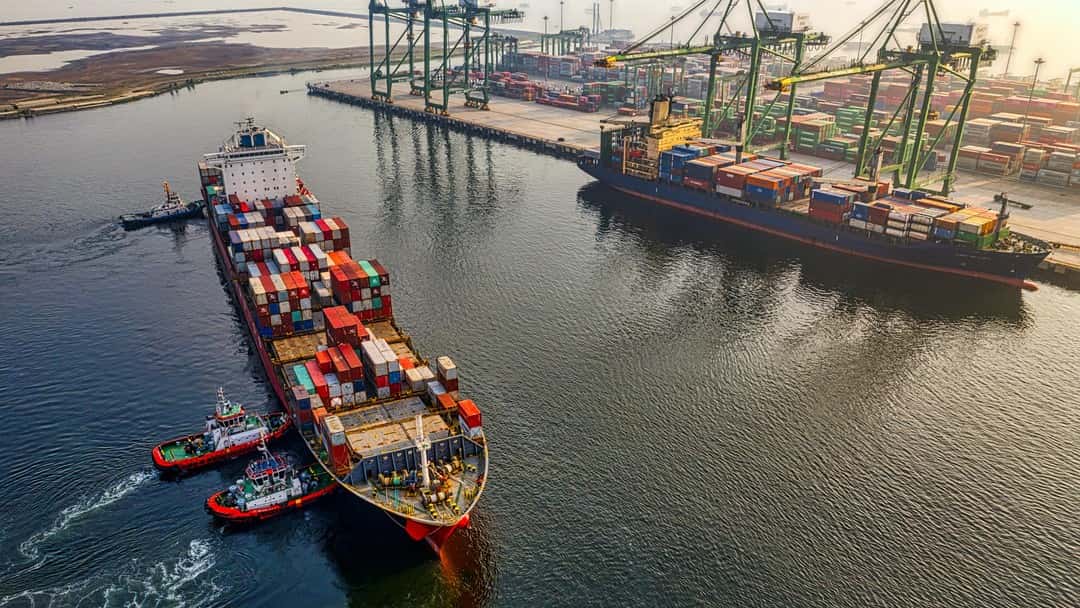









.png&w=3840&q=60)

.jpg&w=3840&q=60)