Rising family court cases highlight crisis
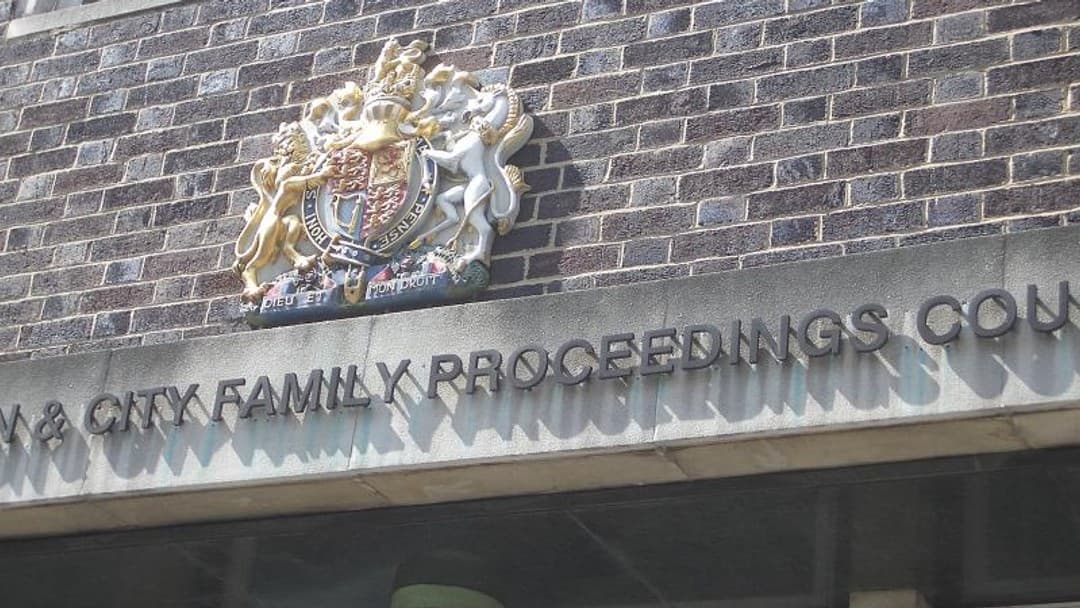
New statistics reveal a concerning increase in family court cases in England and Wales without adequate support
The Law Society of England and Wales has issued a stark warning regarding the state of family justice in the UK, as recent figures indicate a significant rise in cases entering family courts. In 2025, there were 270,474 new cases recorded, marking a 3% increase from the previous year. Notably, trends from October to December 2025 showed sharp increases in private family law and financial remedy cases, with each category rising by 13%. Moreover, domestic abuse cases continued to contribute to the growing backlog with a 4% increase.
The response to these rising figures has been worrying, with an escalating number of individuals representing themselves in court. In 2025, nearly half (47%) of parties in private family law cases appeared without legal representation, a trend exacerbated by the removal of legal aid from most family law matters thirteen years ago. This shift, initiated by the Legal Aid, Sentencing and Punishment of Offenders Act (LASPO), has coincided with mounting delays in court processes, ultimately increasing long-term costs for society at large.
Mark Evans, president of the Law Society of England and Wales, commented on these pressing issues by stating, “These figures tell a clear story. As more families turn to the courts, the need for this vital public service is more apparent than ever. However, too many people are left to navigate complex and emotional court processes alone because of a persistent lack of government investment.” He also expressed concern over ongoing administrative problems with legal aid, which have left survivors of abuse inadequately supported during critical hearings about their children’s futures.
Evans asserted that urgent resolution of these issues is essential to ensure that every child and parent at risk can access justice and receive necessary protection. He urged the government to take action, arguing, “The government must invest in civil legal aid and court resources to provide essential legal support for all communities. That is why we are campaigning to bring family legal aid back from the brink.”
Additionally, he stressed that taking steps to invest in legal aid would help alleviate the immediate pressure on the civil justice system. “Investing now would ease the immediate pressure on the civil justice system and ensure families can access timely legal advice. This is crucial to delivering fair outcomes and upholding the integrity of our justice system,” he concluded.
As the government grapples with these growing challenges, the Law Society’s calls for renewed investment and support within the family justice system grow increasingly urgent, reflecting a situation that demands immediate attention.
 Copyright & permissions
.jpg&w=3840&q=60)

-cropped-6au25meu.jpg&w=3840&q=60)





.JPEG&w=3840&q=60)