Queenscourt v HMRC: KFC dip pots ruled zero-rated as Upper Tribunal rejects composite supply argument
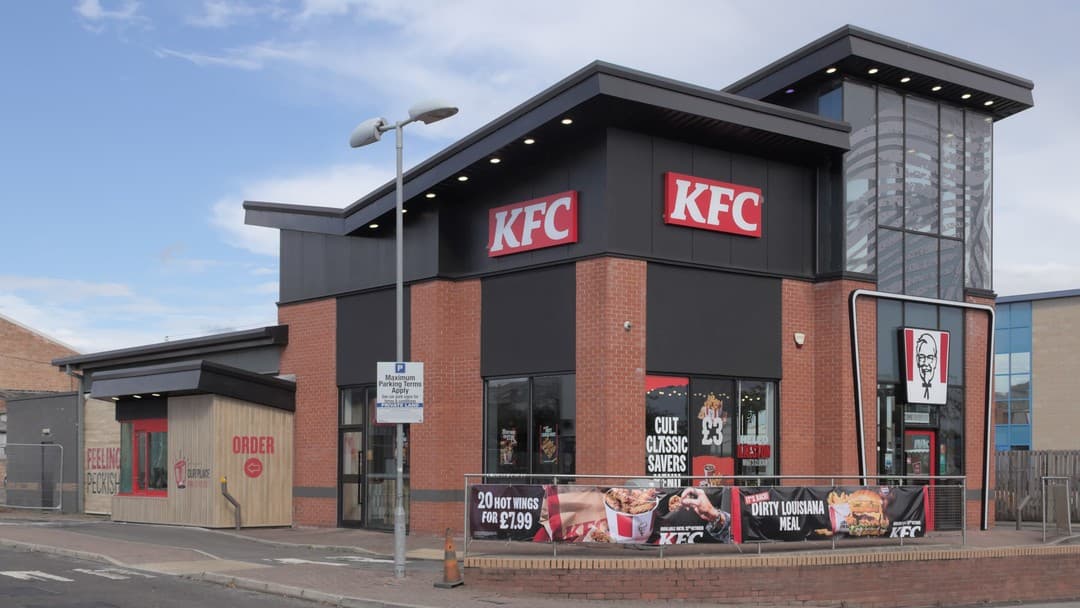
KFC franchisee wins VAT appeal over dip pots included in takeaway meal deals.
The Upper Tribunal (Tax and Chancery Chamber) has ruled in favour of KFC franchisee Queenscourt Limited, holding that dip pots supplied as part of a takeaway meal deal are separate zero-rated supplies for VAT purposes, overturning the First-tier Tribunal's earlier decision that they formed part of a single standard-rated supply of hot food.
Delivered on 19 May 2026 by Mrs Justice Joanna Smith DBE and Judge Mark Baldwin, the judgement resolves a dispute arising from two error correction notices submitted by Queenscourt between 2019 and 2020, through which it sought to reclaim VAT it had previously accounted for on dip pots included in meal deals. HMRC had accepted the first claim before reversing course, issuing a recovery assessment under section 80(4A) of the Value Added Tax Act 1994 and refusing the second claim on the basis that dip pots were ancillary to the hot food in the relevant deals.
The VAT liability question
The central legal question was whether, within a multiple supply transaction, two or more elements can be treated as a single composite supply whilst other elements remain separate. The FTT had concluded there was no reason in principle why this could not be so, finding the dip pots ancillary to the hot food and therefore standard-rated.
The Upper Tribunal disagreed, finding the FTT had made a material error of law. Drawing on the European Court of Justice's decisions in Card Protection Plan and Levob, as well as subsequent CJEU authority, the Tribunal affirmed the foundational principle that every supply must be regarded as distinct and independent unless the transaction as a whole qualifies as a single composite supply under either the principal/ancillary or the single indivisible economic supply analysis. There is no intermediate position.
Since it was common ground that the meal deal constitutes a multiple supply, each component element must be taxed according to its own VAT treatment. Dip pots, being cold food sold at 40p per pot and available for separate purchase, are zero-rated when sold alone. That treatment could not be displaced by treating them as ancillary to the hot food once the multiple supply character of the transaction had been accepted.
The Tribunal declined to remit the matter to the FTT, remaking the decision itself and allowing Queenscourt's appeal in respect of both the refused repayment claim and the recovery assessments.
The public law issue
Queenscourt had argued in the alternative that, even if it lost on VAT liability, HMRC were precluded from recovering the tax already repaid following their initial acceptance of the first error correction notice, relying on legitimate expectation. The FTT had found jurisdiction to consider this argument but concluded the departure was not sufficiently unfair to succeed.
The Upper Tribunal expressed serious reservations about the FTT's jurisdictional analysis, finding that the FTT had erred in following the Upper Tribunal's earlier decision in Zeman without undertaking a conventional purposive construction of the relevant statutory provisions, as required by the more recent MWL International decision. The Tribunal stopped short of finally resolving the jurisdiction question, reserving it for a case where it would be determinative.
On the merits, the Tribunal upheld the FTT's conclusion that HMRC's correction of its earlier error, measured against the duty to collect the correct amount of tax and the need for consistent treatment of taxpayers, did not reach the threshold of conspicuous unfairness required for a legitimate expectation claim to succeed.
With Queenscourt's victory on the primary VAT issue, the public law arguments fell away entirely.
 Copyright & permissions



.jpg&w=3840&q=60)