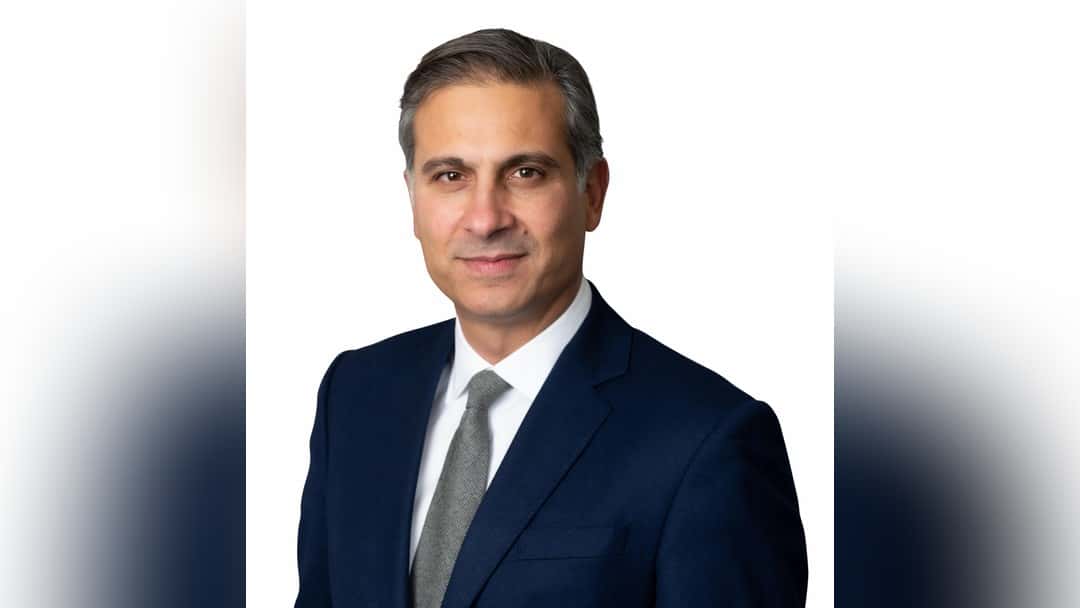

Nick Ephgrave’s SFO: reform, results and uncertainty
Nick Ephgrave’s surprise departure prompts reflection on his reforms, achievements and what lies ahead for the Serious Fraud Office
Serious Fraud Office (SFO) Director Nick Ephgrave’s retirement announcement on January 15 — made halfway through his five-year term and the day after a series of raids and arrests linked to a fraud and bribery investigation into the past management of Home REIT — took many by surprise.
It has understandably prompted observers to review his progress and achievements at the agency and to question what the future now holds for the SFO, given debates in the past about whether it was fit for purpose and whether its function would sit better elsewhere.
Nick Ephgrave was an unexpected successor to Lisa Osofsky back in 2023, primarily due to his background as a career police officer. His status as the first non-lawyer to hold the post of SFO Director was controversial. At the time, there was even suspicion that his appointment may have been to ensure an orderly merger into the National Crime Agency (NCA), an idea that had never entirely gone away since it was known to have been supported by Theresa May when she was Home Secretary as early as 2011.
Over the last two and a half years, Nick has surprised critics and brought new pride and direction to the SFO. This comes after a period of decline that hit its lowest in July 2022, when judicial reviews were published on the SFO’s management of two separate cases. These reviews revealed recurring internal issues such as limited resources, insufficient supervision, problems with legal disclosure processes, and an unhealthy organisational culture. Many believe that, at least from the outside, it has looked like he was doing a good job of getting things back on track.
A vision for transformation
In his first speech as Director in February 2024, Ephgrave set out an ambitious vision and road map for the organisation. He was unapologetic about his background as "a law enforcer" rather than a lawyer and described himself as having a "visceral reaction" to fraud and corporate misconduct, dispelling any suggestion that fraud is a victimless crime. He committed to bringing perpetrators “to justice securely and quickly.”
Pledges included making SFO cases “faster” through rigorous case reviews, introducing "technology-assisted review" using machine learning for disclosure and significantly increasing enforcement activity — all of which have seen some follow-through. Even at the time of the speech, he could already proudly boast of more dawn raids in his first three months than in the previous three years and he was astute in courting publicity for such when he invited the media to oversee a raid operation in real time. He showed himself to have a modern touch and to be very serious about improving the SFO's reputation and impact on the public.
His approach brought a refreshing directness to the role. Where previous directors might have emphasised legal technicalities, Ephgrave spoke plainly about the human cost of fraud, highlighting cases affecting 40,000 individuals and pensioners losing life savings. This victim-focused narrative resonated with the public and helped rebuild confidence in the agency's mission.
 Copyright & permissions