Navjot Sidhu KC v Bar Standards Board: High Court upholds disbarment for sexual misconduct
Senior barrister's appeal against disbarment rejected following findings of professional misconduct during mini-pupillage.
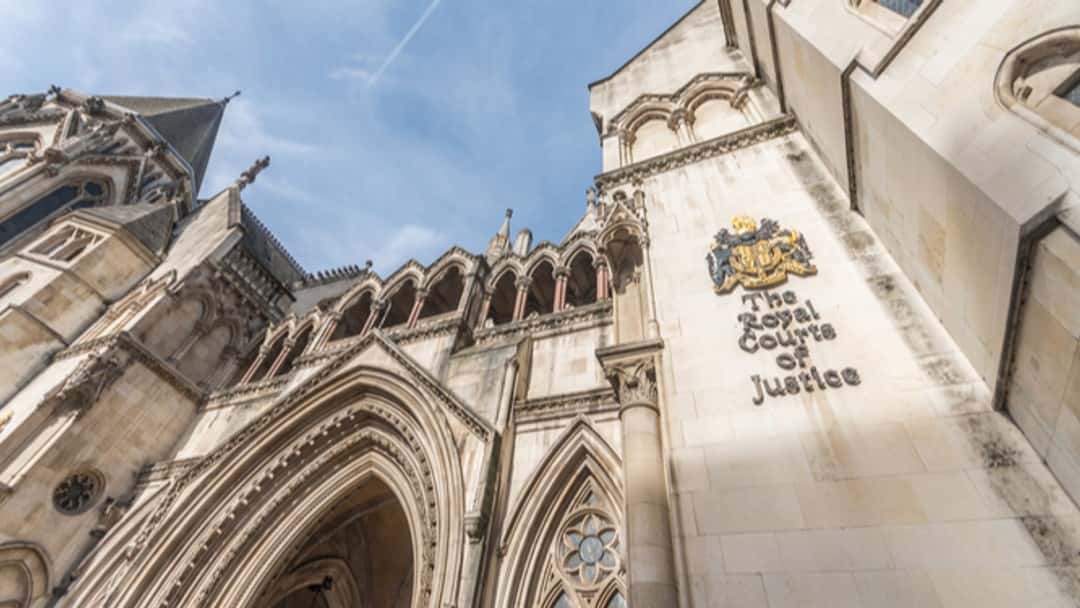
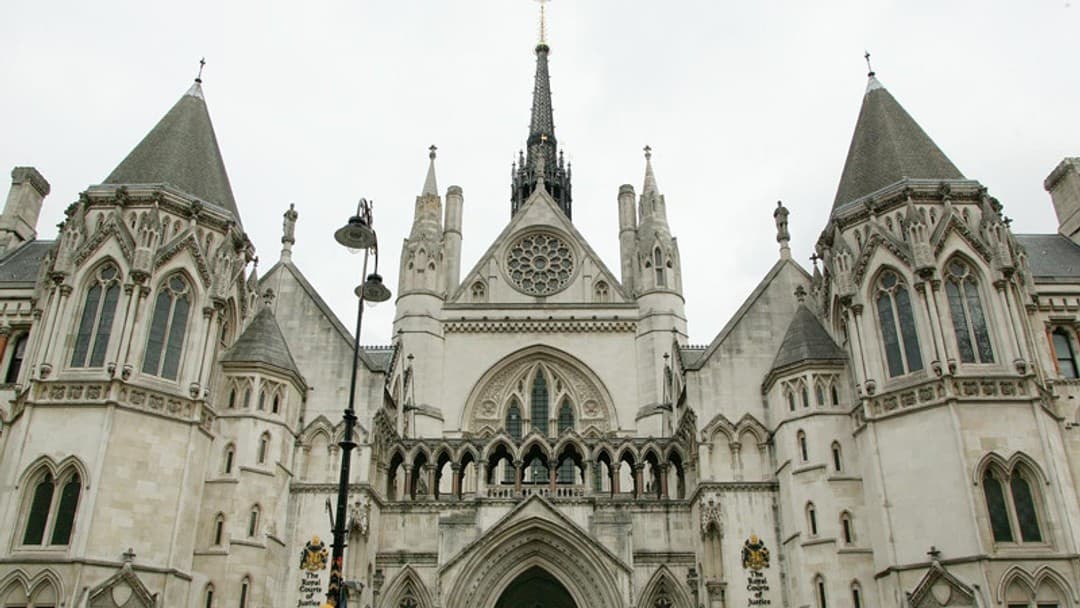
The High Court has dismissed an appeal by Navjot "Jo" Sidhu KC against his disbarment, following findings of professional misconduct of a sexual nature during a mini-pupillage in 2018. The judgement, handed down by Mr Justice Choudhury on 13 January 2026, provides important clarification on the assessment of sanctions in cases involving sexual misconduct at the Bar.
Sidhu KC, a successful criminal silk who had served in prominent positions including Chair of the Criminal Bar Association, invited a female mini-pupil to his hotel room ostensibly to discuss a case. Despite her repeated requests to leave, he insisted she stay overnight and subsequently initiated sexual contact. The Bar Tribunals and Adjudication Service found three charges proved, concluding the conduct fell within the "upper range" of seriousness under the BTAS Guidance on Sanctions.
The tribunal identified numerous culpability and harm factors, including that the misconduct took place in a professional context, was sexually motivated, involved a breach of trust, and occurred where there was significant disparity in seniority. Whilst the tribunal could not be sure to the criminal standard that the sexual activity was "unwanted", it found the conduct was inappropriate and that Sidhu knew or ought to have known this.
On appeal, Sidhu challenged the sanction as disproportionate, arguing the tribunal had wrongly assessed the seriousness of the misconduct and failed to give adequate weight to mitigating factors including his previous good character and substantial contribution to the profession over three decades.
The High Court rejected all four grounds of appeal. On the assessment of seriousness, Choudhury J held that the tribunal was entitled to conclude that culpability and harm were "significant" based on the multiple applicable factors identified. The court emphasised that sexual misconduct "seriously undermines public trust and confidence in the Bar" and that the harm was "particularly serious in view of the [appellant's] seniority and prominent position".
Addressing the consent issue, the judgement clarified that the tribunal's inability to be sure the sexual activity was unwanted did not require a finding that it was consensual. The criminal standard of proof meant there could be evidence suggesting the activity was unwanted without meeting the threshold of certainty required for that specific finding.
The court rejected comparisons with other disciplinary cases, noting that each must be assessed on its own facts under the applicable sanctions regime. The current BTAS Guidance reserves disbarment for cases where protecting the public or maintaining public confidence requires removal from the profession, and can be appropriate even for first offences in serious cases of sexual misconduct.
On the adequacy of reasons, Choudhury J held that the decision must be read as a whole. The tribunal had clearly explained that the misconduct caused significant harm to public confidence and was particularly serious given Sidhu's position. This was sufficient to enable the parties and public to understand the basis for the decision.
The appeal court emphasised the limited scope for interfering with specialist tribunals' evaluative decisions on sanction, which should only occur where there was an error of principle or the decision fell outside the bounds of what could properly be decided. The tribunal's conclusion that disbarment was the only just and proportionate sanction fell well within those bounds.
 Copyright & permissions