Law Commission to examine agricultural laws
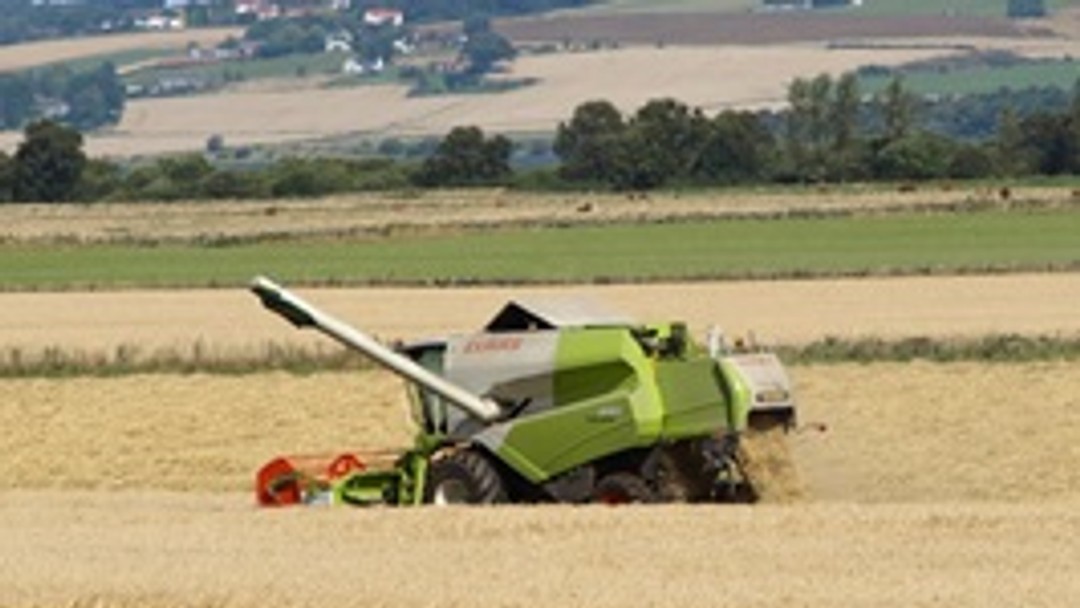
The Law Commission will simplify and modernise environmental legislation for farming businesses in England
The Law Commission of England and Wales has embarked on an important new project aimed at reviewing the environmental laws that pertain to agricultural businesses. This initiative has been prompted by the need to identify opportunities to simplify, modernise, and consolidate existing legislation, thereby making it more accessible and relevant to modern agricultural practices.
Agriculture is a cornerstone of England's economy, encompassing over two thirds of the country's land use. It is fundamental not only for food production but also for the overall wellbeing of the nation. However, agricultural businesses currently face a complex web of regulations intended to protect the environment, public health, and animal welfare. These laws, while necessary, often prove to be extensive, outdated, and at times duplicative, creating significant challenges for farmers.
The Department for Environment, Food and Rural Affairs (Defra) has specifically requested the Law Commission to undertake this review, focusing on the environmental laws that impact agricultural businesses. The aim is to streamline the existing framework while ensuring that environmental standards remain uncompromised. "This review is important because it will examine whether the environmental laws affecting farming are clear, coherent and fit for purpose, while maintaining existing protections," said Professor Alison Young, Commissioner for Public Law.
As part of the review process, the Commission is expected to explore potential legislative barriers that may hinder effective enforcement of environmental laws. Additionally, there will be an assessment of how much the current regulatory framework depends on prescriptive rules, as opposed to more flexible, outcome-based approaches. It's worth noting that the review will exclude areas already undergoing government scrutiny, such as certain water regulations, and will not advocate for any reduction in environmental standards.
This comprehensive evaluation promises to play a crucial role in shaping the future of agricultural legislation in England, ultimately benefiting farmers, consumers, and the environment alike.
 Copyright & permissions