Judicial review seeks police union rights
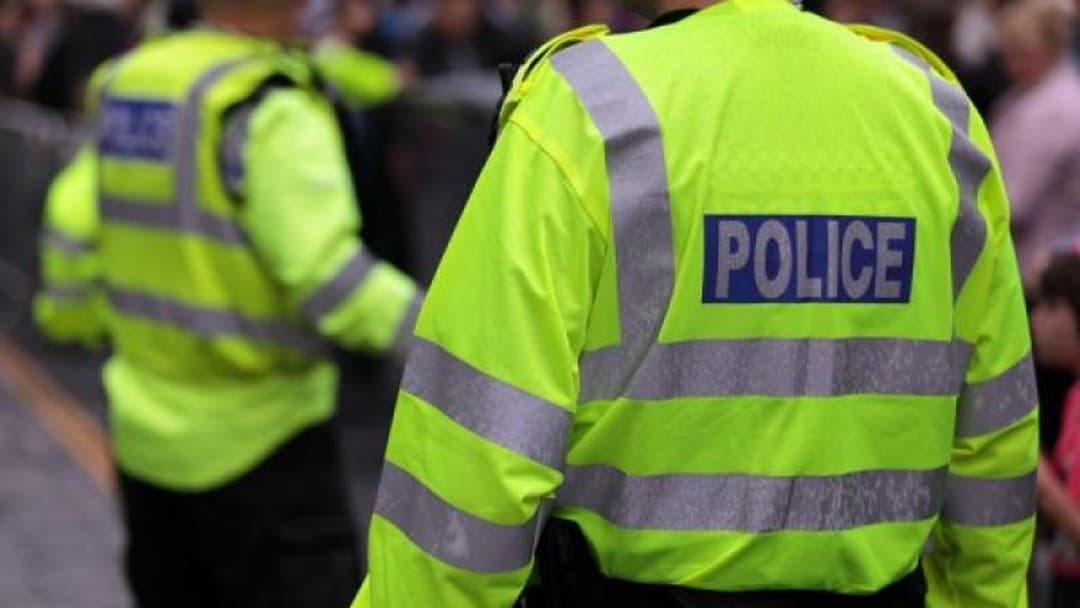
Two police officers are challenging a century-old law that prohibits them from joining trade unions
Two serving police officers have initiated judicial review proceedings in the High Court, contesting a legal provision that has prevented police officers from forming or becoming members of trade unions for over a hundred years. Lee Broadbent and Gemma Fox aim to challenge section 64 of the Police Act 1996, which restricts police officers to membership only in the statutory Police Federation of England and Wales (PFEW). Their legal action seeks a declaration from the High Court that the current legislation conflicts with Article 11 of the European Convention on Human Rights (ECHR), which guarantees freedom of association, including rights related to trade unions.
The roots of the restriction can be traced back to the Police Act of 1919, established in response to police strikes following World War One. Broadbent and Fox contend that this historical limitation is outdated and unjustifiable in contemporary society. Their legal team, Leigh Day, previously sent a Pre-Action Protocol letter to the Home Secretary, indicating their intent to pursue a judicial review if the government failed to amend section 64, which they believe inadequately represents officers' interests.
In a response dated 29 August 2025, the Home Secretary acknowledged that section 64 does interfere with officers' Article 11 rights but described this interference as "limited," arguing that allowing union membership could compromise the political neutrality that is essential for policing.
Broadbent and Fox have now formally served proceedings to obtain permission for their review and to declare that section 64 breaches Article 11 of the ECHR. Their legal pursuit follows a victorious employment tribunal decision in which Broadbent and others were found to have faced discrimination by the PFEW while addressing issues concerning police pensions. This tribunal ruling exposed systemic issues within the federation, suggesting it is not an effective representative body for officers.
Represented by Leigh Day partners Mandy Bhattal and Jamie Beagent, as well as solicitor Ellie Fawcett, Broadbent highlighted the core of his case. He stated, “Legal arguments may use terms like ‘union’ and ‘unionisation’ to reflect legislative language, but at its core my case is about freedom of choice. This is not a trojan horse for securing a right to strike, nor an attempt to erode the political neutrality of the Office of Constable. It is simply a call for parity: that police officers be granted the same right to plural representation enjoyed by almost every other worker in the UK.”
Fox, who was PFEW’s Deputy National Secretary from 2022 to 2025, shared her insights, saying, “The second independent review into the Police Federation lays bare a culture that has caused real harm, particularly to female officers and representatives. As someone who has served within the federation, I have seen first-hand how these behaviours undermine trust and create an unsafe environment. Yet, as a serving officer, I have no choice but to pay subscriptions to an organisation that has been found to act in this way. This challenge is about restoring that choice - the ability for officers to seek representation that reflects their values and safeguards their wellbeing.”
Mandy Bhattal commented, “A blanket prohibition on police officer forming or joining a trade union is outdated and unjustifiable. There is no justifiable reason why police officers should be treated differently from firefighters, doctors, or prison staff, all of whom can unionise. The Home Secretary has already accepted that section 64 interferes with Article 11 rights. Our clients say that a total ban cannot be justified.”
 Copyright & permissions