Hereditary Peers Bill revolutionises House of Lords
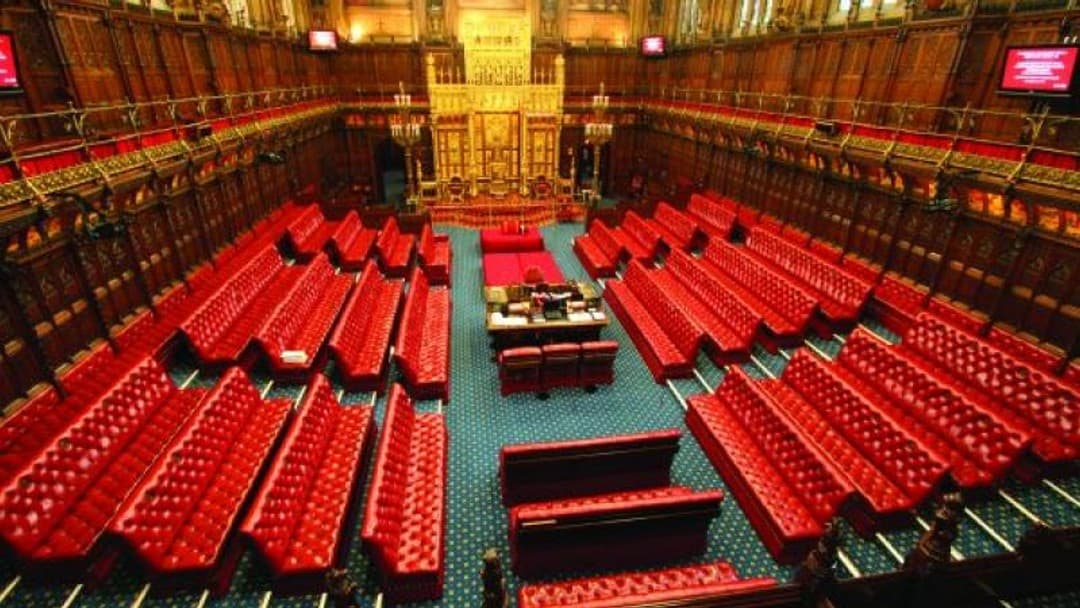
The Hereditary Peers Bill has passed, marking a significant shift in UK democracy and parliamentary reform
In a landmark move for UK democracy, the Hereditary Peers Bill has passed in the House of Lords, signalling one of the most significant reforms Parliament has seen in a generation. This legislation ends the right of hereditary peers to sit and vote in the House of Lords, fully delivering on a key manifesto commitment of the current Government. The decision to remove hereditary peerages completes a process that began over 25 years ago, aligning the UK with modern democratic principles found in numerous 21st-century democracies.
Baroness Smith, Leader of the House of Lords, emphasised the importance of this reform by stating that "nobody should sit in the House by virtue of an inherited title." She highlighted the vital role the Lords plays within the bicameral Parliament but reiterated that the hereditary principle must be abolished. The passage of the Bill marks a significant first step towards further reform in the Lords, promising additional changes related to members' retirement and participation rules.
Minister for the Cabinet Office, Nick Thomas-Symonds, echoed the sentiment, declaring that "hereditary peerages are an archaic and undemocratic principle," and expressed pride in fulfilling a crucial manifesto pledge of the government. He advocated for a Parliament where "talents are recognised and merit counts," distancing the institution from the imbalances typical of old boys’ networks, where age-old titles dictate power over the people's will.
Upon the Bill's implementation, which is expected at the end of the current parliamentary session, the House of Lords will shed its last remaining ties to hereditary peerage. The reform will eliminate the presence of the 92 excepted hereditary peers who held on as a temporary measure since the 1999 House of Lords Act, where over 600 hereditary peers were previously removed. This significant legislative change will pave the way for a more equitable parliamentary process, ensuring that the UK’s second chamber reflects contemporary democratic values by not reserving seats for individuals based solely on lineage. As the Government prepares for further reforms in the Lords, it reaffirms its commitment to a more functional and democratic parliament.
 Copyright & permissions

.jpg&w=3840&q=60)
-cropped-6au25meu.jpg&w=3840&q=60)




.JPEG&w=3840&q=60)