Helping Ireland's unmarried mothers tell their stories
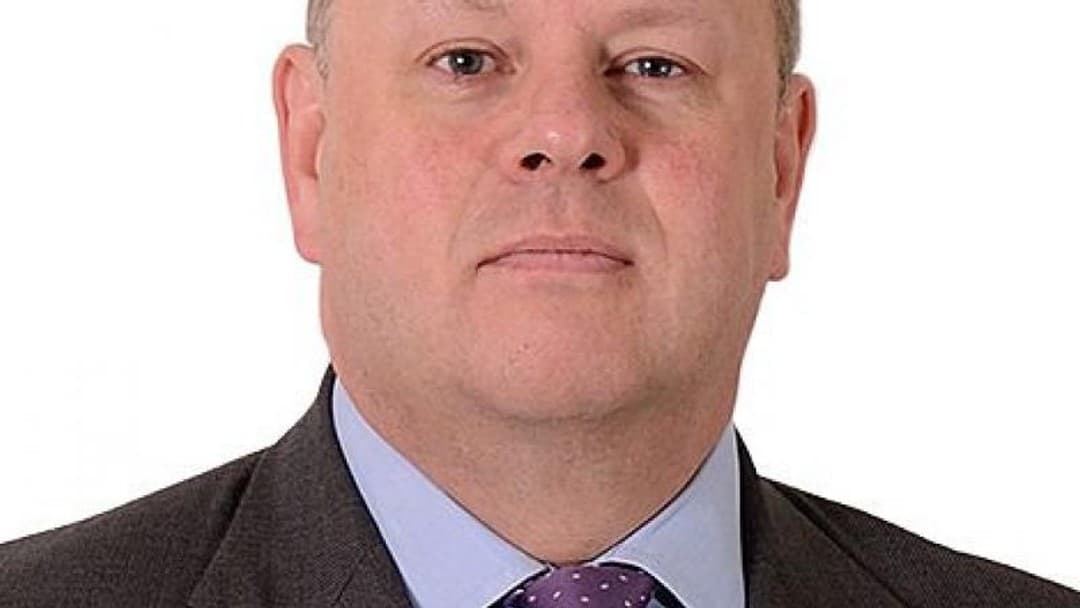
Rod Baker hopes that a new pro bono initiative supporting those affected by the Irish Mother and Baby Homes will allow for a comprehensive investigation of a painful chapter in the country's history
For many people, it was the hit film Philomena that brought the Irish Mother and Baby Homes to their attention. However, it was the discovery of the bodies of hundreds of babies in a septic tank at the Bon Secours Mother and Baby Home in Tuam, County Galway, which last year prompted the Irish government to establish a Commission of Investigation into the operation of the Mother and Baby Homes.
The Mother and Baby Homes operated throughout the 20th century and were places to which unmarried mothers were sent to have their children. They were generally run by religious orders and often involved the expectant mothers being kept in extremely harsh conditions and being made to work for their upkeep.
In multiple instances, having given birth, mothers had to remain in the home to work and pay for their release. Many of the babies born in the homes were sent for adoption, in numerous cases without the full and informed consent of the mother, and several hundred were adopted to the US, often in return for 'donations' to the homes.
Evidence database
A team of lawyers from Hogan Lovells is assisting the Adoption Rights Alliance (ARA) and Justice for Magdalenes Research (JFMR) in a project aimed at assisting people affected by the Mother and Baby Homes. This assistance, which is provided on a pro bono basis, involves helping individuals prepare statements setting out their experiences, which can then be sent to the Commission of Investigation.
The long-term ambition is to create a database of evidence that will enable ARA and JFMR to make collective submissions to the commission based on the evidence gathered.
These submissions will relate not only to the findings the commission should make about what happened in the homes and how they operated within the state system, but also to the recommendations the commission should make to improve the status of, and information available to, adopted people. For example, adopted people are not
entitled to a copy of their birth certificate (a document that
we might each think would be ours as of right) without first providing a statutory declaration that they will not try to contact their natural parents. Clann project
This project, known as Clann (the Irish word for family), was formally launched last week and, on 25 June 2016, as a member of the Hogan Lovells pro bono team, I attended an information day in Roscrea, County Tipperary, to explain the project to those people attending a memorial service the next day at Sean Ross Abbey, the Mother and Baby Home made infamous by the Philomena story.
It was pretty harrowing to hear so many people, both mothers and those who were adopted as children, telling their stories of the emotional pain and distress caused by their treatment in the homes, the impact of families being broken up, and the difficulties that they have experienced in tracing their children and natural parents - often with what appear to be deliberate obstacles put in their way by the religious orders.
 Copyright & permissions