Government launches crackdown on late payments
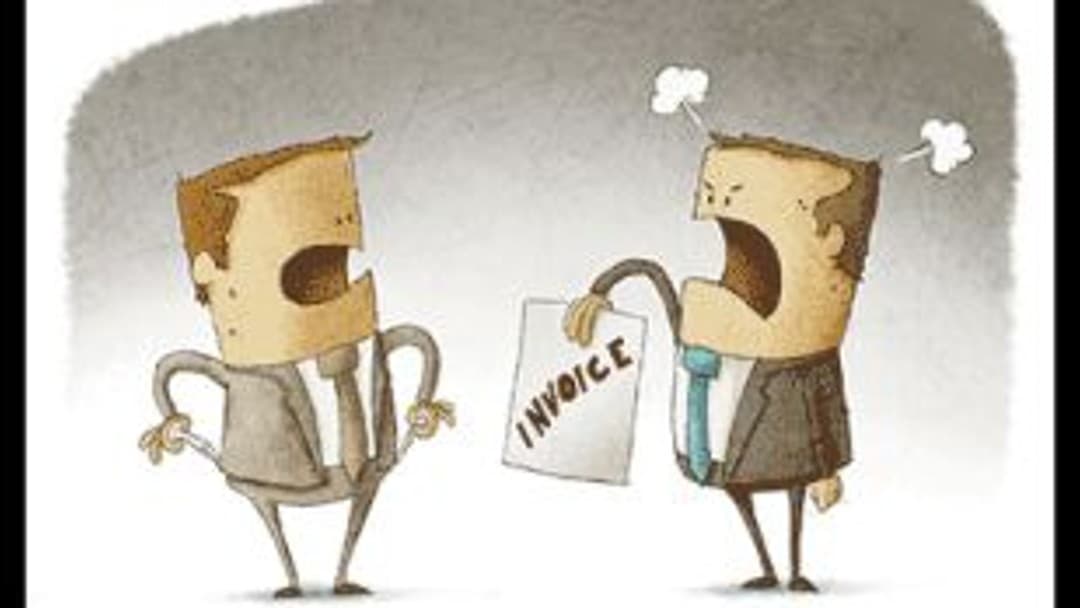
Ministers introduce a landmark Bill aimed at protecting small businesses by tackling late payments comprehensively
In a significant move to support small businesses across the UK, the government has introduced the Small Business Protections Bill to Parliament, marking the largest crackdown on late payments in over 25 years. This legislation seeks to establish the toughest late payment regime in the G7, providing small firms with new protections to ensure they are paid on time.
The Bill introduces a range of measures designed to empower small businesses. One of its key provisions is a strict 60-day cap on payment terms for large companies dealing with smaller suppliers. Additionally, it mandates interest on late payments, set at 8% above the Bank of England base rate, and bans the practice of retention payments in construction contracts, a longstanding issue for many in the sector.
Prime Minister Keir Starmer stated, "Small businesses are the backbone of our economy - run by people who take risks, create jobs and keep communities going. This government is firmly on their side." He emphasised the personal toll excessive late payments can take on business owners, compelling them to chase unpaid invoices rather than focus on their operational needs. Starmer added that the legislation would change the landscape for small businesses, providing them with the necessary assurance to invest, create jobs, and serve their communities effectively.
Business Secretary Peter Kyle echoed these sentiments when he said, "Costing the UK economy £11 billion every single year, late payments choke growth, cost jobs, and force too many good businesses to close. That ends today." Through this Bill, the government aims to create the strongest legal framework in the G7, allowing small businesses to grow and thrive without the burden of late payments.
Moreover, the Small Business Commissioner will receive enhanced powers to investigate payment practices, adjudicate disputes, and impose fines amounting to tens of millions on persistent late payers. This response is not only timely but crucial, given that late payments reportedly close 38 businesses every day in the UK, significantly impacting local economies.
Blair McDougall, Minister for Small Business and Economic Transformation, addressed concerns many business owners have expressed. "I’ve spoken to too many business owners who do everything right and are still left lying awake at night wondering how they’ll pay their staff or cover their bills because they haven’t been paid what they’re owed," he noted. The introduction of the Bill aims to restore fairness and security for small business owners, enabling them to concentrate on their core operations.
The Federation of Small Businesses (FSB) has been actively involved in shaping this legislation. FSB Policy Chair Tina McKenzie remarked, "Tackling late payment is one of the biggest things the government can do to help small businesses grow." She praised the government's efforts in listening to small firms’ concerns and making their voices heard in the legislation.
In addition to the provisions aimed specifically at addressing late payments, this Bill fits within a broader framework of support for small businesses. This includes ongoing initiatives designed to alleviate pressures stemming from high inflation and bureaucracy while boosting access to finance, such as cutting costs for working families and introducing new incentives for hiring apprentices.
With the introduction of this landmark Bill, the government is taking a definitive step to ensure that small businesses receive the support they need, indicating a firm commitment to bolstering the UK’s economic backbone.
 Copyright & permissions







-cropped-fylnt739.jpg&w=3840&q=60)