Government acts to combat waste crime
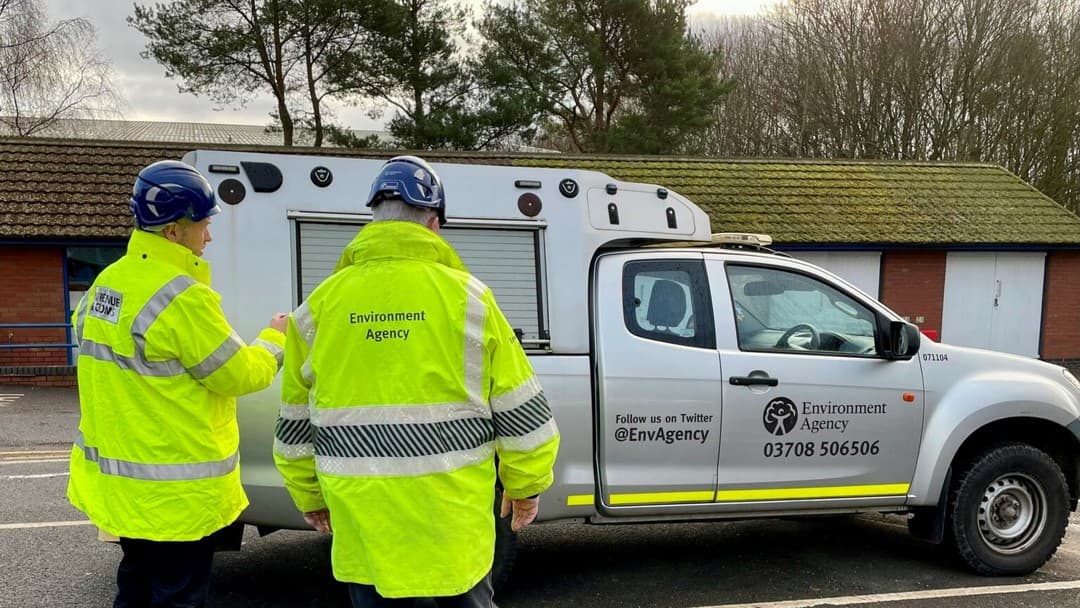
The government is set to empower environment officers with police-style powers to effectively tackle waste criminals
Waste criminals in the UK may soon face stricter repercussions as the government unveils plans to grant environment officers police-style powers. In a bid to combat illegal waste practices, initiatives under the Police and Criminal Evidence Act (PACE) and the Proceeds of Crime Act 2002 (POCA) are being expanded to the Environment Agency. This approach aims to allow officers to intervene earlier, bringing more offenders to justice and disrupting the financial operations of organised crime gangs.
The impending policy change signifies that waste crime is being prioritised as a considerable challenge akin to other serious organised offences. The government’s upcoming ‘Waste Crime Action Plan’ is expected to detail further measures to tackle various waste-related crimes, such as fly-tipping and managing large illegal dumping sites.
Environment Secretary Emma Reynolds expressed her concerns, saying, “Waste crime is a disgrace. It blights our countryside and communities, damaging our environment and economy.” Under the new powers, Reynolds affirmed the government’s commitment to swift action against those who violate waste laws.
The Chief Executive of the Environment Agency, Philip Duffy, underlined the agency’s intensified efforts, stating, “Waste crime causes misery across communities, and we have significantly stepped up our response to it already. But we are not standing still.” He further highlighted the importance of collaboration with police and local government while appealing to the public for vigilance, indicating that community involvement through reporting mechanisms is crucial.
Crime and Policing Minister Sarah Jones added to the conversation, asserting, “Fly tipping is an attack on our countryside, our communities, and the environment we all share.” She emphasised the government's intent to equip environment officers with the necessary authority to confront these “reckless criminals.”
Currently, the Joint Unit for Waste Crime (JUWC) has brought together several organisations, increasing its workforce to 20 specialists. The unit has already achieved significant results, including 122 prosecutions and shutting down over 1,200 illegal waste sites from July 2024 to the end of 2025.
With a growing recognition that waste crime negatively impacts the economy by £1 billion annually, the new legislation could potentially impose sentences of up to five years for those caught involved in illegal waste transport and handling. As the government prepares to implement these measures, it remains clear that the stance is in favour of law-abiding citizens who deserve clean and safe communities without the blight of waste crime.
 Copyright & permissions

.jpg&w=3840&q=60)
-cropped-6au25meu.jpg&w=3840&q=60)




.JPEG&w=3840&q=60)