Giles v Secretary of State: written representations, highway safety and traveller site enforcement
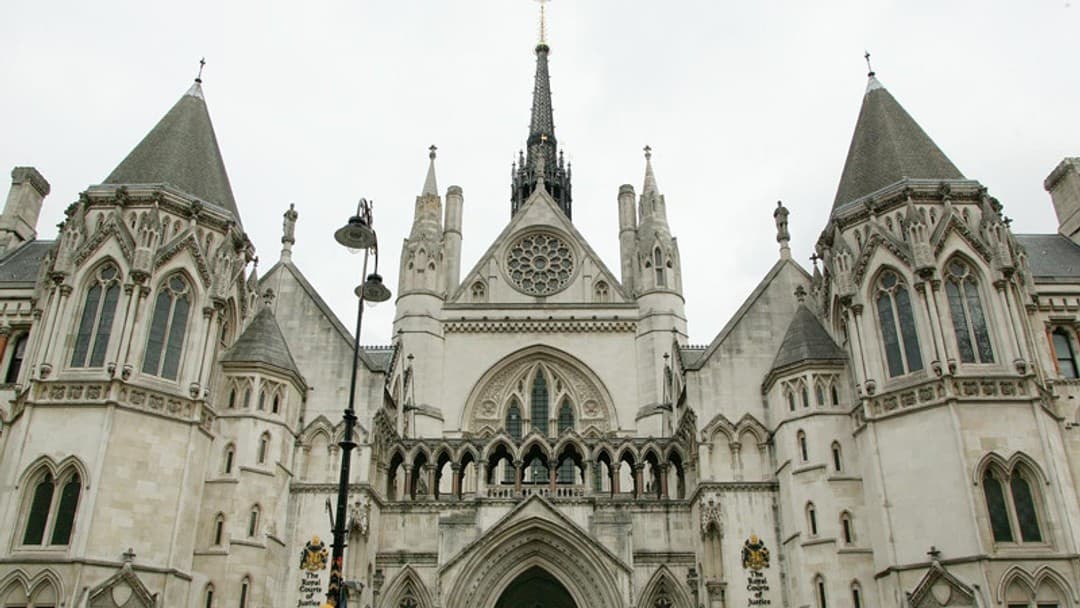
Traveller site appeals dismissed where visibility splay land lay outside applicants' control.
The High Court has dismissed a statutory review and application for permission to appeal against a planning inspector's decision refusing retrospective planning permission and upholding an enforcement notice in respect of an eleven-pitch gypsy and traveller site at Kayte Lane, Southam, Cheltenham.
In Ruben Giles & Ors v Secretary of State for Housing, Communities and Local Government & Anor [2026] EWHC 1062 (Admin), HHJ Karen Walden-Smith, sitting as a Judge of the High Court, rejected all four grounds of challenge advanced on behalf of the claimants, finding each to be unarguable.
Tewkesbury Borough Council had refused planning permission in November 2023 on grounds including Green Belt policy, highway safety, landscape harm, residential amenity and insufficient biodiversity information. Development had proceeded without permission, prompting the service of an enforcement notice in July 2024 requiring cessation of use and removal of all structures and materials within twelve months. The claimants appealed both the refusal and the enforcement notice.
Written representations procedure
The claimants had initially sought a public inquiry, citing the need for cross-examination on need, highway safety, traveller status and personal circumstances. Following a case management conference, the planning inspectorate varied the procedure to written representations. The claimants did not pursue judicial review at that point; their agents subsequently confirmed agreement to the written procedure, noting it was not ideal given their clients' difficulties with reading and writing.
The judge held that a challenge to the mode of appeal must be brought by judicial review at the time the procedural decision is made, not raised later in a section 288 statutory review or section 289 appeal. Relying on Bluebell Cemetery Limited v SSCLG, Westerleigh Group Limited v SSCLG and Connors v SSCLG, the court confirmed that the mode of appeal falls outside the scope of section 288 of the Town and Country Planning Act 1990. The procedural decision had in any event been rationally made, with the primary disputes — need, status and Green Belt designation — having been resolved in the Statement of Common Ground by April 2025.
Highway safety and Grampian conditions
The inspector found that the required visibility splay to the south could not be achieved within land owned or controlled by the claimants, and declined to impose a planning condition. The claimants argued this was unlawful, contending the inspector should have considered requiring a legal easement or imposing a negatively worded Grampian condition. A post-decision witness statement was filed suggesting the claimants would have approached the neighbouring landowner had they been asked.
The court was unpersuaded. The land ownership issue was evident from the inspector's site visit and the parties' own evidence. Tewkesbury BC had made clear in its statement of case that the highways authority considered the required splays unachievable within the appellants' land or the public highway. The claimants' addendum statement had addressed the issue, and highway safety had been a central and well-known point throughout. Citing Swindon BC v SSLUHC and West v First Secretary of State, the judge held that inspectors are entitled to decide on the basis of the evidence before them, and that no exceptional circumstances arose requiring the inspector to seek further information or restore oral proceedings.
ECHR and equality duty
The judge found no breach of Articles 6 or 8 of the ECHR. The inspector had expressly acknowledged the Article 8 interference that dismissal would occasion, concluding that refusal was proportionate given the severe highway safety risk and harm to the countryside and biodiversity. The procedural safeguards had been adequate and the claimants had been able to submit whatever evidence they chose.
The alleged breach of the public sector equality duty under section 149 of the Equality Act 2010 was also rejected, the court noting the inspector had plainly been aware of the duty and acted consistently with it.
The section 288 claim and the section 289 application for permission to appeal were both dismissed. Costs were reserved pending short written submissions.
 Copyright & permissions
.png&w=3840&q=60)








.jpg&w=3840&q=60)