
Everybody matters in the criminal justice system
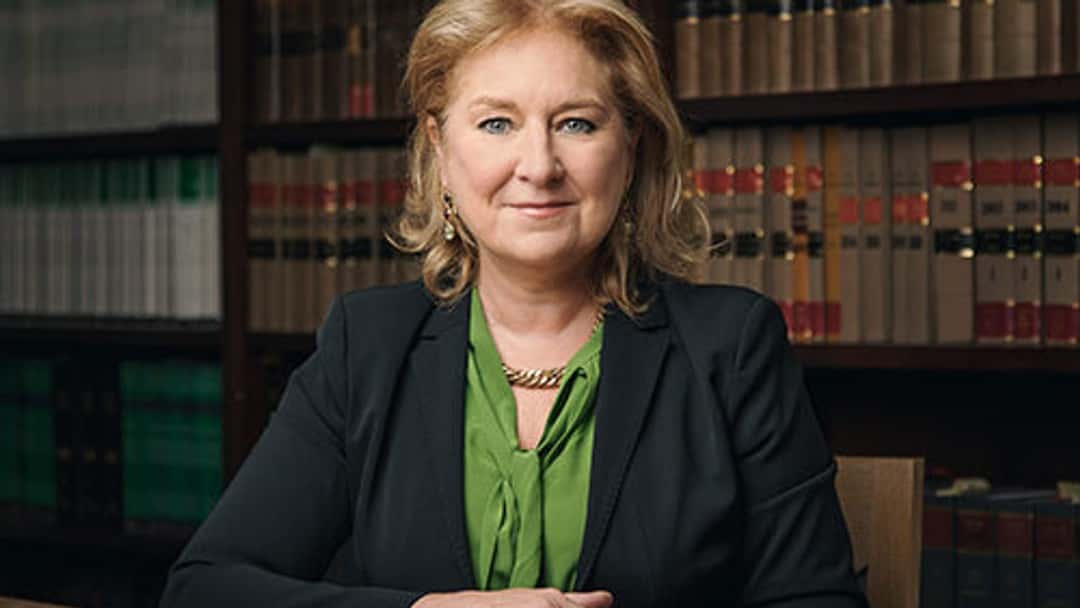
By Tim Kiely
Supporting vulnerable court users demands more than legal knowledge; it requires patience, adaptability and fundamentally humane advocacy
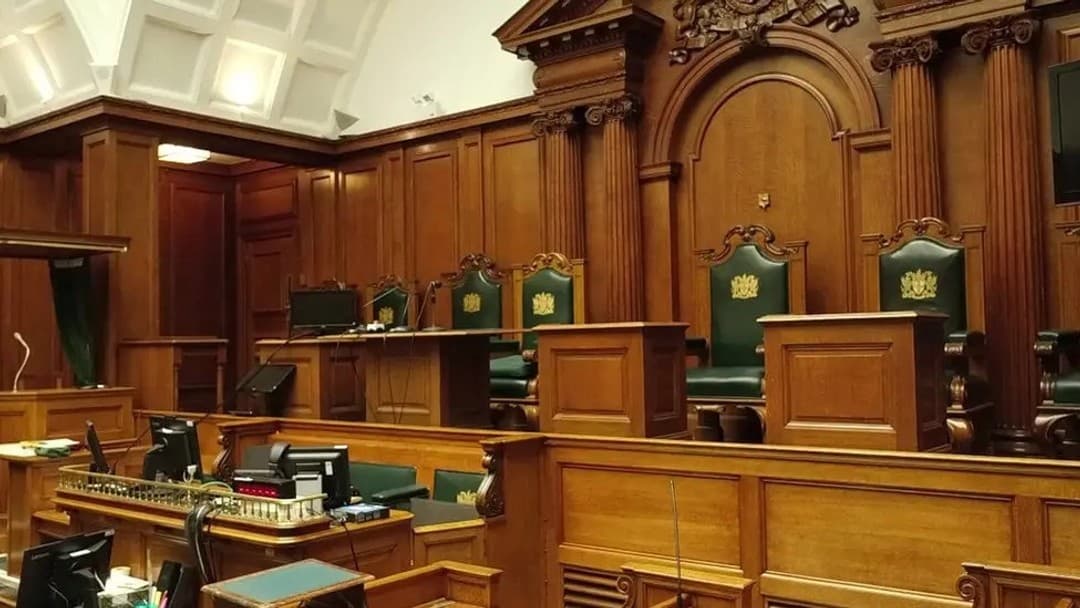
When I was still relatively newly qualified as a barrister, a teenage client of mine with numerous behavioural issues stormed out of the witness box at Highbury Corner Youth Court in the middle of giving her evidence, after she was asked a question in cross-examination that she found especially vexing.
It then fell to me to beg forgiveness of the bench, follow my client out of court and half-coax half-berate her to master her feelings, make the most of the ground we had covered up to now and get back into court to finish giving her evidence.
I don’t think it was down to any particular skill of mine that I was able to persuade her to return, nor that ultimately she was acquitted of the matters against her. Looking back on it, there was a great deal I would do differently, and could definitely have done better by that client in other situations (it was not to be our last meeting). But it does illustrate powerfully one of the more prevalent themes of my legal career as it has developed since.
There’s a reason why, whenever I am called on to describe my legal career, I make note of the fact that my practice often involves dealing with vulnerable witnesses and defendants.
In one sense, I am hardly unique. Everyone coming through the criminal legal system is probably someone that a barrister only gets to see on their worst days, especially if they are accused of committing an offence. In the case of some witnesses and defendants their needs can be particularly acute and challenging.
I have dealt with witnesses who are neurodivergent; who have profound mental or cognitive health issues which affect their ability to understand what is happening or to give evidence; whose identities mean they are marginalised in various ways, and whose marginalisation is then reinforced by their encounters with the law; or who have come from situations of trauma and difficulty which, in some cases, I can only begin to imagine.
Often, vulnerabilities appear in a legal context in ways that are unappealing. To be blunt, someone who is at the end of their tether for a host of other reasons is unlikely to be on their best behaviour when they are subject to the additional stresses of being in court.
As the advocate who must represent their interests, or help them present their evidence, this often means that you arrive at court with a mountain to climb, quite apart from the need to master your brief.
Happily, this is an area of the law in which there have been considerable strides, particularly since 2011 when the Advocacy Training Council (now the Inns of Court College of Advocacy) published their report ‘Raising the Bar’, arguing for an evidence-based approach to training barristers so that they could ensure that vulnerable users of the courts received the best possible advice and representation.
The ICCA have since developed and disseminated their ‘Advocacy and the Vulnerable’ course, which I completed shortly after finishing my pupillage. From that foundation and the series of toolkits made available through it (and similar tools available through the ), I know that I and many barristers have ensured that our clients and witnesses receive a greatly improved standard of service.
 Copyright & permissions