

DailyGobble Inc v Jain: costs consequences of a void corporation's letter of request
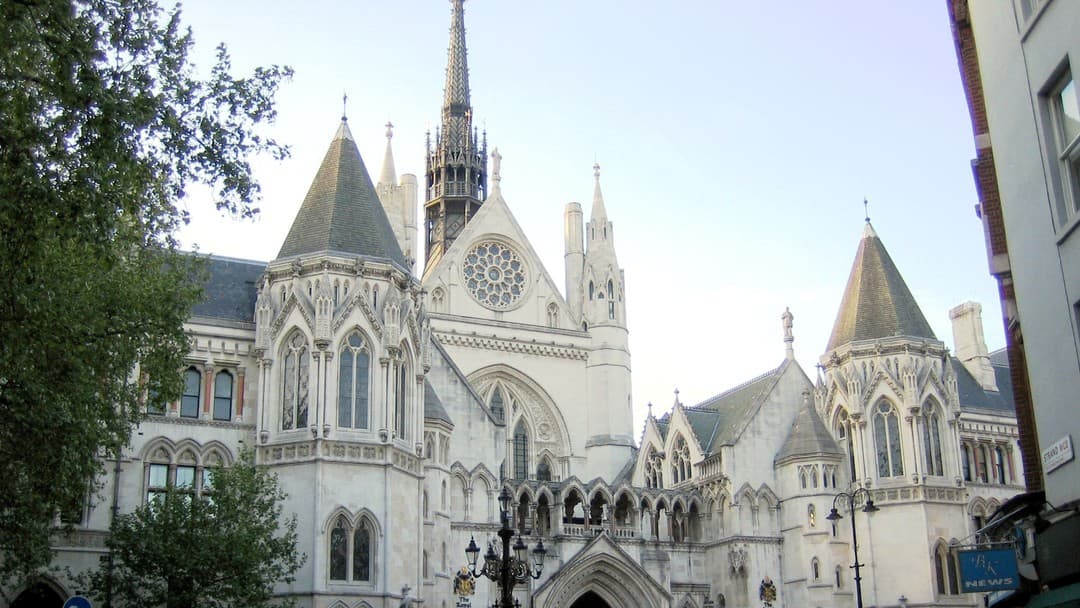
When a plaintiff's lapsed Delaware registration unravels its own evidence-gathering.
A High Court costs ruling handed down on 30 March 2026 offers a pointed reminder of the risks that flow from a plaintiff's failure to maintain corporate good standing — not only in its home jurisdiction, but in any ancillary foreign proceedings it has set in motion.
DailyGobble Inc, a Delaware-incorporated company, had brought civil proceedings in the Superior Court of California against Amin Jain, Alliance Group Ventures LLC and others, alleging fraudulent misrepresentation and insider trading in connection with the sale of shares in a company called Bridg. Pursuant to those proceedings, Judge Randolf M. Hammock issued a Letter of Request under the Hague Convention, and on 8 December 2025 Senior Master Cook made an order giving effect to it, scheduling an examination of Anshu Jain — the first defendant's sister, who allegedly received around $4.6 million from the Bridg transaction — as a non-party witness.
The order was subsequently varied by consent, fixing disclosure for 5 February 2026 and examination for 9 February 2026. Then came the complication that unravelled the timetable entirely.
On 3 February 2026, it emerged that DailyGobble had not paid its Delaware franchise taxes and was a void corporation — a status it had held not merely at the point of examination, but when the US proceedings were commenced and when the Letter of Request was issued. When the US defendants raised this before Judge Hammock on 4 February, the trial date of 2 March 2026 was vacated, and the defendants indicated they intended to file motions on limitation grounds. The defect was cured by certificate of revival on 5 February, but the surrounding uncertainty had already set events in motion in England.
Ms Jain's solicitors, Enyo Law, sought a short extension and then, when DailyGobble's English solicitors Collyer Bristow declined to consent to a stay, applied formally for one. Meanwhile, Collyer Bristow pressed ahead with examination arrangements. When no court direction materialised in time — Senior Master Cook noted he could not respond until 16:17 on 9 February, given other commitments — Ms Jain did not attend. The examiner duly certified non-attendance under CPR 34.10(1). DailyGobble then filed a CPR 34.10(2) application to compel attendance, seeking indemnity costs of both applications and the wasted examination costs.
Senior Master Cook declined to make any such order. On the contrary, he ordered DailyGobble to pay Ms Jain's costs of both the stay application and the CPR 34.10 application, albeit on the standard rather than indemnity basis, and held that the wasted examiner, videographer and stenographer costs — incurred because DailyGobble pressed ahead regardless — should also fall on the applicant.
The Senior Master was unpersuaded that Ms Jain had acted as a delinquent or non-cooperative witness. She had agreed to the varied order and had at no stage refused in principle to attend. The root cause of the failed examination was DailyGobble's own failure to maintain its corporate existence. It must have been apparent by the close of business on 6 February that the 9 February examination could not realistically proceed; pressing ahead regardless and then seeking costs against the witness was not conduct the court was willing to reward.
On indemnity costs, the Senior Master applied the Excelsior test — whether the conduct or particular circumstances were "outside the norm" — and declined to cross that threshold for either party. The rapidly developing factual picture, much of it occurring across time zones, introduced enough complexity to resist characterisation as egregious on either side.
The decision is a practical illustration of CPR 34.14(3), which places primary liability for examination costs on the party who obtained the order, and underscores that the court's discretion under CPR 44.2 will focus squarely on conduct when departing from that default. Where a plaintiff's own procedural failures create the conditions for a witness's non-attendance, cost-shifting against that witness is unlikely to follow.
 Copyright & permissions



__WEB.jpg&w=3840&q=60)








.jpg&w=3840&q=60)