Crown Court backlog reaches alarming levels

Minister Sackman addresses the unprecedented backlog in Crown Court cases, emphasizing urgency for effective reforms and investment
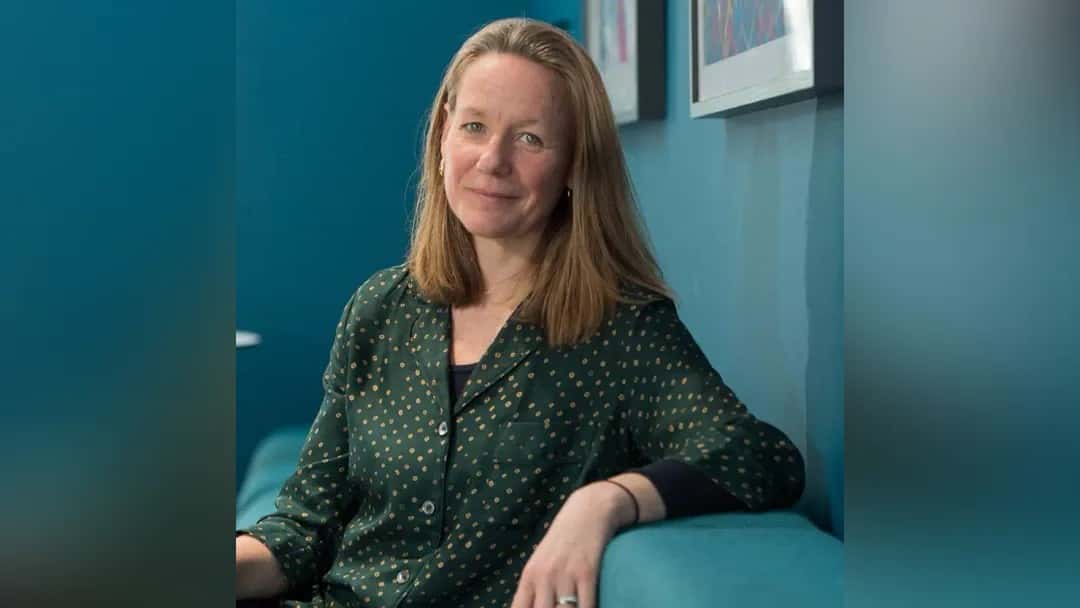
Minister for Courts and Legal Services, Sarah Sackman KC, has expressed grave concerns regarding the escalating backlog in Crown Court cases, which has now reached a staggering 80,203. This figure represents an 8% increase compared to the previous year, prompting urgent calls for action. In her statement, Sackman remarked, “With a record-breaking backlog of over 80,000 cases, the Crown Court is on the brink of collapse. The scale of this crisis has left victims bearing the brunt of years of neglect, facing devastating delays.”
The Minister highlighted the distressing reality that, on average, it now takes 429 days for rape cases to be completed from receipt at the Crown Court. This dire timeline underlines the pressing need for systemic reform to ensure victims are not left in prolonged uncertainty. In response to these alarming statistics, the Government is taking decisive steps to enhance the swift delivery of justice. It plans to invest up to £92 million more per year for criminal legal aid solicitor fees and an additional £34 million annually for criminal legal aid advocate fees. Furthermore, the financial limit on Crown Court sitting days has been removed, allowing the court to hear as many cases as possible.
In an effort to streamline the judicial process and allocate resources effectively, the Government has also increased magistrates' courts' sentencing powers from six to twelve months. This measure aims to reserve Crown Court time for the most serious and complex cases, simultaneously aiding in the reduction of the backlog. However, the demand for justice continues to rise, and even maintaining record levels of sitting will not suffice to eliminate the outstanding caseload.
Sackman acknowledged that comprehensive strategies are essential to counteract this crisis. “Only by pulling every lever we have, investment, reform and efficiency, can we turn the tide on the backlog and begin to deliver justice for victims,” she stated. While emphasising the importance of the right to a fair trial, Sackman noted that there is no inherent right to trial by jury, emphasizing that over 90% of criminal cases are already adjudicated fairly by magistrates without a jury. “This is not a radical departure from existing practice. In our magistrates’ courts, District Judges already determine guilt sitting alone in thousands of similar cases every year,” she concluded. The call for immediate reforms has become more pressing than ever as the Crown Court navigates this unprecedented crisis.
 Copyright & permissions



.jpg&w=3840&q=60)