Councillor in fresh debt controversy

A Cornwall councillor faces scrutiny over her company facing £300,000 unpaid debt proceedings amid past racism claims
A Cornwall councillor, Pauline Giles, previously resigned from the Conservative Party due to a racism controversy, is now under fresh scrutiny after her community interest company, St Blazey Recycle Reuse CIC, faced winding-up proceedings. The litigation firm Helix Law, representing the landlord, has taken action for alleged non-payment of rent for over four years, amounting to approximately £300,000. Alex Cook, Senior Partner at Helix Law, emphasised that “community interest companies are not exempt from basic commercial responsibilities, and creditors should not be left exposed while debts of this scale are ignored.”
Since its incorporation in 2018, the company has been accused of failing to pay rent from March 2020 to July 2024 while appearing to have sufficient funds to cover the costs. Although the company originally paid rent from its inception, it allegedly continued to occupy the premises without fulfilling its financial obligations after March 2020, racking up arrears exceeding £237,000, despite filing accounts showing a cash balance of £226,783.
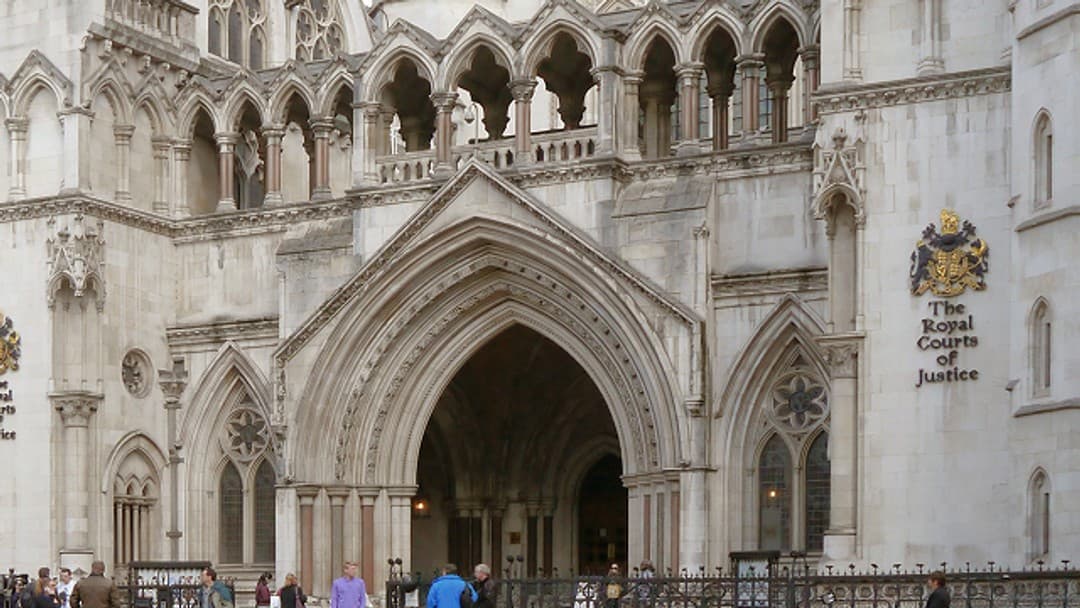
Helix Law initiated recovery efforts in July 2025, leading to a current estimate of total debts nearing £300,000, which includes interest. Ms Giles, who serves as a Conservative councillor for Cornwall Council since 2017, has denied contractual liability. She has challenged the claim with a counterclaim, which Helix Law has characterised as vexatious. The statutory demand for payment was served in October 2025, followed by a winding-up petition in December, with a court hearing scheduled for February 3.
The event has drawn attention to Ms Giles's controversial past, including her resignation as chair of Cornwall Council after making racially insensitive comments regarding “young black males flooding our country.” While not directly connected to the current financial problems, this context frames the public perception of the case. Alex noted, “rather than ensuring creditors were paid, the company appears to have been allowed to drift towards insolvency,” stressing the need for clarity on the company’s financial dealings and the whereabouts of its funds.
 Copyright & permissions