Be merry, not risky this Christmas
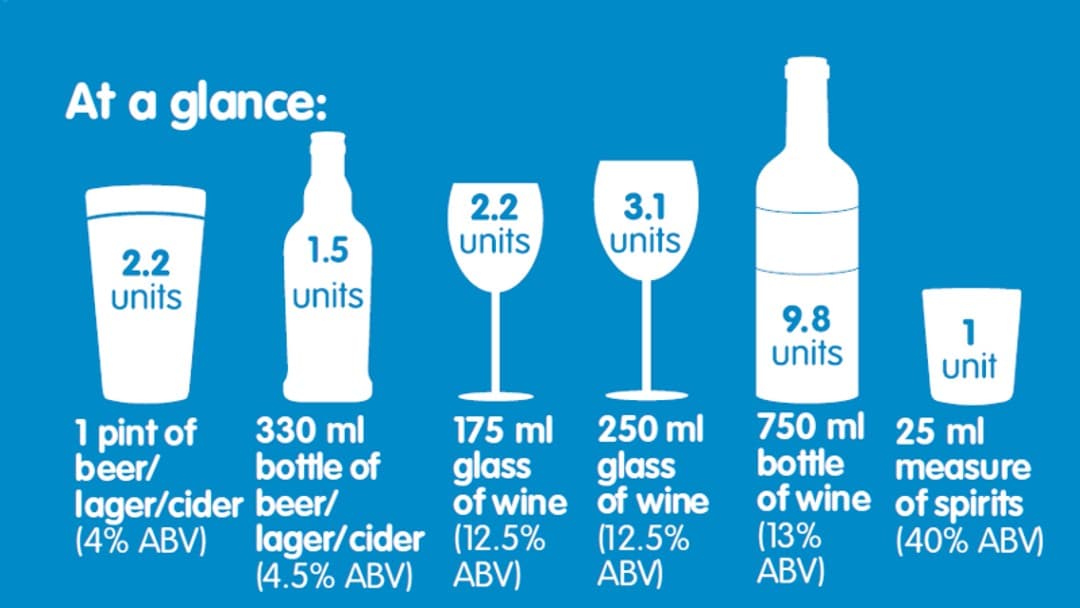
As festive celebrations begin, the MHRA warns against mixing medicines with alcohol to ensure safety
With Christmas approaching, the Medicines and Healthcare products Regulatory Agency (MHRA) is urging the public to be mindful of the hidden dangers associated with combining medicines and alcohol. During this festive season, when socialising often entails consuming both seasonal drinks and various over-the-counter medications, the risk of experiencing harmful interactions becomes particularly pronounced. Many individuals rely on remedies for coughs, colds, and general winter ailments; however, the inadvertent mixing of these medicines with alcohol can have dangerous consequences.
Leigh Henderson from the MHRA’s Safety and Surveillance team noted “At this time of year, people are often taking more medicines – whether for colds, allergies or aches and pains – and may also be drinking more alcohol. The biggest safety risks often come from simple misunderstandings, including not realising that alcohol can interact with certain medicines. By taking a few easy precautions, you can keep yourself and your family safe this Christmas.”
To avoid festive mishaps, the MHRA advocates for five essential tips. Firstly, it is crucial not to mix medicines with alcohol, as even common over-the-counter medications can pose risks when combined with alcohol. This is especially concerning for those using medicines that induce drowsiness or impair coordination, as it can increase dizziness and the potential for accidents, not just while driving but also for those using mobility devices. The Agency recommends always consulting the Patient Information Leaflet or a pharmacist regarding the safety of combining alcohol and any medication.
Another important reminder is to avoid doubling up on paracetamol, as many cold and flu remedies already contain this common pain reliever. Taking additional doses can lead to accidental overdose, which can be serious. Additionally, the MHRA stresses the importance of not taking expired medicines, urging the public to discard any old or leftover prescriptions properly. Users should also pay close attention to the Patient Information Leaflet for guidance, as recommendations may have changed since the last time a medicine was used.
Lastly, sharing prescription medicines is strongly discouraged, as what might be effective and safe for one person can be harmful to another. The MHRA also advises individuals to report any side effects or safety issues related to medicines, vaccines, or medical devices through their Yellow Card scheme. Doing so contributes to ongoing monitoring of product safety, helping to protect others from potential harm.
For those needing medical advice when the GP is closed, NHS 111 is available for guidance. In emergencies, it is vital to call 999 or visit an A&E department.
 Copyright & permissions