Automated vehicles framework aims for safety
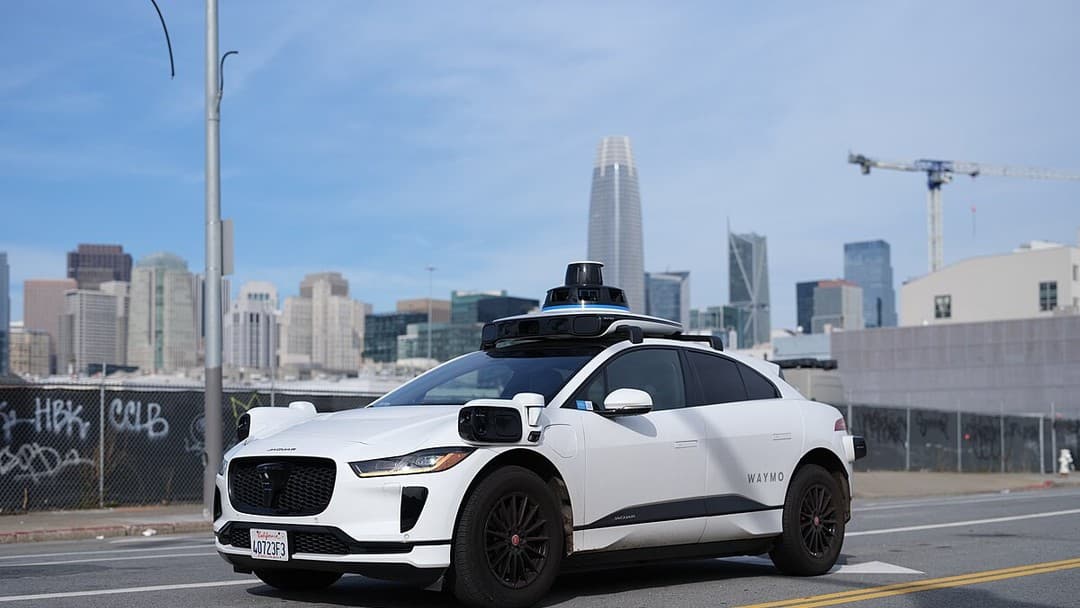
The government is developing regulations for automated vehicles to enhance safety, accessibility, and public safeguarding
Simon Lightwood MP has delivered a statement in the House of Commons about the government’s efforts to implement the Automated Vehicles (AV) Act 2024, which aims to drive economic growth through innovations in self-driving technology. He stressed that self-driving vehicles could revolutionise transport by making it "safer, greener and more reliable," while also enhancing opportunities for movement among people and goods across the UK. Central to this initiative are commitments to strengthen road safety, improve accessibility, and ensure the safeguarding of all individuals.
Lightwood highlighted that the AV Act represents one of the most comprehensive legal frameworks established for automated vehicles, centering on safety and clear legal responsibilities. The framework provides necessary regulatory powers to protect diverse road users—including pedestrians, cyclists, and those in vulnerable situations—through a robust, evidence-based safety model. He explained that this initiative is part of a broader government undertaking to leverage artificial intelligence (AI), where the AVs serve as a pivotal example of how technology can yield significant benefits to society, particularly in enabling safer travels and improving access to essential services for those with accessibility needs.
In line with this objective, the Department for Transport has published a call for evidence on developing the AV regulatory framework. This initiative aims to shape secondary legislation, guidance, and policies, ensuring regulations remain responsive to advancing technologies while prioritising public safety, data protection, and responsible operational practices. The call for evidence is organised into two main chapters: one addressing the conditions for getting AVs onto the road, and the other concerning their operation once they are already in use.
Chapter 1 encompasses critical topics such as vehicle type approval, which assesses technical safety for market entry, and authorisation processes that transfer legal responsibility during self-driving operations. The chapter also introduces concepts such as the User-in-charge (UIC) and operator licensing, alongside the necessary insurance adaptations distinct from conventional vehicle policies.
Chapter 2 focuses more on ongoing vehicle compliance—monitoring how well AVs adhere to their safety requirements during operation—as well as sanctions for non-compliance and incident investigation protocols, echoing the steps taken in aviation and rail sectors. It highlights the importance of cybersecurity measures that span the lifecycle of the vehicle.
Lightwood affirmed the open invitation for feedback, stating, "We seek views from a broad range of respondents – including road users, industry, academics, road safety experts, accessibility specialists, first responders, trade unions, and the wider public." The insights gathered will be instrumental in sculpting a regulatory framework that prioritises safety, accessibility, and public protection as automated vehicle technologies progress.
A copy of the detailed publication will be available in the libraries of both Houses and on GOV.UK, as part of an ongoing commitment to transparency and engagement with stakeholder perspectives.
 Copyright & permissions